Table of Contents
- How Each Card Is Funded
- Credit Card: Borrowed Funds
- Debit Card: Your Own Money
- Authorization and Settlement Processes
- Credit Card Authorization
- Debit Card Authorization
- Cost Structures and Fees
- Credit Card Fees
- Debit Card Fees
- Rewards, Perks, and Consumer Protections
- Rewards and Travel Benefits
- Debit Card Perks
- Fraud Protection
- Impact on Credit Scores
- Credit Card Activity
- Debit Card Activity
- Regulatory Landscape and Consumer Rights
- Credit Card Regulations
- Debit Card Regulations
- Choosing the Right Card for Specific Situations
- Everyday Groceries
- Large One‑Time Purchase (e.g., a new laptop)
- Travel Booking
- Emergency Cash Needs
- Future Trends and Emerging Technologies
When you pull out a plastic card at a checkout, the transaction seems simple: you tap, swipe, or insert, and the purchase is complete. Yet, hidden beneath that smooth action lies a complex web of financial mechanisms. Understanding the difference between credit card and debit card is essential for anyone who wants to manage money wisely, avoid unexpected fees, and leverage the benefits each tool offers.
Both cards share a familiar shape and often look identical, but their purposes diverge dramatically. A credit card lets you borrow money from a lender, while a debit card draws directly from your own bank account. This distinction influences everything from how interest is applied to the way fraud protection works. In this article we will walk through the origins, operational details, costs, and practical considerations that set these two payment methods apart, using clear examples and a narrative that follows a typical consumer’s journey.
Imagine a young professional named Maya who has just received her first set of cards after opening a checking account and applying for a credit line. Over the next few months, Maya will encounter situations that highlight each card’s strengths and weaknesses—from buying groceries to booking a flight. By following her story, we can see the real‑world implications of the technical differences we’ll discuss.
How Each Card Is Funded
The most fundamental distinction lies in the source of the money used for each transaction.
Credit Card: Borrowed Funds
- Issuer’s Credit Line: When Maya makes a purchase with her credit card, the issuing bank pays the merchant on her behalf. This creates a debt that Maya must repay, either in full or over time.
- Revolving Balance: If Maya chooses to carry a balance, interest accrues on the unpaid amount, much like a short‑term loan.
Debit Card: Your Own Money
- Linked Bank Account: A debit transaction draws directly from Maya’s checking account. The money must be available at the moment of purchase.
- No Debt Incurred: Since the funds are already hers, there is no interest or revolving balance to manage.
For Maya, the credit card offers flexibility when cash flow is tight, whereas the debit card ensures she stays within her budget because the balance cannot go negative (unless she opts into overdraft protection).
Authorization and Settlement Processes
Both cards require an authorization step, but the underlying flow differs.
Credit Card Authorization
When Maya swipes her credit card at a store, the merchant sends an authorization request to the card network (Visa, Mastercard, etc.). The network forwards the request to Maya’s issuing bank, which checks her credit limit and available credit. If approved, the bank reserves the amount, and the merchant receives a provisional approval code.
Debit Card Authorization
For a debit transaction, the request travels through the same network, but the issuing bank checks Maya’s checking account balance instead of a credit limit. If sufficient funds exist, the amount is earmarked and later debited from her account.
The timing of settlement also diverges. Credit card transactions typically settle within a few days, giving Maya a grace period before payment is due. Debit transactions settle almost immediately, reducing the window for any discrepancy.
Cost Structures and Fees
While both cards can carry fees, the types and impact of those fees vary.
Credit Card Fees
- Annual Fees: Some cards charge a yearly fee for premium benefits. Maya might find that the rewards outweigh the cost, a point explored in The Hidden Cost of Convenience article.
- Interest Charges: If Maya carries a balance, she pays interest based on the APR, which can be substantial.
- Late Payment Penalties: Missing a due date can trigger fees and raise her interest rate.
Debit Card Fees
- Overdraft Fees: If Maya opts into overdraft protection and spends more than her balance, she may incur a fee per incident.
- ATM Fees: Using out‑of‑network ATMs can result in surcharge fees from both the ATM operator and Maya’s bank.
- No Annual Fee: Most debit cards are free of annual charges, making them a low‑cost option for everyday spending.
Understanding these fee structures helps Maya decide when each card is appropriate. For example, she might reserve her credit card for large purchases that earn rewards, while using her debit card for routine expenses to avoid interest.
Rewards, Perks, and Consumer Protections
![Should You Start a Customer Incentive Program? [+ Examples]](https://blog.avaller.com/wp-content/uploads/2026/01/should-you-start-a-customer-incentive-program-examples-630x380.webp)
Credit cards are often marketed with enticing rewards programs, whereas debit cards typically offer fewer incentives.
Rewards and Travel Benefits
Maya’s credit card might offer points, cash back, or airline miles for every dollar spent. Accumulated points can be redeemed for travel, as described in the Unlock Free Skies guide. Some premium cards also provide airport lounge access, travel insurance, and purchase protection.
Debit Card Perks
While debit cards generally lack extensive rewards, some banks provide modest cash back or discounts on select merchants. The primary benefit remains immediate access to Maya’s own funds without the risk of debt.
Fraud Protection
- Credit Card Liability: Under the Fair Credit Billing Act, Maya’s liability for unauthorized charges is limited to $50, and many issuers waive even that.
- Debit Card Liability: The Electronic Fund Transfer Act caps liability at $50 if Maya reports the loss within two days, but the amount can rise to $500 or more if she delays reporting.
Because of these protections, Maya feels more comfortable using her credit card for online purchases, where the risk of fraud is higher.
Impact on Credit Scores
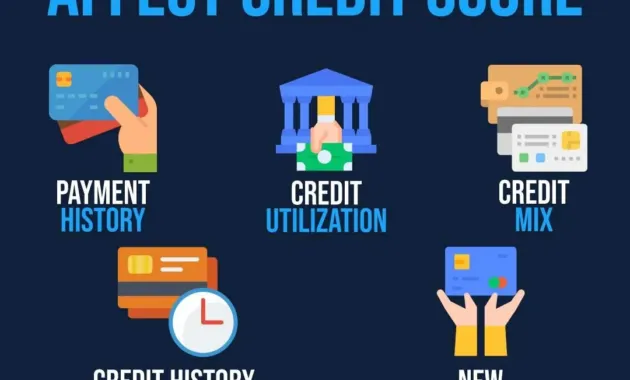
One of the most significant differences between the two cards is how they affect a consumer’s credit profile.
Credit Card Activity
Using a credit card responsibly—keeping utilization low and paying on time—can improve Maya’s credit score, which is crucial for future loans, mortgages, or even renting an apartment. Conversely, missed payments or high balances can damage her score.
Debit Card Activity
Since debit cards do not involve borrowing, they do not directly influence credit scores. However, some banks offer “reporting” services that treat debit usage as a form of credit, but these are rare and usually limited.
Maya decides to keep her credit utilization below 30% of her limit and pays the full balance each month to build a strong credit history while avoiding interest.
Regulatory Landscape and Consumer Rights
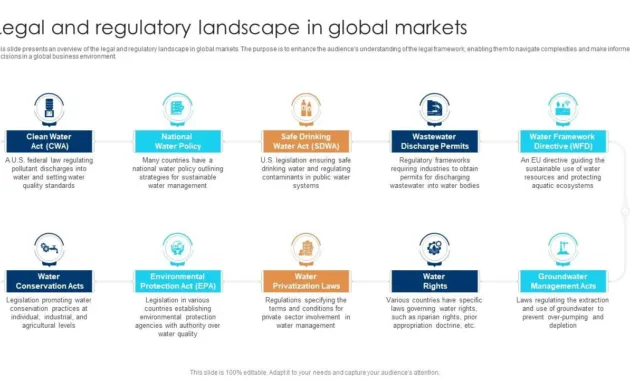
The legal frameworks governing credit and debit cards differ, shaping the rights and responsibilities of users like Maya.
Credit Card Regulations
- Truth in Lending Act (TILA): Requires clear disclosure of APR, fees, and terms.
- Card Act of 2009: Protects consumers from sudden interest rate hikes and imposes limits on fees.
Debit Card Regulations
- Electronic Fund Transfer Act (EFTA): Sets liability limits and mandates error resolution procedures.
- Regulation E: Provides detailed guidance on disclosure and consumer rights for debit transactions.
These regulations ensure Maya has recourse if a dispute arises, though the processes for credit and debit complaints differ in timing and documentation required.
Choosing the Right Card for Specific Situations
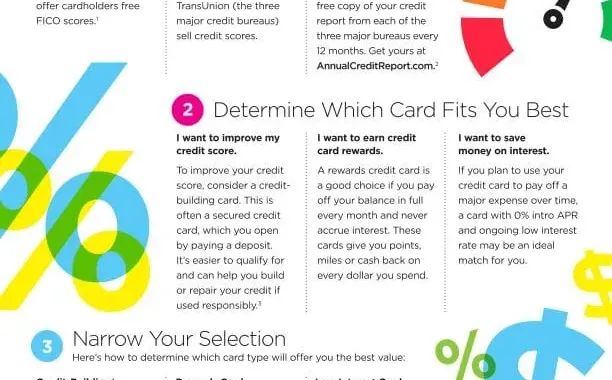
To illustrate practical decision‑making, consider several common scenarios Maya faces.
Everyday Groceries
Using a debit card keeps Maya within her cash flow, avoids interest, and simplifies budgeting. If her bank offers a modest cash‑back program, she can still earn a small reward.
Large One‑Time Purchase (e.g., a new laptop)
A credit card is advantageous here. Maya can benefit from purchase protection, extended warranty coverage, and the ability to pay over time if needed, provided she pays the balance before interest accrues.
Travel Booking
Credit cards often provide travel insurance, rental car collision damage waivers, and points that can be redeemed for flights. Maya’s credit card, as explained in The Hidden Mechanics of Your Plastic, also offers better fraud protection for international transactions.
Emergency Cash Needs
In a pinch, Maya can use her debit card at an ATM to withdraw cash instantly. Credit cards can also provide cash advances, but they usually come with high fees and immediate interest, making the debit option more cost‑effective.
Future Trends and Emerging Technologies

The line between credit and debit is blurring as digital wallets and “buy now, pay later” (BNPL) services rise. Companies are integrating real‑time credit assessments into payment apps, allowing users to switch between borrowing and using their own funds with a single tap. While these innovations promise convenience, they also introduce new considerations around data privacy and debt management.
For Maya, staying informed about how these technologies operate will be essential. She will need to monitor her spending across platforms to avoid unintentional debt accumulation, especially when BNPL options present themselves as “interest‑free” but carry hidden fees if payments are missed.
By the end of her first year of using both cards, Maya has developed a clear strategy: she reserves her credit card for high‑value, reward‑eligible purchases and emergencies that require borrowing power, while relying on her debit card for routine expenses and cash withdrawals. This balanced approach leverages the strengths of each card while mitigating their respective risks.
Understanding the core differences between credit cards and debit cards empowers consumers to make informed financial choices. Whether it’s building credit, maximizing rewards, or maintaining strict budget control, the decision hinges on personal circumstances and long‑term goals. As Maya’s experience shows, a thoughtful combination of both tools can provide flexibility, protection, and financial health.