
Table of Contents
- Understanding the Annual Fee
- How the Fee Is Calculated
- Who Pays the Fee?
- Benefits Tied to the Annual Fee
- Rewards Acceleration
- Travel Perks and Protections
- Statement Credits and Fees Waivers
- Weighing the Pros and Cons
- Pros
- Cons
- How to Evaluate Whether the Fee Is Worth It
- Step 1: List All Card Benefits
- Step 2: Calculate Your Annual Spend in Reward Categories
- Step 3: Add Up the Tangible Benefits
- Step 4: Factor in Intangible Benefits
- Step 5: Make a Decision
- Ways to Avoid or Reduce the Annual Fee
- Negotiate With the Issuer
- Leverage Introductory Offers
- Switch to a Lower‑Fee Card
- Earn Credits to Offset the Fee
- Utilize Reward Points to Cover the Fee
- Real‑World Example: A Cost‑Benefit Walkthrough
- Impact on Your Credit Profile
- Tips for Maximizing Value From an Annual‑Fee Card
When you first glance at a credit card offer, the annual fee often sits in the fine print, almost like an afterthought. Yet, that single number can dramatically affect the overall value you receive from the card. Understanding the annual fee on a credit card is essential before you swipe for the first time. This fee, typically charged once per year, is the price you pay for access to the card’s suite of features, rewards, and services.
For many consumers, the concept of paying a fee for something that seems free—credit—feels counterintuitive. After all, you can use a credit card without ever paying interest if you settle the balance in full each month. However, the annual fee is not an interest charge; it is a subscription-like cost that funds the card’s infrastructure, rewards program, and additional perks. In the following sections, we’ll unpack how the fee works, who pays it, and how you can decide if the cost aligns with your financial goals.
Throughout this narrative, we’ll treat the annual fee as a character in a larger financial story—a character that can either be a helpful ally or an unnecessary burden, depending on how you write its role in your personal finance plot. By the end, you’ll have a clear roadmap to assess whether the fee adds value or simply drains your wallet.
Understanding the Annual Fee
The annual fee is a fixed charge that appears on your credit card statement once every 12 months. It is not tied to your spending habits, balance, or credit utilization; instead, it reflects the card issuer’s cost of providing you with a specific set of benefits. Cards without an annual fee are often marketed as “no‑fee” or “free,” but they may come with more limited rewards or fewer premium services.
How the Fee Is Calculated
- Benefit Bundle Pricing: Issuers bundle rewards rates, travel credits, concierge services, and insurance protections into a package. The annual fee represents the cost of maintaining that bundle.
- Risk Management: Some cards target higher‑spending customers, which increases the issuer’s exposure to potential defaults. The fee helps offset that risk.
- Brand Positioning: Premium cards often carry a higher fee to signal exclusivity and attract affluent customers who value status.
Who Pays the Fee?
All cardholders with a fee‑bearing card are responsible for the payment, regardless of how much they use the card. The fee is typically charged automatically on the card’s anniversary date, and it appears as a separate line item on your billing statement. If you miss the payment, the issuer may assess a late fee, but the annual fee itself is not optional.
Benefits Tied to the Annual Fee
To judge the worth of an annual fee, you must first understand what you receive in return. Premium cards often bundle a variety of perks that can outweigh the cost when used strategically.
Rewards Acceleration
Many cards with an annual fee offer higher points‑per‑dollar rates on travel, dining, or groceries. For example, a card might grant 3 points per dollar on restaurants and 2 points on airfare, compared to the 1 point on standard cards. Over time, those accelerated points can translate into significant travel or cash‑back value.
Travel Perks and Protections
Annual‑fee cards frequently include airport lounge access, free checked bags, priority boarding, and travel insurance. These benefits can save frequent flyers hundreds of dollars each year. If you’re curious about the mechanics behind these perks, the article how a credit card really works offers a deep dive into the underlying structure of credit‑card rewards and protections.
Statement Credits and Fees Waivers
Some issuers provide annual statement credits for dining, rideshares, or streaming services. Others waive foreign transaction fees, which can be a boon for international travelers. These credits often offset the fee partially or fully if you utilize them regularly.
Weighing the Pros and Cons

Deciding whether to keep a card with an annual fee involves a cost‑benefit analysis that mirrors everyday budgeting decisions. Below is a balanced look at the advantages and drawbacks.
Pros
- Higher Reward Rates: Earn more points or cash back on categories you already spend in.
- Exclusive Access: Lounge memberships, elite status with hotels or airlines, and concierge services.
- Insurance Coverage: Purchase protection, travel accident insurance, and rental car collision coverage.
- Potential Credit Score Boost: Premium cards often come with higher credit limits, which can improve utilization ratios when managed responsibly.
Cons
- Upfront Cost: The fee is a fixed expense that must be paid regardless of usage.
- Opportunity Cost: Money spent on the fee could be allocated elsewhere, such as savings or investments.
- Complexity: Tracking whether you’re actually benefiting from the perks can be time‑consuming.
- Potential for Overspending: The lure of rewards may encourage higher spending, which could erode any net gain.
How to Evaluate Whether the Fee Is Worth It
To determine if an annual fee aligns with your financial story, follow a structured approach that mirrors the way you would assess any recurring expense.
Step 1: List All Card Benefits
Create a spreadsheet or note card that enumerates each perk—points rates, travel credits, lounge access, insurance, and any other feature. Assign an estimated monetary value to each based on your typical usage. For instance, if you fly twice a year and a lounge visit saves you $30 per trip, that’s $60 in value.
Step 2: Calculate Your Annual Spend in Reward Categories
Review your past 12 months of credit‑card statements to see how much you spent on categories that earn bonus points. Multiply those amounts by the extra points per dollar you receive versus a no‑fee card. Convert the points to cash value (e.g., 1 point = $0.01) to quantify the reward.
Step 3: Add Up the Tangible Benefits
Sum the estimated value of all perks, including statement credits, insurance coverage (if you would have purchased it separately), and any waived fees. Compare this total to the annual fee itself.
Step 4: Factor in Intangible Benefits
Intangibles such as status upgrades, travel convenience, or peace of mind from purchase protection are harder to quantify but may still influence your decision. Weigh these against your personal priorities.
Step 5: Make a Decision
If the combined tangible and intangible benefits exceed the fee by a comfortable margin—say, 20‑30 %—the card likely adds value. If the gap is narrow or negative, consider switching to a no‑fee alternative.
Ways to Avoid or Reduce the Annual Fee
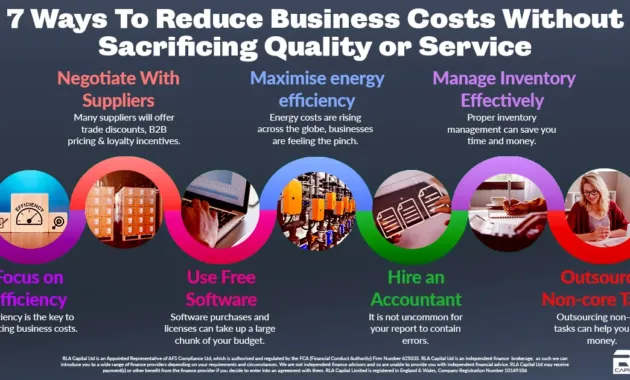
Even if a card’s benefits justify the fee, you may still want to lower the cost. Below are practical strategies that have helped many cardholders keep the perks while minimizing the expense.
Negotiate With the Issuer
Call the customer service line and ask if they can waive or reduce the fee. Often, issuers will offer a partial waiver or a statement credit in exchange for your continued loyalty, especially if you have a strong payment history.
Leverage Introductory Offers
Many premium cards waive the fee for the first year as a sign‑up incentive. Use that window to evaluate the card’s value without the fee, then decide whether to keep it.
Switch to a Lower‑Fee Card
If you find the fee outweighs the benefits, many issuers allow you to downgrade to a no‑fee version of the same card family. This preserves your credit history while eliminating the fee.
Earn Credits to Offset the Fee
Some cards offer annual statement credits that can be directed toward the fee itself. For example, a $200 travel credit could be applied to a $95 annual fee, effectively making the card free.
Utilize Reward Points to Cover the Fee
Several programs let you redeem points for statement credits. If you have accumulated enough points, you can offset the fee without spending cash. This tactic works best when your reward redemption rate is favorable.
Real‑World Example: A Cost‑Benefit Walkthrough
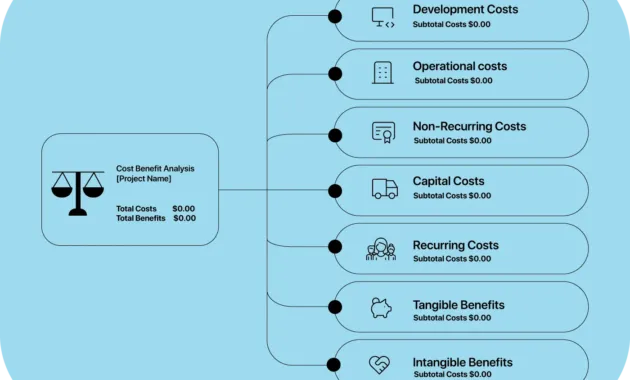
Imagine you hold a credit card with a $95 annual fee. The card offers 3 points per dollar on dining, 2 points on travel, and a $100 airline credit each year. Over the past year, you spent $2,500 on dining and $1,200 on travel.
- Dining rewards: 2,500 × (3‑1) = 5,000 extra points → $50 value.
- Travel rewards: 1,200 × (2‑1) = 1,200 extra points → $12 value.
- Airline credit: $100.
Total tangible benefits: $162. Subtract the $95 fee, and you net $67 in value—a 70 % return on the fee. If you also value lounge access (estimated $30 per visit, two visits a year), the net benefit climbs to $127. This example illustrates how a systematic analysis can reveal whether the fee pays for itself.
Impact on Your Credit Profile
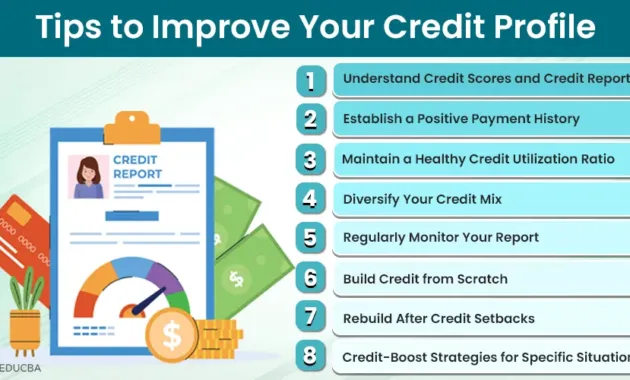
Annual fees do not directly affect your credit score, but the associated card can. Premium cards often come with higher credit limits, which can lower your credit utilization ratio—a key factor in credit scoring models. Maintaining a low utilization ratio (generally under 30 %) can improve your score, making the fee indirectly beneficial if it leads to a higher limit and better credit health.
If you’re new to credit or rebuilding a score, consider starting with a no‑fee card to establish a positive payment history before moving to a fee‑bearing premium product. Resources like Getting Started: Creating and Verifying Your Credit Karma Account can guide you through the early steps of credit building.
Tips for Maximizing Value From an Annual‑Fee Card

- Plan Your Spending: Align your high‑reward categories with your regular expenses to capture maximum points.
- Schedule Credit Card Benefits: Set reminders for annual credits, lounge access reservations, and insurance claim windows.
- Combine With Other Cards: Use a no‑fee card for everyday purchases while reserving the premium card for travel and dining.
- Redeem Rewards Strategically: Aim for high‑value redemptions, such as travel bookings, where points can be worth more than cash back. The guide Unlock Free Skies explains how to stretch reward points for maximum travel value.
- Monitor Fees Annually: Review your statement each year to ensure the card still aligns with your financial goals.
By integrating these habits into your routine, you transform the annual fee from a static cost into a dynamic tool that supports your broader financial narrative.
In the end, the annual fee on a credit card is not merely a charge; it is an entry ticket to a suite of services, rewards, and protections. Whether that ticket is worth the price depends on how you play the game—how often you travel, dine out, or leverage premium perks. Armed with a clear cost‑benefit framework, you can make an informed decision that keeps your financial story moving forward without unnecessary detours.