
Table of Contents
- Understanding Airline Reward Programs
- Types of Points: Miles vs. Currency
- Tier Levels and Their Impact
- Partner Networks
- How to Earn Points Efficiently
- Leverage Co‑branded Credit Cards
- Target Bonus Categories
- Take Advantage of Promotions
- Utilize Shopping Portals and Dining Programs
- Preparing to Redeem: Timing and Research
- Monitor Award Charts and Seasonal Variations
- Use Award Search Tools
- Check for Fees and Surcharges
- Step‑by‑Step Redemption Process
- Log Into Your Loyalty Account
- Search for Award Availability
- Select the Desired Flight
- Confirm and Pay
- Receive Confirmation
- Tips to Maximize the Value of Your Points
- Target Premium Cabins When Possible
- Take Advantage of Open‑Jaws and Stopovers
- Combine Points with Cash (Mileage‑Plus)
- Transfer Points Strategically
- Avoid High‑Fee Redemptions
- Common Pitfalls and How to Avoid Them
- Ignoring Expiration Policies
- Overlooking Alliance Options
- Failing to Compare Cash vs. Points
- Not Accounting for Taxes and Fees
- Booking Too Early or Too Late
- Future Trends in Reward Redemptions
- Dynamic Pricing Becomes Standard
- Increased Integration with Non‑Travel Partners
- Mobile‑First Booking Experiences
- Blockchain and Tokenized Miles
Redeem rewards for travel flights has become a realistic goal for many travelers, not just a perk for elite flyers. The process, however, can feel like navigating a maze of terms, blackout dates, and confusing booking windows. This article follows a practical storyline: from the moment a traveler signs up for a program, through the accumulation of points, to the moment a free ticket is booked and the journey begins. By tracing each step in a clear narrative, the guide equips readers with actionable knowledge while keeping the tone neutral and factual.
Imagine a traveler named Maya who starts her first airline loyalty account after a short weekend getaway. Over the next year, she watches her points balance grow as she books business trips, shops with partner retailers, and uses a co‑branded credit card. When she finally decides to redeem those points for a round‑trip flight to Paris, the experience feels rewarding—if she knows the right moves. This story illustrates the typical path many flyers follow, and it highlights the critical decisions that determine whether the redemption feels like a victory or a disappointment.
The following sections break down the journey into manageable pieces. Each heading acts as a waypoint, while the sub‑headings (h3) provide the specific tactics needed at each stage. Whether you are a beginner or an experienced point‑collector, the guide offers fresh perspectives and practical tips that can be applied immediately.
Understanding Airline Reward Programs

Airlines operate loyalty schemes that reward passengers with miles or points for each flight, as well as for ancillary activities. These programs differ in structure, earning rates, and redemption options. Understanding the fundamentals helps travelers choose the program that aligns with their travel habits.
Types of Points: Miles vs. Currency
- Miles: Traditionally linked to the distance flown. One mile earned per mile traveled, often adjusted by fare class and airline status.
- Currency points: Earned based on spend rather than distance. Common in newer programs, where $1 spent on a ticket equals a set number of points.
Tier Levels and Their Impact
Most programs feature tiered status—Silver, Gold, Platinum, etc. Higher tiers usually earn bonus points (e.g., 25% more) and grant priority boarding, lounge access, and reduced fees. For Maya, achieving Gold status after 30,000 miles meant a 25% point boost on every subsequent flight, accelerating her redemption timeline.
Partner Networks
Airlines often belong to alliances (Star Alliance, Oneworld, SkyTeam) or have bilateral partnerships with hotels, car rental agencies, and credit card issuers. Points earned with a partner can be transferred to the airline’s program, expanding earning opportunities. For instance, Maya transferred points earned from a hotel stay to her airline account, effectively turning a free night into flight credit.
How to Earn Points Efficiently
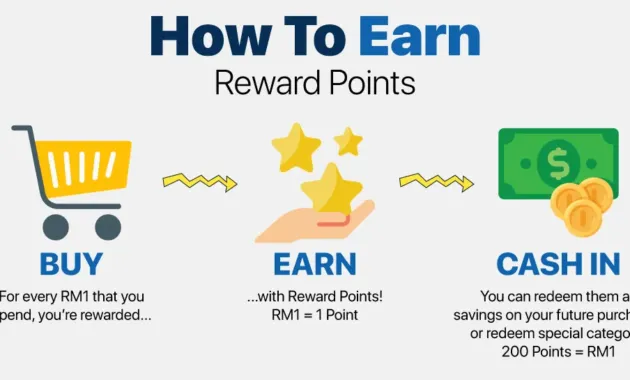
Accumulating enough points for a flight requires strategic planning. The following tactics optimize point generation without compromising everyday spending.
Leverage Co‑branded Credit Cards
Many airlines issue credit cards that award a high point multiplier on travel purchases and a modest rate on everyday spend. Typically, a new card offers a sign‑up bonus after meeting a minimum spend within the first few months. Maya’s credit card granted 50,000 bonus points after $3,000 of spend, enough for a one‑way domestic flight.
Target Bonus Categories
Some cards and loyalty programs assign extra points for specific categories, such as dining, groceries, or streaming services. By routing regular expenses through these cards, travelers can boost their balances faster. A simple spreadsheet of monthly expenses can reveal where the highest multipliers apply.
Take Advantage of Promotions
Airlines periodically run promotions that double points on certain routes or for a limited time. Subscribing to airline newsletters and setting alerts on travel forums helps catch these opportunities. When Maya booked a flight during a “double miles” promotion, she earned 2,000 miles for a 1,000‑mile trip, effectively cutting her redemption cost in half.
Utilize Shopping Portals and Dining Programs
Most airlines host online shopping portals where purchases at partner retailers earn extra points. Similarly, dining programs credit points for meals at participating restaurants. While the earnings per dollar are modest, they accumulate over time without extra effort.
Preparing to Redeem: Timing and Research
Before clicking “book,” a traveler should gather data on award availability, pricing, and any associated fees. The timing of redemption can significantly affect the number of points required.
Monitor Award Charts and Seasonal Variations
Award charts list the points needed for routes based on distance or region. Some airlines have moved to dynamic pricing, where the points required fluctuate with demand—similar to cash fares. Understanding whether a program uses a static or dynamic model helps set realistic expectations.
Use Award Search Tools
Official airline websites and third‑party tools (e.g., AwardHacker, ExpertFlyer) allow travelers to search for award seats across multiple dates and cabins. Maya used a tool that displayed the cheapest date range for her Paris flight, revealing a 45,000‑point round‑trip option in economy, versus 70,000 points during peak travel weeks.
Check for Fees and Surcharges
Even “free” award tickets may incur taxes, airport fees, and carrier surcharges. These costs vary by airline and route. Some programs allow points to cover these fees, while others require cash payment. Factoring in these expenses prevents surprise out‑of‑pocket charges at checkout.
Step‑by‑Step Redemption Process
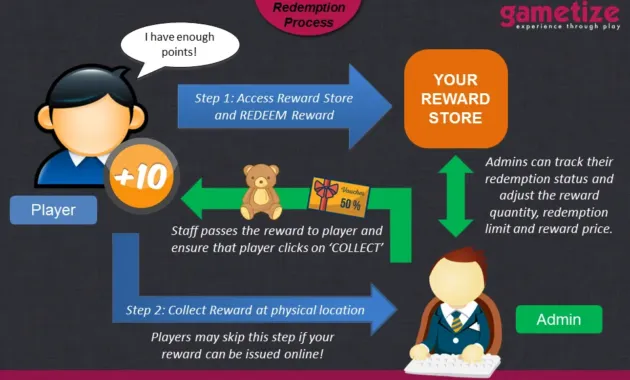
The actual booking of an award flight follows a predictable sequence. Below is a concise walkthrough that mirrors Maya’s experience from point accumulation to ticket issuance.
Log Into Your Loyalty Account
Access the airline’s website or mobile app. Ensure your profile information—especially passport details and frequent flyer numbers—is up to date to avoid delays during ticket issuance.
Search for Award Availability
Enter departure and arrival cities, select “award travel,” and specify the cabin class. Use flexible date options to view a broader range of seats. If no seats appear, try searching on adjacent airports or adjusting the travel dates by a few days.
Select the Desired Flight
Once a suitable flight appears, review the points cost, taxes, and any applicable fees. Confirm that the total points required fit within your balance, or consider transferring points from a partner program if needed.
Confirm and Pay
Proceed to the payment screen. Some airlines let you pay the entire amount with points, while others require a combination of points and cash for fees. Review the itinerary carefully before finalizing.
Receive Confirmation
After purchase, you will receive an e‑ticket receipt via email. Verify that all traveler details match the passport you will use. Most airlines allow changes or cancellations for a fee, but policies differ widely.
Tips to Maximize the Value of Your Points
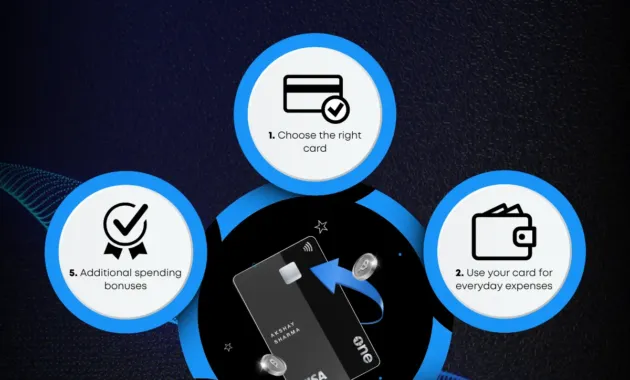
Redeeming points isn’t just about getting a free ticket; it’s about extracting the highest possible monetary value from each point.
Target Premium Cabins When Possible
Business and first‑class seats often provide a better cents‑per‑point ratio because cash fares for these cabins are substantially higher. For example, a business class ticket that costs $2,500 in cash may require 150,000 points, delivering a value of roughly 1.7 cents per point—significantly higher than an economy ticket that offers 0.8 cents per point.
Take Advantage of Open‑Jaws and Stopovers
Many programs allow a free stopover or an open‑jaw (different arrival and departure cities) on a single award ticket. This feature can turn a single redemption into a multi‑city trip at no additional point cost. Maya added a three‑day stopover in Rome on her Paris ticket, effectively enjoying two destinations for the price of one.
Combine Points with Cash (Mileage‑Plus)
When you lack enough points for a full award, many airlines offer a “points‑plus‑cash” option. This hybrid method can be useful during peak travel periods when pure award seats are scarce.
Transfer Points Strategically
Credit card points (e.g., Chase Ultimate Rewards, American Express Membership Rewards) can often be transferred to multiple airline partners at a 1:1 ratio. Choose the partner that offers the lowest award cost for your desired route. Maya transferred 30,000 Amex points to a partner airline, unlocking a 25% discount on the required miles.
Avoid High‑Fee Redemptions
Some airlines charge steep surcharges on award tickets, especially for flights departing from certain regions. Comparing the total cash cost of a ticket versus the points cost plus fees helps determine if the redemption truly saves money.
Common Pitfalls and How to Avoid Them
Even seasoned travelers can stumble into traps that diminish the value of their hard‑earned points. Recognizing these pitfalls early can safeguard your travel budget.
Ignoring Expiration Policies
Points may expire after a set period of inactivity—often 12 or 24 months. Regularly log in and accrue activity, such as a small purchase or a short flight, to reset the expiration clock.
Overlooking Alliance Options
Booking directly with the airline that issued the points isn’t always the cheapest route. Checking alliance partners can reveal lower point requirements or better seat availability. Maya discovered that a partner airline offered a 10% lower point cost for the same flight.
Failing to Compare Cash vs. Points
During sales, cash fares can dip below the effective value of an award ticket. Running a quick calculation—cash price divided by points required—helps decide whether to pay cash or redeem points.
Not Accounting for Taxes and Fees
Large surcharges can erode the perceived “free” nature of an award. Research typical fees for your route before committing, and factor them into your overall cost analysis.
Booking Too Early or Too Late
Some airlines release award seats 330 days in advance, while others hold back a portion of seats for last‑minute release. Experimenting with different booking windows can uncover hidden availability.
Future Trends in Reward Redemptions
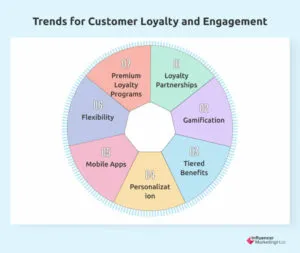
Airline loyalty programs continue to evolve, driven by technology, competition, and changing consumer expectations. Staying aware of emerging trends can give travelers a strategic edge.
Dynamic Pricing Becomes Standard
More airlines are shifting from static award charts to dynamic pricing models that mirror cash fare fluctuations. This change means that points required for a flight can vary day by day, making real‑time monitoring essential.
Increased Integration with Non‑Travel Partners
Retailers, subscription services, and even utility companies are joining loyalty ecosystems, allowing points to be earned on everyday expenses beyond traditional travel spend.
Mobile‑First Booking Experiences
Advanced mobile apps now offer push notifications for award seat releases, price drops, and personalized redemption suggestions based on your travel history.
Blockchain and Tokenized Miles
Some airlines are experimenting with blockchain technology to create transferable, tradable mileage tokens. While still in pilot phases, this innovation could eventually enable a secondary market for points, enhancing liquidity for travelers.
By keeping an eye on these developments, travelers can adapt their strategies and continue to reap the benefits of loyalty programs for years to come.
In summary, redeeming rewards for travel flights transforms ordinary travel into an experience where points act as a valuable currency. From selecting the right program, accumulating points through deliberate spending, researching award availability, and finally booking with confidence, each stage contributes to a seamless redemption journey. Maya’s story illustrates that with careful planning and awareness of common pitfalls, the promise of free or discounted flights is well within reach for anyone willing to engage with the system intelligently.