Table of Contents
- Understanding How Credit Cards Handle Big Ticket Items
- Impact of APR on Large Balances
- Credit Limit Considerations
- Key Features to Look for When Choosing a Card
- High Credit Limits and Flexible Approval
- Introductory 0% APR Periods
- Rewards Structure Tailored to Big Spending
- Purchase Protection and Extended Warranties
- Convenient Payment Options
- Strategies to Maximize Benefits and Minimize Costs
- Timing Your Purchase Within Promotional Windows
- Leveraging Introductory Bonus Points
- Paying More Than the Minimum
- Utilizing Balance Transfer Options (When Appropriate)
- Common Pitfalls and How to Avoid Them
- Overspending Because of Perceived “Free Money”
- Missing Payment Due Dates
- Ignoring Credit Utilization Impact
- Neglecting to Review Statements for Errors
- Case Study: Using a Premium Card for a Home Renovation
- Monitoring Credit Score During the Process
Credit cards for large purchases can be a powerful financial tool when used responsibly. They offer convenience, protection, and the potential to earn rewards on transactions that would otherwise drain cash reserves. Understanding the mechanics behind these cards helps consumers make informed decisions and avoid common traps.
When a major expense such as a home renovation, a new vehicle, or a high‑end appliance looms, many people turn to credit cards as a bridge between the price tag and their bank account. The key is to treat the card as a short‑term financing option rather than a permanent source of debt. By planning the purchase, selecting a card with suitable features, and managing repayment carefully, the transaction can become a financially sound choice.
In the following sections, we explore the essential considerations for leveraging credit cards on big ticket items. From evaluating card terms to employing smart repayment strategies, each step is designed to help you keep costs low while extracting maximum value.
Understanding How Credit Cards Handle Big Ticket Items

Most credit cards operate on a revolving credit model. When you charge a large purchase, the amount is added to your balance, and you are required to make at least a minimum payment each month. Interest accrues on any unpaid portion, typically calculated daily based on the Annual Percentage Rate (APR).
Impact of APR on Large Balances
- A higher APR can quickly erode any rewards earned, especially if the balance is carried for several months.
- Even a modest 18% APR translates to roughly 1.5% interest per month on the outstanding amount.
- Choosing a card with a low or introductory 0% APR on purchases can dramatically reduce the cost of financing a big purchase.
Credit Limit Considerations
Credit limits vary widely among issuers. For large purchases, the card’s limit must comfortably exceed the purchase price, allowing room for additional everyday expenses without maxing out the account. If a limit is too low, the transaction may be declined, or you may need to split the purchase across multiple cards, which can complicate tracking and repayment.
Key Features to Look for When Choosing a Card

Selecting the right card begins with matching its features to the specifics of your upcoming expense. Below are the most critical attributes to evaluate.
High Credit Limits and Flexible Approval
- Premium cards often come with higher limits, sometimes ranging from $10,000 to $30,000 or more.
- Some issuers offer “pre‑approval” tools that let you gauge your potential limit before applying, reducing the risk of a hard inquiry.
Introductory 0% APR Periods
Many cards provide a promotional 0% APR on purchases for a set period, typically 12 to 18 months. This feature allows you to spread the cost of a large purchase without incurring interest, provided you pay off the balance before the promotion ends.
Rewards Structure Tailored to Big Spending
Rewards can significantly offset the effective cost of a large purchase. Look for cards that offer:
- Elevated points or cash back on categories such as home improvement, travel, or electronics.
- Bonus multipliers for purchases over a certain threshold, for example, 5% cash back on any single transaction exceeding $1,000.
- Opportunities to combine points with airline or hotel loyalty programs for added value.
For a deeper dive into premium rewards, see our guide on premium credit cards with lounge access, which outlines how high‑spending travelers can leverage perks.
Purchase Protection and Extended Warranties
Many cards include built‑in protection that covers damage, theft, or loss for a limited period after purchase. Some also extend the manufacturer’s warranty by an additional year. These benefits add an extra layer of security for costly items.
Convenient Payment Options
Paying your balance efficiently can save time and reduce the chance of missed payments. Automated payments, online bill pay, and linking a checking account simplify the process. Our article on paying your credit card with a checking account provides step‑by‑step instructions.
Strategies to Maximize Benefits and Minimize Costs
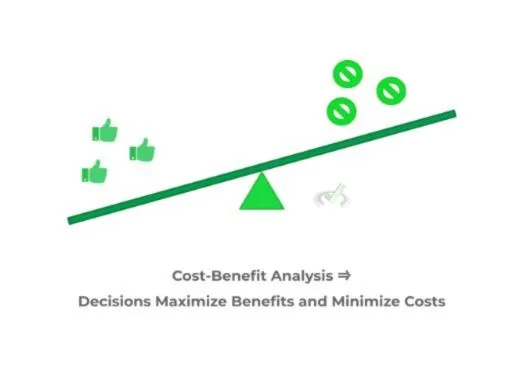
Even with an ideal card, the way you use it determines the net financial outcome. Below are proven tactics to stretch rewards while keeping interest charges at bay.
Timing Your Purchase Within Promotional Windows
If your chosen card offers a 0% APR period, schedule the purchase early in the promotional window. This maximizes the interest‑free time you have to pay off the balance. For example, a $5,000 appliance bought in month two of a 12‑month 0% APR offer gives you ten months to repay without interest.
Leveraging Introductory Bonus Points
Some cards award a large bonus after you spend a certain amount within the first three months. Planning a big purchase to meet this threshold can instantly generate thousands of points. Be sure the bonus outweighs any potential fees associated with the card.
Paying More Than the Minimum
Paying only the minimum extends the repayment period and accumulates interest. Aim to pay the full statement balance each month, or at least a substantial portion, to keep the balance low. Setting up automatic payments for a fixed amount larger than the minimum can enforce disciplined repayment.
Utilizing Balance Transfer Options (When Appropriate)
If the 0% APR period expires before you clear the debt, consider transferring the remaining balance to another card offering a fresh promotional rate. Balance transfers often carry a fee (typically 3%‑5% of the transferred amount), so calculate whether the saved interest outweighs the transfer cost.
Common Pitfalls and How to Avoid Them
Even experienced users can fall into traps that diminish the advantages of credit cards for large purchases. Recognizing these pitfalls early helps you stay on course.
Overspending Because of Perceived “Free Money”
The allure of rewards can encourage purchases beyond what you truly need. Stick to a pre‑defined budget and treat the credit card as a payment method, not a justification for extra spending.
Missing Payment Due Dates
Late payments trigger penalty APRs, which can be dramatically higher than the standard rate. They also incur fees and can damage your credit score. Use calendar reminders or automatic payment alerts to stay on schedule.
Ignoring Credit Utilization Impact
Charging a large amount relative to your total credit limit spikes your credit utilization ratio, potentially lowering your credit score. If possible, spread the purchase across multiple cards or request a temporary credit limit increase before the transaction.
Neglecting to Review Statements for Errors
Large transactions attract more scrutiny. Review each statement for duplicate charges, incorrect amounts, or unauthorized activity. Promptly disputing errors prevents unnecessary interest accrual.
Case Study: Using a Premium Card for a Home Renovation

Consider a homeowner planning a $20,000 kitchen remodel. The steps below illustrate how a well‑chosen credit card can streamline the process.
- Card Selection: The homeowner selects a premium card offering a 0% APR on purchases for 18 months, a $25,000 credit limit, and 3% cash back on home improvement purchases.
- Funding the Project: The full $20,000 is charged on the card. Immediate cash back of $600 (3%) is credited, reducing the net cost to $19,400.
- Repayment Plan: Over the next 12 months, the homeowner pays $1,666 each month, fully clearing the balance before the promotional period ends, thereby avoiding any interest.
- Additional Benefits: The card’s purchase protection covers any damage to materials during installation, and the extended warranty adds an extra year of coverage on appliances.
By aligning the renovation timeline with the card’s interest‑free window, the homeowner saved on financing costs while earning meaningful rewards. The same principles apply to other large purchases, such as electronics, furniture, or travel packages.
Monitoring Credit Score During the Process
Maintaining a healthy credit score is essential for future borrowing. Some cards provide free credit score tracking as a perk. Review the details in our article about credit cards that offer free credit score tracking to stay informed about how your utilization and payment history affect your score.
Throughout the renovation, the homeowner set up automatic payments from a checking account to ensure on‑time payments, referencing our guide on paying a credit card with a checking account for best practices.
In the end, the project was completed on schedule, the homeowner preserved cash flow, and the credit score remained stable, demonstrating how disciplined use of a credit card can turn a large expense into a strategic financial move.
When approached with careful planning, the right credit card can serve as a flexible financing option for significant purchases. By evaluating limits, APR structures, rewards, and protective features, you set a solid foundation. Pair that foundation with disciplined repayment habits, timely payments, and strategic use of promotional offers, and you can enjoy the convenience of credit while minimizing the cost.
Remember that every large purchase is an opportunity to practice financial stewardship. Treat the credit line as a short‑term loan, respect the terms, and leverage the benefits wisely. In doing so, you preserve your purchasing power for future needs and maintain a healthy credit profile.