Table of Contents
- Understanding Wells Fargo Credit Card Options
- Cash‑Back Cards
- Travel Rewards Cards
- Low‑APR and Balance‑Transfer Cards
- Eligibility and Documentation Required
- Credit Score Thresholds
- Income Verification
- Other Required Information
- Step‑by‑Step Guide to Sign Up
- Online Application
- In‑Branch Application
- Mobile App Route
- What Happens After You Apply?
- Approval Timeline
- Card Activation and Setting a PIN
- Setting Up Online Account Access
- Managing Your New Card Effectively
- Setting Up Automatic Payments
- Monitoring Credit Utilization
- Requesting Credit Limit Increases
- Avoiding Minimum‑Payment Pitfalls
- Utilizing Rewards and Benefits
Signing up for a Wells Fargo credit card can be a practical move for anyone looking to combine everyday spending power with rewards tailored to their lifestyle. Wells Fargo, one of the nation’s largest banks, offers a portfolio of cards that range from cash‑back incentives to travel‑focused perks, each designed to meet specific consumer needs. Understanding the application process, the variety of cards available, and how to make the most of the benefits after approval can turn a simple sign‑up into a long‑term financial advantage.
Before diving into the details, it’s useful to recognize why Wells Fargo remains a popular choice among credit‑card seekers. The bank’s extensive branch network, robust online banking platform, and competitive introductory APR offers create an environment where new cardholders feel supported from the moment they submit their application. Moreover, Wells Fargo integrates its credit cards with broader banking services, making it easier to track spending, pay bills, and manage credit limits—all from a single dashboard.
In the sections that follow, you will find a comprehensive walkthrough that starts with the different card products Wells Fargo offers, moves through eligibility criteria, and then guides you through each step of the sign‑up journey—whether you prefer applying online, visiting a branch, or using the mobile app. The article also includes practical advice on post‑approval actions such as activating your card, setting up online access, and monitoring your credit utilization to protect your credit score.
Understanding Wells Fargo Credit Card Options
![5 Best Chip and PIN Credit Cards [December 2025]](https://blog.avaller.com/wp-content/uploads/2026/01/5-best-chip-and-pin-credit-cards-december-2025.webp)
Wells Fargo’s credit‑card lineup is organized around three primary themes: cash back, travel rewards, and low‑interest cards. Each category targets a different spending habit, allowing applicants to align their choice with personal financial goals.
Cash‑Back Cards
- Wells Fargo Active Cash℠ Card: Offers a flat 2% cash back on every purchase, with no rotating categories to track.
- Wells Fargo Propel American Express® Card: Provides 3X points on dining, travel, and streaming services, which can be redeemed for cash back, gift cards, or travel.
- Wells Fargo Cash Wise® Visa® Card: Features 1.5% cash back on all purchases and a $0 annual fee.
Travel Rewards Cards
- Wells Fargo Autograph℠ Card: Earns 3X points on travel, dining, and gas, plus 1X on all other purchases, with the ability to transfer points to airline partners.
- Wells Fargo Platinum Card: Focuses on low APR for travel purchases and includes travel accident insurance.
Low‑APR and Balance‑Transfer Cards
- Wells Fargo Reflect℠ Card: Offers one of the longest introductory APR periods—up to 21 months on purchases and balance transfers.
- Wells Fargo Visa® Card: Provides a 0% intro APR on purchases for 15 months and a low ongoing APR thereafter.
Choosing the right card begins with evaluating how you spend most of your money. If your everyday expenses consist mainly of groceries and gas, a cash‑back card with a flat rate may be the simplest option. Conversely, frequent flyers may benefit more from a travel rewards card that offers higher points on airline and hotel purchases. Understanding each product’s reward structure will help you avoid paying for features you’ll never use.
Eligibility and Documentation Required
Before you can sign up for a Wells Fargo credit card, you must meet a set of eligibility criteria that the bank uses to assess credit risk. While the exact thresholds can vary by card, the following guidelines apply to most of the bank’s offerings.
Credit Score Thresholds
Wells Fargo typically requires a credit score of at least 650 for standard cards, while premium cards may demand a score of 700 or higher. Applicants with a score below 600 may still be eligible for secured credit cards, but those options are less common in the Wells Fargo portfolio.
Income Verification
The application will ask for your annual household income. This figure helps determine your credit limit and assesses whether you can comfortably manage the card’s potential debt. Acceptable documentation includes recent pay stubs, tax returns, or proof of self‑employment income.
Other Required Information
- Social Security Number (or Individual Taxpayer Identification Number)
- Current residential address and length of residence
- Employment status and employer name
- Bank account numbers for any linked checking or savings accounts
Having these documents ready before you start the application can speed up the process and reduce the chance of errors that might delay approval. If you’re uncertain about your credit score, you can check it for free through services like Unlock Your Experian Credit Report Login in Minutes.
Step‑by‑Step Guide to Sign Up
The sign‑up process for a Wells Fargo credit card is streamlined across three main channels: the bank’s website, a physical branch, and the mobile app. Below is a detailed walk‑through of each method.
Online Application
- Visit the official Wells Fargo credit‑card page and select the card that matches your preferences.
- Click the “Apply Now” button to open the application form.
- Enter personal information: name, address, Social Security Number, and contact details.
- Provide employment and income details as requested.
- Review the terms and conditions, then submit the form.
- Within minutes, you’ll receive an instant decision for most cards. If additional verification is needed, you may be asked to upload supporting documents.
Online applications are the fastest route, and they allow you to compare multiple cards side‑by‑side. After approval, you’ll receive an email confirmation with instructions on how to activate the card once it arrives.
In‑Branch Application
- Schedule an appointment at a local Wells Fargo branch or walk in during business hours.
- Speak with a banking representative who will guide you through the card options.
- Complete a paper application, providing the same information required online.
- The representative can often run a real‑time credit check, delivering an immediate decision.
- If approved, you may receive a temporary card on the spot, with the permanent card mailed within 7‑10 business days.
Choosing the branch route can be advantageous if you have questions about the fine print or need assistance interpreting the reward structure.
Mobile App Route
- Download the Wells Fargo mobile app from the App Store or Google Play.
- Log in with your existing Wells Fargo banking credentials, or create a new account if you’re not yet a customer.
- Navigate to the “Credit Cards” section and select “Apply for a Card.”
- Follow the on‑screen prompts to enter personal, employment, and financial details.
- Submit the application and await the decision, which often appears within the app itself.
The mobile app offers the convenience of applying from anywhere, and it automatically links the new credit card to your existing online banking profile, simplifying future management.
What Happens After You Apply?

Receiving an approval notification is only the beginning. Several important steps follow to ensure you can start using the card safely and efficiently.
Approval Timeline
Most standard Wells Fargo cards provide an instant decision during the online or in‑branch application. For cards that require additional underwriting, the decision may take up to 48 hours. If you’re denied, the bank will send a letter explaining the reason and providing information on how to obtain a free copy of your credit report.
Card Activation and Setting a PIN
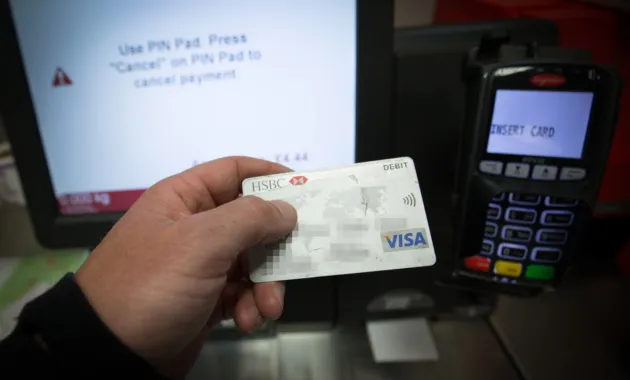
When the physical card arrives, you’ll need to activate it. Activation can be completed by calling the toll‑free number printed on the sticker, using the Wells Fargo mobile app, or logging into your online account. During activation, you’ll be prompted to set a personal identification number (PIN), which will be required for ATM withdrawals and certain point‑of‑sale transactions.
Setting Up Online Account Access
After activation, log in to the Wells Fargo online portal or mobile app to view your balance, make payments, and enroll in alerts. Enabling two‑factor authentication adds an extra layer of security, protecting your account from unauthorized access. For a detailed guide on managing online access for other cards, see How to Seamlessly Sign In to Your Bank of America Credit Card Account – A Step‑by‑Step Guide.
Managing Your New Card Effectively
Owning a Wells Fargo credit card offers many benefits, but responsible usage is key to maximizing those rewards while protecting your credit health.
Setting Up Automatic Payments
To avoid late fees and protect your credit score, consider enrolling in automatic minimum payments or full‑balance payments. Automatic payments can be scheduled through the Wells Fargo online dashboard, ensuring your due date is always met. If you’re interested in eliminating recurring charges altogether, read Stop Recurring Credit Card Payments Forever: The Simple Steps Every Cardholder Needs for a step‑by‑step approach.
Monitoring Credit Utilization
Credit utilization—the ratio of your outstanding balances to your total credit limits—is a crucial factor in credit scoring models. Maintaining utilization below 30% is generally recommended. Wells Fargo provides real‑time utilization data in its online portal, helping you adjust spending before the statement closing date. For a deeper dive into why utilization matters, check out Understanding Credit Utilization Ratio.
Requesting Credit Limit Increases
If you manage your card responsibly, you may qualify for a credit limit increase after six months of on‑time payments. A higher limit can lower your utilization ratio and give you more purchasing flexibility. Before requesting an increase, consider your current income and recent credit activity. The article Why Consider an Online Credit Limit Increase? outlines the benefits and potential impact on your credit score.
Avoiding Minimum‑Payment Pitfalls
Paying only the minimum amount each month can lead to long‑term interest accumulation and may keep you in debt for years. Understanding how minimum payments are calculated and the true cost of carrying a balance is essential. Learn more about this topic in The Hidden Truth About Minimum Payments on Credit Cards – What Every Cardholder Must Know.
Utilizing Rewards and Benefits
Each Wells Fargo card comes with specific rewards programs, travel protections, and purchase safeguards. Regularly review your rewards balance and redemption options to ensure you’re getting the maximum value. For travel‑focused cards, take advantage of complimentary travel insurance, rental car coverage, and airport lounge access when applicable.
By staying organized, setting up automatic payments, and keeping a close eye on utilization, you can turn your Wells Fargo credit card into a powerful financial tool that supports both everyday expenses and long‑term goals.
In summary, the process of signing up for a Wells Fargo credit card is straightforward when you understand the card options, meet the eligibility criteria, and follow the step‑by‑step application guide. Once approved, activating the card, establishing online access, and employing disciplined management practices will help you reap the rewards while safeguarding your credit health. Whether you prefer the convenience of online enrollment, the personal touch of a branch visit, or the flexibility of the mobile app, Wells Fargo provides multiple pathways to obtain a card that aligns with your financial lifestyle.