Table of Contents
- Understanding the Discover it Cash Back Card
- Eligibility Requirements and Preliminary Checks
- Check Your Credit Score First
- Gather Required Information
- Step‑by‑Step Application Process
- 1. Visit Discover’s Official Website
- 2. Click the “Apply Now” Button
- 3. Fill Out the Application Form
- 4. Review Terms and Submit
- 5. Receive an Instant Decision—or a Follow‑Up Request
- Post‑Application: Setting Up Your Account and Maximizing Benefits
- Activate and Register Online
- Enroll in Automatic Cash‑Back Redemption
- Strategic Use of Rotating Categories
- Consider a Credit Limit Increase
- Managing Recurring Payments
- Common Pitfalls and How to Avoid Them
- Missing the Quarterly Category Deadline
- Exceeding the $1,500 Cap Unknowingly
- Late Payments and Interest Charges
- Neglecting to Redeem Cash Back
- Advanced Strategies for Power Users
- Stacking Cashback with Store Promotions
- Utilizing the First‑Year Cashback Match
- Transferring Cash Back to High‑Yield Savings
- Monitoring Your Credit Utilization
The Discover it Cash Back card has become a popular choice for consumers who want straightforward rewards without an annual fee. If you’re reading this, you probably already know that the card offers 5% cash back on rotating quarterly categories and 1% on all other purchases. The keyword “Apply for Discover it Cash Back” appears early in this guide because the application process is the gateway to those benefits.
Before you begin the application, it helps to understand the card’s core features, the typical eligibility requirements, and the documents you’ll need at hand. By familiarizing yourself with these elements, you can avoid common pitfalls and increase the likelihood of approval on your first attempt.
In the sections that follow, we’ll walk through each stage of the application, from checking your credit score to setting up online account access. Along the way, you’ll find practical tips—such as when to request a credit limit increase and how to manage recurring payments—that complement the Discover it Cash Back experience.
Understanding the Discover it Cash Back Card
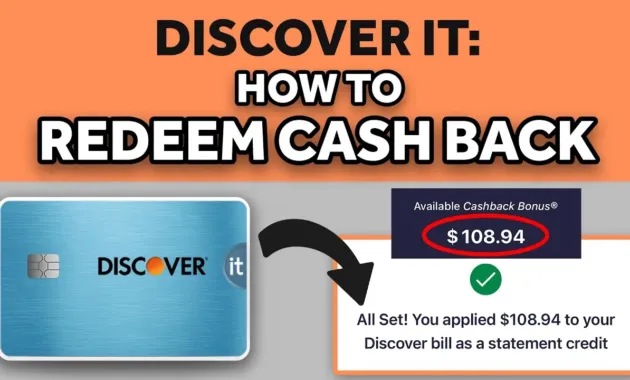
Discover’s flagship cash‑back offering is designed for everyday spending. The card provides:
- 5% cash back on up to $1,500 in purchases each quarter in rotating categories (e.g., grocery stores, gas stations, restaurants).
- 1% cash back on all other purchases.
- A match of all cash back earned in the first year, effectively doubling your rewards.
- No annual fee, no foreign transaction fees, and free access to Discover’s FICO® Score.
These benefits are most valuable when you align your spending habits with the quarterly categories. For example, if the current quarter highlights grocery stores, using the card for your weekly food shop can quickly accrue the 5% rate.
Eligibility Requirements and Preliminary Checks
Discover typically approves applicants with a good to excellent credit history, which translates to a FICO score of 670 or higher. However, the exact threshold can vary based on other factors such as income, existing debt, and recent credit inquiries.
Check Your Credit Score First
Before you click “Apply,” obtain a recent credit report. Discover provides a free FICO score to its cardholders, but you’ll need a score from a credit bureau to assess eligibility. If you’re uncertain about your score, read the article Understanding Credit Utilization Ratio for tips on how your utilization impacts overall credit health.
Gather Required Information
The application will ask for the following details:
- Full legal name and Social Security number.
- Current residential address (and any previous address if you’ve lived there less than two years).
- Employment information, including employer name, length of employment, and annual income.
- Monthly housing payment (rent or mortgage).
- Bank account numbers for direct deposit of any cash‑back rewards, if you prefer.
Having these items ready will speed up the process and reduce the chance of errors that could delay approval.
Step‑by‑Step Application Process
1. Visit Discover’s Official Website
Navigate to Discover’s credit card page and locate the Discover it Cash Back card. Avoid third‑party sites that may charge hidden fees or request unnecessary personal data.
2. Click the “Apply Now” Button
The button leads to a secure, encrypted form. You’ll be prompted to create a user ID and password for your online account. If you already have a Discover account (for example, a student loan), you can log in directly.
3. Fill Out the Application Form
Enter the information gathered earlier. Double‑check each field for accuracy; a typo in your Social Security number or address can trigger a manual review, extending the decision timeline.
4. Review Terms and Submit
Before submitting, read the card’s terms and conditions, focusing on the APR ranges, fee structure, and cash‑back redemption options. Once satisfied, click “Submit Application.”
5. Receive an Instant Decision—or a Follow‑Up Request
Most applicants receive an instant decision within seconds. If Discover needs additional verification, you’ll receive a call or email within 24‑48 hours requesting documentation such as a recent pay stub or utility bill.
Post‑Application: Setting Up Your Account and Maximizing Benefits
Approval marks the start of your relationship with Discover. The next steps involve activating your card, enrolling in cash‑back redemption, and integrating the card into your financial routine.
Activate and Register Online
Once the card arrives (usually within 7‑10 business days), call the activation number on the sticker or use the online portal. After activation, log in to your new account. If you need guidance, the article Unlock Fast Help: The Ultimate Guide to Discover Card Customer Service Phone Numbers offers the phone numbers you’ll need for quick assistance.
Enroll in Automatic Cash‑Back Redemption
Discover automatically credits cash back to your account each month. You can choose to receive it as a statement credit, direct deposit, or gift card. Setting up direct deposit early ensures you see the benefit without delay.
Strategic Use of Rotating Categories
Every quarter, Discover announces five categories that earn the 5% rate, up to $1,500 in combined purchases. Subscribe to email alerts or download the Discover app to receive real‑time updates. Align major expenses—such as utility bills, grocery shopping, or streaming services—with these categories to maximize earnings.
Consider a Credit Limit Increase
After six months of on‑time payments, you may be eligible for a credit limit increase. A higher limit can improve your credit utilization ratio, a key factor in credit scoring. For a detailed look at why a limit increase matters, see Why Consider an Online Credit Limit Increase?
Managing Recurring Payments
If you have subscription services that you pay monthly, consider consolidating them onto the Discover it Cash Back card. However, be mindful of the 5% cap; once you exceed $1,500 in a quarter, additional purchases revert to the 1% rate. For a step‑by‑step method to stop unwanted recurring charges, refer to Stop Recurring Credit Card Payments Forever.
Common Pitfalls and How to Avoid Them
Even with a smooth application, some cardholders encounter issues that diminish the card’s value. Below are frequent mistakes and practical remedies.
Missing the Quarterly Category Deadline
Discover’s 5% categories reset on the first day of each quarter. If you forget to activate the new categories, you’ll miss out on the higher cash‑back rate. Set a calendar reminder for the first day of January, April, July, and October.
Exceeding the $1,500 Cap Unknowingly
Because the 5% rate applies only to the first $1,500 in qualifying purchases each quarter, overspending can lead to a sudden drop to 1% without warning. Track your spending through the Discover app, which provides a real‑time tally of category purchases.
Late Payments and Interest Charges
Even though the card has no annual fee, it carries an APR that applies to balances carried beyond the grace period. Set up automatic payment reminders or enroll in auto‑pay for at least the minimum amount to avoid interest.
Neglecting to Redeem Cash Back
Cash back is automatically credited, but if you prefer a gift card or statement credit, you must select the option in the portal. Failing to do so may result in cash back sitting idle, especially if you plan to use it for a larger purchase later.
Advanced Strategies for Power Users

For those who want to extract every possible cent from the Discover it Cash Back card, consider these advanced tactics.
Stacking Cashback with Store Promotions
Many retailers run their own cash‑back or discount promotions. Combine a Discover 5% category with a store’s 10% off coupon to achieve a combined discount that rivals some rebate programs.
Utilizing the First‑Year Cashback Match
The first‑year match effectively doubles all cash back earned. If you anticipate a high‑spending quarter, front‑load purchases (within your budget) to maximize the match. Just ensure you can pay the balance in full to avoid interest.
Transferring Cash Back to High‑Yield Savings
While Discover allows direct deposit of cash back into a checking account, you can route the funds to a high‑yield savings account for additional earnings. This practice turns cash back into a small, passive income stream.
Monitoring Your Credit Utilization
Keeping your utilization below 30% (ideally under 10%) helps maintain a strong credit score. If you plan a large purchase, consider temporarily increasing your credit limit or spreading the expense across multiple cards.
By integrating these strategies with disciplined payment habits, the Discover it Cash Back card can serve as both a rewards engine and a tool for credit building.
Applying for the Discover it Cash Back card is a straightforward process, but the real value lies in how you manage the card after approval. From monitoring rotating categories to leveraging a credit limit increase, each step contributes to a more rewarding experience. With the guidance provided here, you’re equipped to navigate the application, avoid common errors, and optimize cash back returns—all while maintaining a healthy credit profile.