Table of Contents
- Key Criteria for Selecting a Student Card with No Credit
- Low or No Annual Fee
- Easy Approval Process
- Reasonable Interest Rates
- Educational Resources
- Reward Structure Aligned With Student Life
- Top Credit Cards for Students With No Credit in 2024
- 1. Discover it® Student Cash Back
- 2. Capital One SavorOne® Student Cash Rewards Credit Card
- 3. Bank of America® Travel Rewards for Students
- 4. Citi® Secured Mastercard®
- 5. Chase Freedom® Student Credit Card
- How to Apply and Activate Your First Student Card
- Step‑by‑Step Activation
- Practical Tips for Building Credit Responsibly
- Pay Your Balance in Full Every Month
- Keep Your Credit Utilization Low
- Monitor Your Credit Report Regularly
- Avoid Unnecessary Fees
- Leverage Student‑Specific Perks
- Understanding the Long‑Term Impact of Early Credit Building
- What to Do If Your Application Is Declined
- Review the Reason
- Improve Your Profile
- Reapply After a Waiting Period
- Frequently Asked Questions
- Can I get a credit card with a $0 credit limit?
- Do student cards affect my ability to get a loan later?
- Is a secured card better than an unsecured student card?
- How long does it take to see a credit score increase?
- Are there hidden fees I should watch for?
Starting college often means stepping into a world of new financial responsibilities. For many students, the first challenge is finding a credit card when they have no credit history. The keyword “students with no credit” reflects a common situation: eager to learn financial independence but lacking a track record. This guide walks through the most suitable cards, explains why they matter, and offers actionable steps to begin building credit without risking financial health.
Credit cards are not just spending tools; they are gateways to a credit score that influences future loans, rentals, and even job applications. However, applying for the wrong card can lead to high fees, denied applications, and a tarnished credit profile. By focusing on cards that welcome beginners, students can start with low risk, earn rewards, and lay a solid foundation for their financial future.
In the sections that follow, we will explore the criteria that make a card ideal for a newcomer, list the top options currently available, and provide a roadmap for responsible usage. Throughout, you’ll find practical advice and links to related resources that deepen your understanding of activation, security, and account management.
Key Criteria for Selecting a Student Card with No Credit
Before diving into specific products, it is essential to understand the characteristics that separate a student-friendly card from a standard offering. These criteria ensure the card aligns with a beginner’s needs and safeguards against common pitfalls.
Low or No Annual Fee
Students typically operate on limited budgets. A card that charges an annual fee can quickly become a financial burden. Look for cards that either waive the fee for the first year or eliminate it entirely.
Easy Approval Process
Without an established credit score, many mainstream cards will reject the application. Cards that accept a student’s school enrollment verification or use alternative data (such as rent payments) increase the likelihood of approval.
Reasonable Interest Rates
Even if you plan to pay the balance in full each month, occasional carryovers happen. Choosing a card with a low APR reduces the cost of any accidental interest charges.
Educational Resources
Some issuers provide tools that teach budgeting, credit monitoring, and responsible usage. Access to these resources can accelerate a student’s financial literacy.
Reward Structure Aligned With Student Life
Cash back on groceries, gas, or online purchases can offset everyday expenses. Rewards should be straightforward, without complicated tier systems that are hard to track.
Top Credit Cards for Students With No Credit in 2024
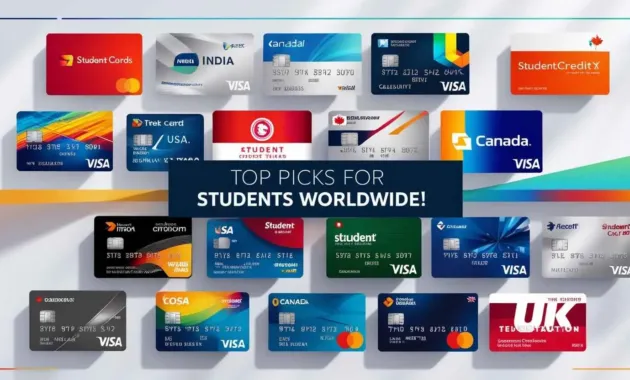
The following cards meet the criteria above and have been vetted for their suitability to beginners. Each entry includes key features, eligibility requirements, and potential drawbacks.
1. Discover it® Student Cash Back
- Annual fee: $0
- APR: 14.99% – 23.99% variable
- Rewards: 5% cash back on rotating quarterly categories (up to $1,500 per quarter) and 1% on all other purchases.
- Student benefits: $20 statement credit each school year for maintaining a good GPA, free credit score monitoring.
- Why it fits beginners: No annual fee, easy approval with a school email address, and a simple cash‑back structure.
2. Capital One SavorOne® Student Cash Rewards Credit Card
- Annual fee: $0
- APR: 15.24% – 24.24% variable
- Rewards: 3% cash back on dining and entertainment, 2% at grocery stores, 1% on all other purchases.
- Student benefits: No foreign transaction fees, credit line increase after five on‑time payments.
- Why it fits beginners: Strong rewards on categories students frequently spend, plus a clear path to higher credit limits.
3. Bank of America® Travel Rewards for Students
- Annual fee: $0
- APR: 14.99% – 23.99% variable
- Rewards: 1.5 points per $1 on all purchases, redeemable for travel statement credits.
- Student benefits: $100 statement credit after spending $500 in the first 90 days, free credit score tracking.
- Why it fits beginners: Simple point system, no foreign transaction fees, and an easy way to start earning travel rewards.
4. Citi® Secured Mastercard®
- Annual fee: $0
- APR: 22.99% variable
- Security deposit: $200 – $2,500 (acts as credit limit)
- Student benefits: Helps build credit from the ground up, reports to all three major bureaus.
- Why it fits beginners: Although it requires a deposit, it is a proven path for students with no credit to establish a score.
5. Chase Freedom® Student Credit Card
- Annual fee: $0
- APR: 14.99% – 23.74% variable
- Rewards: 1% cash back on all purchases, plus a $20 Good Student Bonus after first $500 spent in five months.
- Student benefits: No late fee on the first late payment, free credit score access, and a $50 credit after first $500 spent.
- Why it fits beginners: Straightforward cash‑back, forgiving fee structure for occasional late payment, and easy online activation.
How to Apply and Activate Your First Student Card
Securing a card is only the beginning. The activation process ensures the card is ready for use and that you have control over its settings. A step‑by‑step guide can prevent errors and protect your new account.
Step‑by‑Step Activation
- Log in to the issuer’s online portal using the credentials you created during the application.
- Locate the “Activate Card” option—often found under “Account Services” or “Card Management.”
- Enter the nine‑digit card verification number (CVV) found on the back of the card.
- Confirm your identity by answering a security question or entering a one‑time passcode sent to your phone or email.
- Once activated, set up a personal identification number (PIN) for ATM withdrawals and point‑of‑sale transactions.
If you need more detailed guidance, the article Getting Started: Activation and First Use walks through each screen and explains common pitfalls.
Practical Tips for Building Credit Responsibly
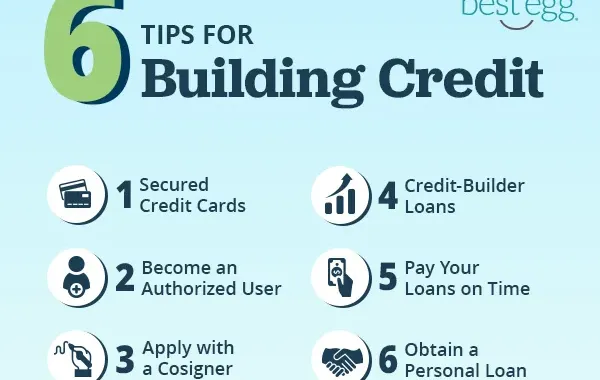
Having a card is an opportunity, not a guarantee of success. Consistent, responsible behavior translates into a solid credit score over time.
Pay Your Balance in Full Every Month
Carrying a balance incurs interest, which can quickly outweigh any rewards earned. Set up automatic payments for at least the minimum amount, then manually pay the remainder before the due date.
Keep Your Credit Utilization Low
Credit utilization—how much of your available limit you use—should stay below 30%. For a $500 limit, aim to keep the balance under $150. Low utilization signals to lenders that you manage credit prudently.
Monitor Your Credit Report Regularly
All student cards listed provide free access to your credit score. Review the report at least once a quarter to catch errors. The article The Simple, Foolproof Way to Update Your Credit Card Contact Info and Keep Your Account Safe explains how to keep your personal data accurate, which also helps maintain a healthy credit file.
Avoid Unnecessary Fees
Even cards with no annual fee can have other charges, such as cash‑advance fees or foreign transaction fees. Use your card for purchases, not cash withdrawals, and consider a no‑foreign‑transaction‑fee card if you plan to travel abroad.
Leverage Student‑Specific Perks
Many cards offer bonuses for maintaining a certain GPA or for consistent on‑time payments. Treat these incentives as additional motivation to stay on top of your financial responsibilities.
Understanding the Long‑Term Impact of Early Credit Building
Establishing credit as a student sets the stage for future financial milestones. A solid credit history can lower interest rates on auto loans, qualify you for better rental agreements, and even influence employment decisions where credit checks are standard practice.
Research shows that individuals who begin building credit before age 22 tend to have higher credit scores by the time they reach 30. The cumulative effect of timely payments, low utilization, and a diverse credit mix (credit cards, student loans, perhaps a small auto loan) creates a robust credit profile.
Conversely, missteps—such as missed payments or maxing out a limit—can have lasting consequences. Negative marks stay on a credit report for up to seven years, and their impact diminishes only gradually. Starting with a student card that offers forgiving fee structures and educational resources reduces the risk of early errors.
What to Do If Your Application Is Declined
Rejection is not the end of the road. Most issuers provide a reason for denial, which can guide your next steps.
Review the Reason
Common reasons include insufficient income, lack of credit history, or errors in the application. If income is the issue, consider a secured card that uses a cash deposit as collateral.
Improve Your Profile
Pay any existing student loans on time, become an authorized user on a parent’s card, or use a service that reports rent payments to credit bureaus.
Reapply After a Waiting Period
Most issuers recommend waiting 30–90 days before reapplying. In the meantime, continue building a positive payment history through other financial obligations.
Frequently Asked Questions
Can I get a credit card with a $0 credit limit?
No. Issuers must extend at least a modest line of credit, often $500 to $1,000 for student cards, to report activity to credit bureaus.
Do student cards affect my ability to get a loan later?
Yes. Positive payment history and low utilization improve your credit score, which lenders consider when evaluating loan applications.
Is a secured card better than an unsecured student card?
A secured card can be a viable alternative if you cannot qualify for an unsecured card. It requires a deposit, but it also guarantees approval and helps you build credit from the ground up.
How long does it take to see a credit score increase?
Credit bureaus typically update scores monthly. Consistent on‑time payments and low utilization can produce noticeable improvements within three to six months.
Are there hidden fees I should watch for?
Beyond annual fees, watch for cash‑advance fees, foreign transaction fees, and late‑payment penalties. Review the card’s terms before use.
Choosing the right credit card as a student with no credit is a strategic decision that influences your financial trajectory for years to come. By focusing on cards with no annual fee, easy approval, modest interest rates, and student‑friendly perks, you can start building a solid credit foundation. Pair the card with disciplined habits—pay balances in full, keep utilization low, and monitor your report—and you’ll set yourself up for future financial success. Remember that each responsible action adds to a growing credit story, turning a simple student card into a powerful tool for the years ahead.