Table of Contents
- Why a Business Credit Card Matters for a Startup
- Cash Flow Management in Practice
- Reward Optimization for Startups
- Eligibility and Building Business Credit
- Personal Credit Influence
- Separating Business and Personal Credit
- Key Features to Evaluate Before Choosing a Card
- Interest Rates and Fees
- Reward Structure Aligned with Spend
- Reporting to Business Credit Bureaus
- Expense Management Tools
- Top Business Credit Card Options for Startups (2026)
- How to Apply Effectively
- Managing the Card: Best Practices for Startups
- Automate Payments and Avoid Interest
- Monitor Spending by Category
- Leverage Employee Cards Wisely
- Watch for Hidden Costs
- Pitfalls to Avoid and How to Protect Your Credit Profile
- Carrying a High Balance
- Closing the Card Prematurely
- Mixing Personal and Business Expenses
- Neglecting to Review Card Terms Annually
Business credit cards for startups are more than just a payment tool; they act as a strategic partner in the early stages of a company’s journey. By providing flexible financing, reward structures, and a pathway to establish corporate credit, the right card can influence cash flow management and operational efficiency. Understanding the nuances of these cards helps founders make choices that align with their growth plans.
When a startup begins to scale, every dollar counts. Traditional loans often require extensive documentation and collateral, which many young companies lack. A business credit card offers a revolving line of credit that can be tapped for everyday expenses, marketing campaigns, or unexpected costs. Moreover, responsible usage builds a credit profile that opens doors to larger financing options down the road.
In this article we will walk through the essential considerations, highlight key features, and present a roadmap for selecting and managing a business credit card that suits a startup’s unique needs.
Why a Business Credit Card Matters for a Startup
Startups operate in a fast‑moving environment where agility is crucial. A business credit card supports this agility in several ways:
- Improved cash flow: Purchases can be deferred until the statement due date, giving the business extra time to collect revenue.
- Expense tracking: Most cards provide detailed transaction reports, simplifying bookkeeping and enabling real‑time visibility into spending.
- Reward programs: Cash back, travel points, or statement credits can offset operating costs when aligned with business spend categories.
- Credit building: Timely payments add positive data to the company’s credit file, which lenders review for future financing.
Cash Flow Management in Practice
Imagine a SaaS startup that spends $5,000 each month on cloud services. By using a card that offers a 30‑day grace period, the founder can retain that cash for up to a month, using it to cover payroll or invest in product development. The net effect is a smoother cash conversion cycle without incurring interest, as long as the balance is paid in full.
Reward Optimization for Startups
Rewards become meaningful when they match the business’s spend profile. A company that travels frequently for client meetings will benefit from travel‑centric cards, while a startup focused on inventory purchases may prefer high cash‑back rates on office supplies. Aligning rewards with core expenses maximizes the return on every dollar spent.
Eligibility and Building Business Credit
Most issuers evaluate both personal and business creditworthiness. For a brand‑new startup, personal credit scores often serve as the primary metric. However, there are pathways to establish business credit independent of personal history.
Personal Credit Influence
Founders with a solid personal credit score (typically 680 or higher) enjoy easier approval and better interest rates. Lenders may request a personal guarantee, which means the founder is personally liable for the debt if the business defaults.
Separating Business and Personal Credit
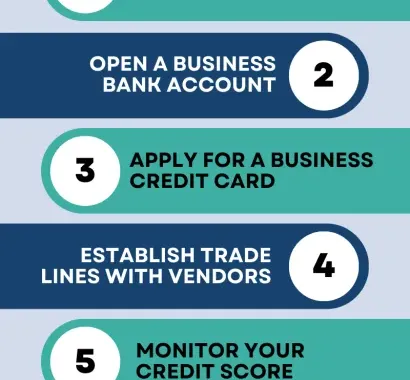
To build a distinct business credit profile, founders should:
- Register the business as a legal entity (LLC, corporation).
- Obtain an Employer Identification Number (EIN) from the IRS.
- Open a dedicated business bank account.
- Apply for a business credit card using the EIN and business details.
Consistent, on‑time payments will be reported to commercial credit bureaus such as Dun & Bradstreet, Experian Business, and Equifax Business, laying the groundwork for future financing.
Key Features to Evaluate Before Choosing a Card

Selecting a card is not merely about the APR; it involves a blend of features that together shape the overall value proposition. Below are the most critical aspects to scrutinize.
Interest Rates and Fees
Startups should aim for cards with low or 0% introductory APR on purchases, especially if they anticipate carrying a balance during the early months. Annual fees vary widely; some premium cards charge $95 + but may justify the cost through superior rewards. For cash‑strapped startups, a no‑annual‑fee card with modest rewards is often the wiser choice.
Reward Structure Aligned with Spend
Reward categories should reflect the startup’s primary expenses. For instance, a tech‑focused startup may look for higher cash back on software and cloud services, while a retail‑oriented company may prioritize purchases at office supply stores. The article Key Factors to Evaluate Before Selecting a Grocery Cash Back Card illustrates how matching rewards to spend patterns can dramatically increase net savings.
Reporting to Business Credit Bureaus
Not all cards report activity to commercial credit bureaus. Verify with the issuer that payments will be reported, as this is essential for building a separate credit profile.
Expense Management Tools
Integrated software that syncs with accounting platforms (e.g., QuickBooks, Xero) reduces manual entry and improves accuracy. Some cards also offer virtual card numbers for online purchases, adding a layer of security.
Top Business Credit Card Options for Startups (2026)
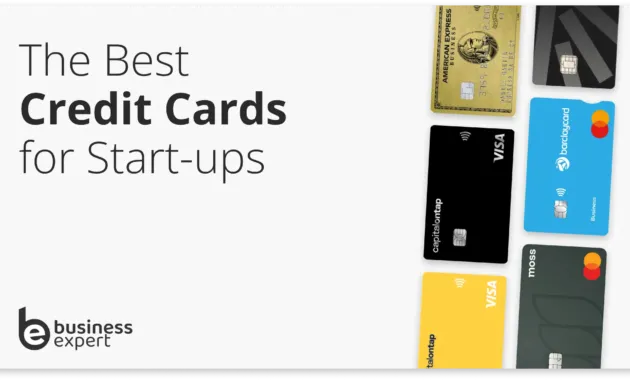
The following selection reflects a balance of low fees, strong rewards, and robust reporting. Each card is suitable for different spend profiles and growth stages.
- Chase Ink Business Unlimited® – 1.5% cash back on all purchases, no annual fee, and a 0% intro APR for 12 months. The card reports to major business credit bureaus and integrates with Chase’s expense tools. For detailed login instructions, see the guide on Unlock Seamless Access: The Ultimate Guide to Chase Credit Card Login.
- American Express Blue Business Cash™ Card – 2% cash back on up to $50,000 in combined purchases each year, then 1%. No annual fee and flexible payment options.
- Capital One Spark Cash Select for Business – 1.5% unlimited cash back, no annual fee for the first year, and a straightforward rewards redemption process.
- Bank of America Business Advantage Travel Rewards World Mastercard® – 1.5 points per $1 on all purchases, ideal for startups with frequent travel needs.
- CitiBusiness® / AAdvantage® Platinum Select® Mastercard – Earn miles on travel and everyday spend, with a modest annual fee offset by travel perks.
How to Apply Effectively
When applying, gather the following documentation:
- Business legal name, structure, and EIN.
- Personal identification and Social Security Number of the principal owner.
- Recent bank statements and revenue projections.
- Operating address and contact information.
Submitting a complete packet reduces back‑and‑forth with the issuer and speeds up the approval timeline. Many issuers also allow online applications that provide instant decisions for qualified candidates.
Managing the Card: Best Practices for Startups

Acquiring a card is only the first step. Ongoing management determines whether the card becomes a growth catalyst or a financial burden.
Automate Payments and Avoid Interest
Set up automatic full‑balance payments each month. This habit eliminates interest charges and safeguards the business’s credit score. For a step‑by‑step guide, refer to How to Set Up Autopay for Your Credit Card in Minutes – A Complete Guide.
Monitor Spending by Category
Regularly review the monthly statement to ensure spend aligns with the reward structure. If a particular category no longer dominates expenses, consider switching to a card that offers higher returns in the new dominant category.
Leverage Employee Cards Wisely
Many business cards allow additional employee cards with customizable limits. Assign cards based on departmental needs and track each employee’s spend separately. This approach simplifies reimbursements and provides granular insight into cost centers.
Watch for Hidden Costs
Some cards impose foreign transaction fees, late payment penalties, or cash advance charges. Understanding these fees helps avoid unexpected expenses that could erode the card’s benefits.
Pitfalls to Avoid and How to Protect Your Credit Profile

Even well‑intentioned use can lead to credit setbacks if mismanaged. Below are common mistakes and preventive steps.
Carrying a High Balance
Utilizing more than 30% of the credit limit can signal risk to lenders, potentially lowering the business’s credit score. Keep utilization low, especially during the first 12 months while the credit history is still thin.
Closing the Card Prematurely
Shutting down a card before it has contributed to a robust credit history can negatively affect the credit profile. The article The Surprising Impact of Closing a Credit Card Account on Your Financial Profile explains how premature closures reduce average account age and increase utilization ratios.
Mixing Personal and Business Expenses
Combining personal spend with business purchases blurs the financial picture and can complicate tax reporting. Maintain clear separation by using only the business card for company-related transactions.
Neglecting to Review Card Terms Annually
Card issuers may modify reward rates, fees, or terms after the first year. Conduct an annual review to ensure the card still delivers value relative to the startup’s evolving needs.
By staying vigilant, founders can preserve a healthy credit trajectory and keep the business card as a strategic asset rather than a liability.
In summary, a business credit card offers startups a versatile tool for managing cash flow, earning rewards, and building credit. Selecting the right card involves assessing interest rates, reward alignment, reporting practices, and expense‑management features. Once a card is in place, disciplined use—automated payments, regular monitoring, and avoidance of common pitfalls—ensures the card fuels growth rather than hindering it. With thoughtful selection and diligent management, a business credit card can become a cornerstone of a startup’s financial foundation, supporting its journey from fledgling venture to thriving enterprise.