![The Best 0% APR Balance Transfer Cards [2021] - Help Me Build Credit](https://blog.avaller.com/wp-content/uploads/2026/01/the-best-0-apr-balance-transfer-cards-2021-help-me-build-credit.webp)
Table of Contents
- What Is a 0% APR Balance Transfer?
- Key Elements of the Offer
- Why Consider a Balance Transfer?
- How to Evaluate the Best 0% APR Balance Transfer Credit Card Offers
- 1. Length of the Promotional Period
- 2. Transfer Fees
- 3. Ongoing APR After Promotion
- 4. Credit Score Requirements
- 5. Additional Card Benefits
- Top Current 0% APR Balance Transfer Credit Card Offers (as of 2026)
- Step‑By‑Step Guide to Executing a Balance Transfer
- Step 1: Verify Eligibility and Credit Limit
- Step 2: Gather Account Information
- Step 3: Initiate the Transfer
- Step 4: Pay Transfer Fees
- Step 5: Continue Paying the Original Card
- Step 6: Set Up a Repayment Plan
- Common Pitfalls and How to Avoid Them
- Missing the Transfer Deadline
- Incurring New Purchases on the Transfer Card
- Overlooking the End‑Date APR Spike
- Ignoring the Impact on Credit Utilization
- Assuming No Fees Means No Cost
- Strategic Tips to Maximize Savings
- 1. Prioritize High‑Interest Debt
- 2. Combine With a Budgeting System
- 3. Leverage Rewards Wisely
- 4. Re‑Evaluate After the Promotional Period
- 5. Keep an Emergency Fund Separate
- Impact of Balance Transfers on Your Credit Score
- When a 0% APR Balance Transfer Isn’t the Right Move
- Future Trends in Balance Transfer Offers
When the phrase “0% APR balance transfer” appears on a credit card offer, it often feels like a beacon for anyone looking to reduce debt quickly. The allure of paying no interest on transferred balances for a set period can transform a stressful financial situation into a manageable plan. Yet, the true power of these offers lies not only in the zero‑percent rate but also in the nuances of terms, fees, and timing that determine whether the strategy succeeds or falls short.
Understanding the mechanics behind 0 APR balance transfer credit card offers requires a blend of basic credit knowledge and strategic foresight. This article walks you through the essential components—eligibility, fee structures, promotional periods, and repayment tactics—while weaving in real‑world examples and actionable tips. By the end, you’ll have a clear roadmap for selecting the right card, executing the transfer efficiently, and staying on track to eliminate high‑interest debt without surprise costs.
What Is a 0% APR Balance Transfer?
![The Best 0% APR Balance Transfer Cards [2021] - Help Me Build Credit](https://blog.avaller.com/wp-content/uploads/2026/01/the-best-0-apr-balance-transfer-cards-2021-help-me-build-credit-630x380.webp)
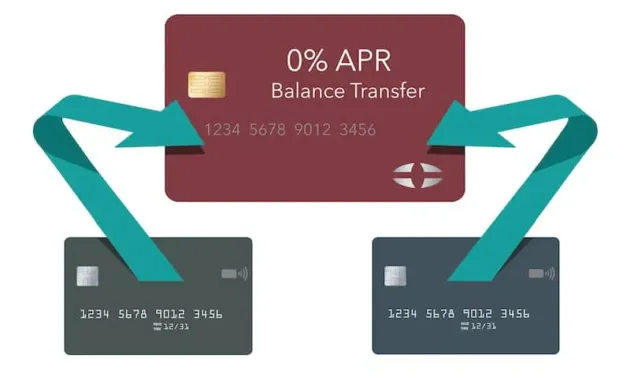
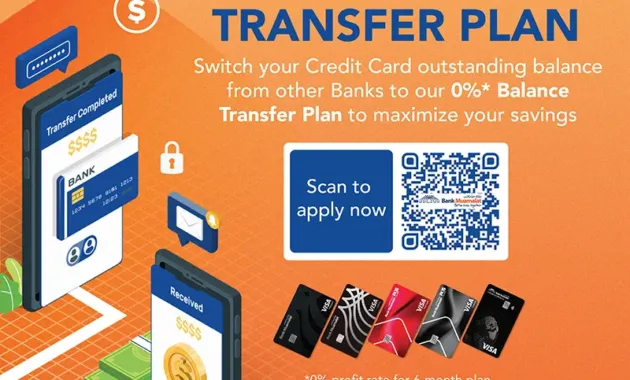
A 0% APR balance transfer is a promotional feature that allows cardholders to move existing credit‑card balances onto a new card and enjoy an interest‑free period, typically ranging from 6 to 21 months. During this window, any transferred amount does not accrue interest, effectively pausing the debt’s growth and giving the borrower time to pay down the principal.
Key Elements of the Offer
- Promotional APR: The advertised 0% interest applies only to balances transferred during the promotional window. New purchases may carry a different rate.
- Duration: Length varies by issuer; longer periods provide more breathing room but may come with higher fees.
- Balance Transfer Fee: Most cards charge a fee of 3%–5% of the transferred amount, which can offset some of the interest savings.
- Credit Limit: The amount you can transfer is limited by your approved credit line on the new card.
Why Consider a Balance Transfer?
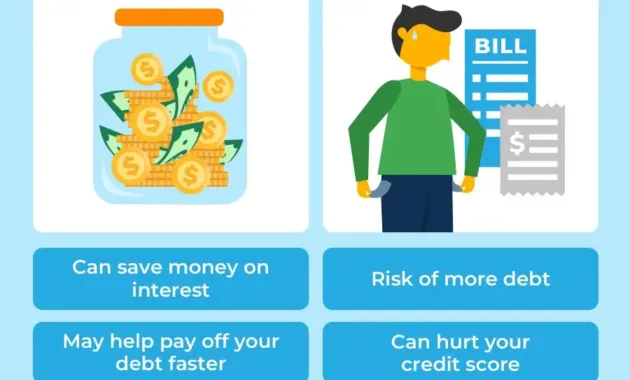
Transferring a balance can be a strategic move to lower overall borrowing costs, especially when the current card carries an APR of 15% or higher. By consolidating debt onto a single card with a 0% promotional rate, borrowers simplify payments and potentially accelerate debt payoff.
For a deeper dive into the motivations behind balance transfers, see our guide on Why Consider a Balance Transfer?, which outlines scenarios where this tactic shines.
How to Evaluate the Best 0% APR Balance Transfer Credit Card Offers

Choosing the right card involves comparing more than just the headline “0% APR.” Below are the critical factors to assess:
1. Length of the Promotional Period
A longer interest‑free window gives you extra time to chip away at the balance. However, a longer term may accompany a higher balance transfer fee, so weigh the total cost.
2. Transfer Fees
Even a modest 3% fee can add up. For example, moving a $5,000 balance with a 3% fee costs $150. Calculate whether the interest you avoid exceeds this upfront cost.
3. Ongoing APR After Promotion
Once the promotional period ends, the standard APR can jump to 18%–25%. Knowing this rate helps you decide whether you’ll be able to pay off the balance before the promotion expires.
4. Credit Score Requirements
Most 0% APR offers target consumers with good to excellent credit (typically 680+). If your score is lower, you may qualify for a shorter promotional term or a higher fee.
5. Additional Card Benefits
Some cards bundle rewards, purchase protection, or travel perks alongside the balance‑transfer feature. While these benefits can add value, ensure they don’t distract from the primary goal of debt reduction.
For readers interested in complementary perks, the article Unlock Hidden Safety: How Credit Cards with Purchase Protection Can Save Your Wallet provides insight into how such features work.
Top Current 0% APR Balance Transfer Credit Card Offers (as of 2026)

The market evolves quickly, but several issuers consistently provide competitive terms. Below is a snapshot of notable offers, highlighting promotional length, fees, and eligibility.
- Card A – 21‑Month Intro APR: 0% APR for 21 months on balance transfers, 3% fee (minimum $5). Standard APR after promotion: 19.99%.
- Card B – 18‑Month Intro APR: 0% APR for 18 months, 0% fee on transfers up to $2,500 (5% thereafter). Standard APR: 21.49%.
- Card C – 12‑Month Intro APR: 0% APR for 12 months, 4% fee. Offers a $200 statement credit after the first $1,000 transferred.
- Card D – 15‑Month Intro APR: 0% APR for 15 months, 3% fee, and includes a rewards program earning 1.5% cash back on all purchases.
- Card E – 18‑Month Intro APR with No Fee: 0% APR for 18 months on balances transferred within the first 60 days, 0% fee (subject to credit approval). Standard APR: 22.99%.
Step‑By‑Step Guide to Executing a Balance Transfer
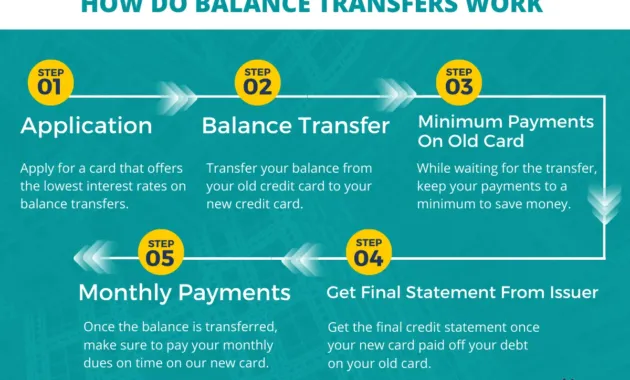
Even with an attractive offer, the transfer process can be tricky if you miss a detail. Follow this structured approach to ensure a smooth transition.
Step 1: Verify Eligibility and Credit Limit
Check your credit score and request a pre‑approval amount if available. Confirm that the new limit covers the balance you intend to move, remembering that some issuers apply a utilization ceiling (e.g., 80% of the limit).
Step 2: Gather Account Information
Collect the account numbers, current balances, and the issuing banks’ transfer addresses. Having this data ready speeds up the submission.
Step 3: Initiate the Transfer
Most issuers allow you to start the transfer online, via phone, or by mailing a balance‑transfer form. Choose the method that provides a confirmation number for tracking.
Step 4: Pay Transfer Fees
The fee is typically added to the transferred balance or charged as a separate transaction. Verify how your card handles it to avoid surprise interest accrual.
Step 5: Continue Paying the Original Card
Do not cancel the old account until the transfer is confirmed and the balance shows as zero. Some issuers may reject the transfer if the original card is closed prematurely.
Step 6: Set Up a Repayment Plan
Divide the transferred amount by the number of months in the promotional period to determine a realistic monthly payment. Automate payments to avoid missed due dates.
If you ever need to replace a lost or damaged card during this process, the guide How to Request a Credit Card Replacement Without Hassle – The Complete Guide explains the steps to maintain continuity.
Common Pitfalls and How to Avoid Them
Even well‑planned transfers can be derailed by oversight. Here are typical mistakes and preventive actions.
Missing the Transfer Deadline
Most promotions require that the balance be transferred within the first 60 days of account opening. Mark the deadline on your calendar and initiate the transfer early.
Incurring New Purchases on the Transfer Card
New purchases often accrue interest immediately, unless the card offers a separate 0% purchase APR. Keep spending on a different card to preserve the interest‑free advantage.
Overlooking the End‑Date APR Spike
If the balance isn’t paid off before the promotional period ends, the remaining amount will be subject to the regular APR, which can be substantially higher. Set a reminder a month before the promotion expires.
Ignoring the Impact on Credit Utilization
Opening a new card can improve your overall credit limit, lowering utilization, but a high balance on the new card may temporarily raise your utilization ratio. Aim to keep the transferred balance below 30% of the new limit.
Assuming No Fees Means No Cost
Zero‑fee offers may still involve other charges, such as late‑payment penalties or annual fees. Review the card’s full terms sheet to ensure there are no hidden costs.
Strategic Tips to Maximize Savings

Beyond avoiding pitfalls, you can actively boost the benefits of a 0% APR balance transfer.
1. Prioritize High‑Interest Debt
Transfer the balances with the highest APR first. The interest saved on a 20% loan versus a 15% loan is significantly larger, accelerating overall debt reduction.
2. Combine With a Budgeting System
Use a zero‑based budget or the 50/30/20 rule to allocate a fixed portion of income toward the transferred balance each month. Consistency beats occasional large payments.
3. Leverage Rewards Wisely
If your transfer card offers cash‑back or points, use them for essential purchases only, and immediately redeem them to offset any fees.
4. Re‑Evaluate After the Promotional Period
When the 0% term ends, assess whether you can refinance again with another 0% offer or whether it’s better to continue paying the regular APR while focusing on other financial goals.
5. Keep an Emergency Fund Separate
A dedicated savings cushion prevents you from resorting to new credit cards for unexpected expenses, preserving the zero‑interest advantage for the transferred debt.
Impact of Balance Transfers on Your Credit Score
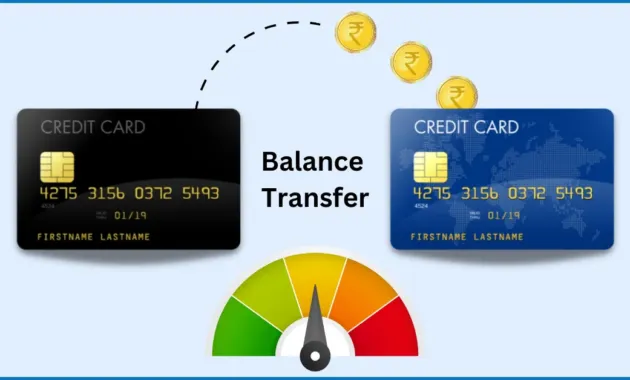
Balance transfers affect credit scores in several ways. Opening a new account can increase total available credit, which may lower your credit utilization ratio—a positive signal to scoring models. However, a hard inquiry during the application process can cause a small, temporary dip. Additionally, carrying a large balance on the new card can raise utilization if not managed carefully.
For a broader understanding of credit limits and how they are determined, refer to What Is a Credit Limit and How Is It Determined? The Insider’s Guide to Unlocking Your Buying Power.
When a 0% APR Balance Transfer Isn’t the Right Move
Although tempting, balance transfers may not suit every financial situation. Consider alternatives if:
- You have a short-term cash flow issue that can be solved with a personal loan at a lower fixed rate.
- Your credit score is below the typical threshold, resulting in high fees or short promotional periods.
- You anticipate needing the new card’s credit line for upcoming large purchases, which could trigger interest on those purchases.
In such cases, exploring a personal loan, a debt‑management plan, or negotiating directly with the current creditor may be more effective.
Future Trends in Balance Transfer Offers
Credit card issuers continuously tweak promotional structures to attract borrowers. Emerging trends include:
- Longer Introductory Periods: Some cards now extend 0% APR to 24 months, appealing to consumers aiming for multi‑year payoff plans.
- Zero‑Fee Transfers: Competitive markets are driving issuers to eliminate transfer fees for select customers, especially those with strong credit profiles.
- Hybrid Promotions: Combining 0% APR on both purchases and balance transfers for a limited time, offering greater flexibility.
- Digital‑First Applications: Faster approvals via mobile apps, allowing instant transfer initiation without paperwork.
Staying informed about these shifts helps you seize the best opportunities when they arise.
By evaluating each element—fees, duration, credit requirements, and post‑promo rates—you can select a 0% APR balance transfer credit card that aligns with your debt‑repayment timeline and financial goals. Execute the transfer methodically, monitor your repayment progress, and avoid common missteps to ensure the interest‑free window truly works in your favor. When managed correctly, a balance transfer can be a powerful tool for cutting costs, simplifying finances, and moving closer to a debt‑free future.