Table of Contents
- How Credit Card Phone Protection Works
- Eligibility and Registration
- Coverage Limits and Exclusions
- Major Credit Cards Offering Phone Protection
- Chase Sapphire Reserve®
- American Express® Platinum Card
- Discover it® Miles
- Citibank® Prestige Card
- Cost-Benefit Analysis: Is the Insurance Worth It?
- Step 1: Estimate Your Device’s Replacement Value
- Step 2: Calculate the Effective Cost of Coverage
- Step 3: Factor in Claim Frequency
- Step 4: Compare Against Stand‑Alone Insurance
- Practical Tips for Maximizing Your Phone Protection
- Register Promptly and Keep Documentation
- Understand the Claim Process
- Leverage Additional Card Benefits
- Regularly Review Policy Updates
- Real‑World Experiences: What Cardholders Are Saying
- Integrating Phone Protection With Broader Financial Strategies
- Future Trends: What to Expect From Card‑Based Phone Insurance
Cell phones have become indispensable tools for communication, work, and entertainment, yet their price tags and vulnerability to damage make them a significant financial risk. Many consumers turn to dedicated insurance plans, but an increasingly popular alternative is the cell phone protection insurance offered directly through credit cards. This feature, often tucked into the benefits package of premium cards, promises reimbursement or repair for accidental damage, theft, or loss, effectively turning a routine purchase into a safety net.
Understanding how these card‑linked insurance policies function, their limitations, and the true value they deliver requires a closer look at the terms, costs, and real‑world experiences of cardholders. By examining the mechanics of the coverage, comparing major issuers, and offering practical tips for maximizing benefits, this article aims to equip readers with a clear roadmap for deciding whether a credit‑card‑based phone insurance is the right choice for their needs.
How Credit Card Phone Protection Works
Most credit card phone protection plans activate automatically when you use the card to purchase a qualifying device. The activation window typically ranges from 30 to 90 days after purchase, during which you must register the phone with the issuer’s insurance portal. Once registered, the coverage generally includes:
- Accidental damage (cracked screens, water damage, etc.)
- Theft or loss, subject to a deductible
- Mechanical or electrical failure not covered by the manufacturer’s warranty
Claims are processed through the card issuer’s third‑party insurer, and reimbursements are issued either as a replacement device, a repair voucher, or a cash payment minus the deductible. The deductible amount varies by card, often ranging from $50 to $250, and must be paid by the cardholder before the insurer covers the remaining cost.
Eligibility and Registration
Eligibility criteria are straightforward: the phone must be purchased with the eligible card, and the cardholder must be the primary account holder. Registration usually requires the device’s IMEI or serial number, a copy of the purchase receipt, and sometimes a photo of the device. Failure to register within the stipulated window can void the coverage entirely.
Coverage Limits and Exclusions
While the promise of “full coverage” sounds appealing, most policies impose limits:
- Maximum payout: Typically capped at the original purchase price or a percentage thereof.
- Frequency of claims: Some cards allow only one claim per year or per device.
- Exclusions: Intentional damage, cosmetic wear, and certain high‑risk activities (e.g., using the phone while diving) are often excluded.
Major Credit Cards Offering Phone Protection
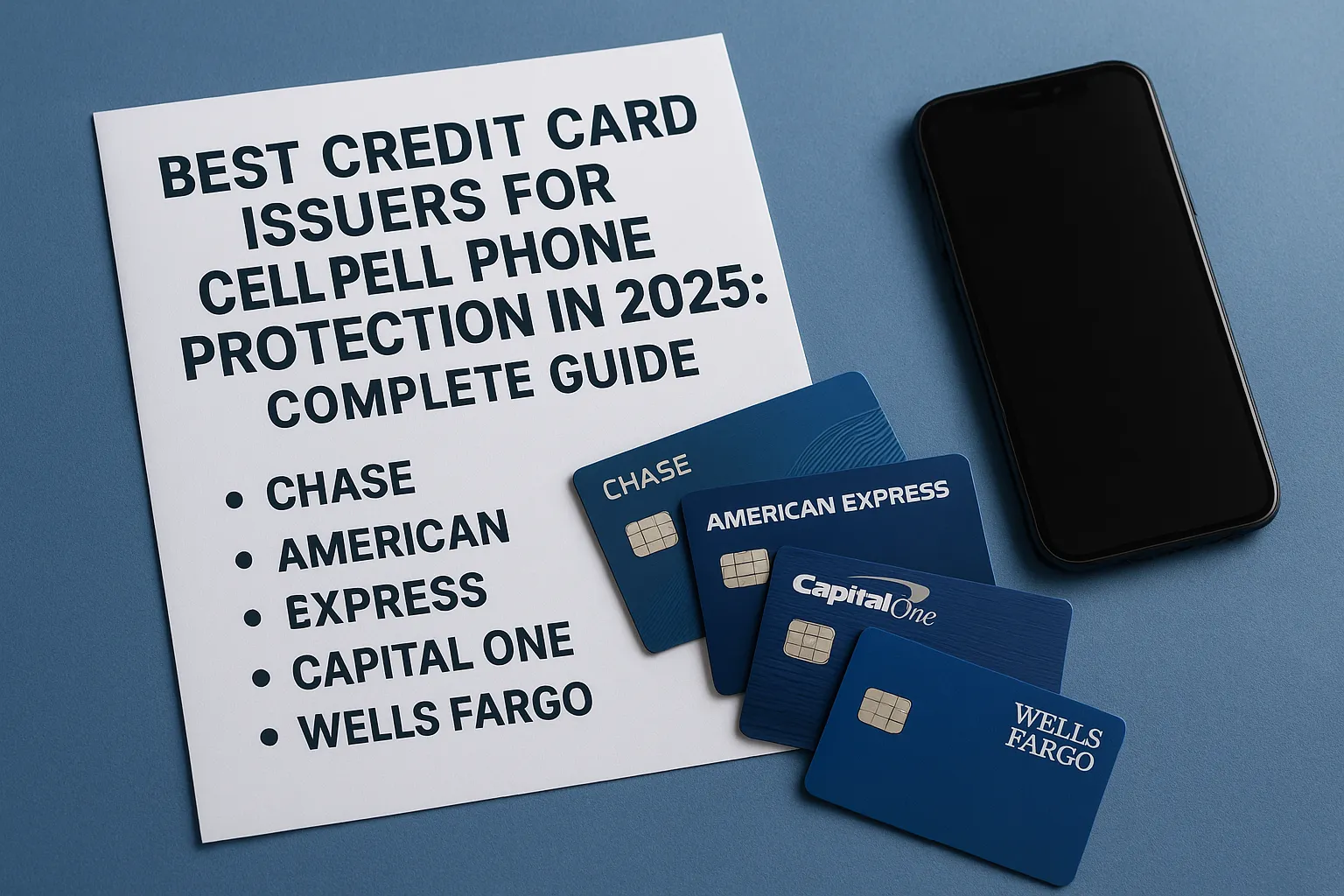
Several leading issuers have incorporated phone protection into their premium cards. Below is a snapshot of the most prominent programs, their key features, and the annual fee associated with each card.
Chase Sapphire Reserve®
- Annual fee: $550
- Coverage: Up to $1,500 per incident, with a $100 deductible.
- Claims limit: Two claims per 12‑month period.
- Additional perks: Travel insurance, lounge access, and 3X points on travel and dining.
American Express® Platinum Card
- Annual fee: $695
- Coverage: Up to $2,000 per claim, $150 deductible.
- Claims limit: One claim per calendar year for phones.
- Additional perks: Airport lounge access, airline fee credits, and concierge service.
Discover it® Miles
- Annual fee: $0
- Coverage: Up to $500 per claim, $50 deductible.
- Claims limit: Unlimited claims, but each claim must be for a different device.
- Additional perks: 1.5 miles per dollar on all purchases, no foreign transaction fees.
Citibank® Prestige Card
- Annual fee: $495
- Coverage: Up to $1,250 per incident, $100 deductible.
- Claims limit: Two claims per 12‑month period.
- Additional perks: Global Entry/TSA PreCheck credit, travel and purchase protection.
Cost-Benefit Analysis: Is the Insurance Worth It?
Evaluating the value of credit‑card‑linked phone insurance involves comparing the cost of the annual fee (or a separate optional insurance premium) against the potential out‑of‑pocket expense of repairing or replacing a device. Consider the following framework:
Step 1: Estimate Your Device’s Replacement Value
High‑end smartphones often exceed $1,000, while mid‑range models range between $400 and $700. Use the manufacturer’s MSRP as a baseline, adjusting for depreciation if you plan to keep the phone for more than two years.
Step 2: Calculate the Effective Cost of Coverage
Divide the annual fee by the number of devices you own that could be covered. For a single phone, the effective cost equals the full annual fee. Add the deductible to this figure, as it is the amount you will pay on each claim.
Step 3: Factor in Claim Frequency
If you anticipate more than one claim in a year, the deductible and claim limits become critical. For example, a card allowing two claims per year with a $100 deductible each may be advantageous for a user prone to accidental drops.
Step 4: Compare Against Stand‑Alone Insurance
Third‑party providers like AppleCare+ or Samsung Premium Care charge per device, often ranging from $199 to $299 annually, plus a per‑incident deductible of $29‑$99. If your card’s annual fee is higher than the standalone premium and offers similar coverage, the added travel or purchase benefits may justify the expense.
Practical Tips for Maximizing Your Phone Protection

Even with robust coverage, the best outcomes arise from proactive management. Below are actionable steps to ensure you receive full benefits while minimizing hassle.
Register Promptly and Keep Documentation
Register the phone within the issuer‑specified window (often 30 days). Store a digital copy of the purchase receipt, the registration confirmation email, and the device’s IMEI number in a secure cloud folder. This preparation streamlines claim filing.
Understand the Claim Process
Most issuers require you to file a claim through an online portal or mobile app. Be ready to upload:
- Proof of purchase (receipt or invoice)
- Photos of the damage
- A police report for theft (some insurers demand it)
Following the exact steps reduces the likelihood of claim denial.
Leverage Additional Card Benefits
Many premium cards bundle purchase protection, extended warranties, and return protection that can complement phone insurance. For instance, a card may cover accidental damage for up to 90 days even before the dedicated phone protection activates, offering an extra safety net.
Regularly Review Policy Updates
Card issuers can modify coverage terms, deductibles, or claim limits annually. Set a calendar reminder to review your card’s benefits statement each year, especially before renewing the card or making a new phone purchase.
Real‑World Experiences: What Cardholders Are Saying

Feedback from users provides insight into the practical strengths and weaknesses of card‑based phone insurance. A recurring theme is the speed of claim resolution. Cardholders of the Chase Sapphire Reserve report average turnaround times of 5‑7 business days for a replacement device, whereas users of the Discover it® Miles note that the claim process can extend to two weeks, partly due to the need for third‑party verification.
Another common observation involves the deductible. Some members find the $150 deductible on the American Express Platinum to be steep relative to the $100 deductible on the Citibank® Prestige, especially when repairing a screen that costs $120. However, the higher deductible often correlates with a higher maximum payout, which can be advantageous for flagship phones.
Overall, satisfaction appears linked to the clarity of the policy language. Cards that provide a concise, easy‑to‑understand summary—often available via the issuer’s mobile app—receive higher praise than those that bury critical exclusions in dense legal text.
Integrating Phone Protection With Broader Financial Strategies

When selecting a credit card, the phone protection benefit should be weighed alongside other rewards and cost factors. For consumers already paying a high annual fee for travel perks, the added insurance may be a marginal benefit that tips the scales toward a particular card.
For example, if you are evaluating options for a new travel‑focused card, the Ultimate 2026 Credit Card Playbook outlines how cards with strong travel credits and complimentary phone protection can deliver combined value that exceeds the sum of their parts. Conversely, if your primary goal is to minimize fees, a no‑annual‑fee card like Discover it® Miles offers modest protection that may suffice for a mid‑range device, while still providing cash‑back rewards.
Another strategic angle involves leveraging the phone protection as part of a broader risk‑management portfolio. Pairing a card’s insurance with a separate third‑party policy can create layered coverage, ensuring that if one provider reaches its claim limit, the other can step in. However, be mindful of duplicate reimbursements, which many insurers disallow.
Future Trends: What to Expect From Card‑Based Phone Insurance

As smartphones become more integral to daily life, issuers are likely to enhance their protection offerings. Anticipated developments include:
- Dynamic deductibles: Adjusting deductible amounts based on the device’s age or price.
- Real‑time claim filing: Using AI‑driven chatbots within banking apps to expedite the filing process.
- Integration with device health data: Accessing diagnostic information from the phone to verify damage cause.
- Bundled cyber‑security services: Extending coverage to include data breach assistance and identity theft protection.
These innovations aim to make the insurance experience smoother and more responsive, potentially increasing the appeal of card‑linked protection for a broader audience.
In summary, credit cards that bundle cell phone protection insurance present a convenient alternative to standalone policies, especially for users who already benefit from premium card perks. By carefully assessing the coverage limits, deductibles, claim frequency, and overall cost relative to a device’s value, consumers can determine whether the built‑in insurance aligns with their financial priorities. Proper registration, diligent documentation, and periodic policy reviews further ensure that the protection works as intended when an unexpected incident occurs. Ultimately, the decision rests on balancing the card’s annual fee against the peace of mind offered by a seamless, integrated insurance solution.