
Table of Contents
- Understanding Your Current APR and Its Components
- Check Your Statement and Online Account
- Identify the Type of APR
- Negotiating Directly with Your Issuer
- Gather Supporting Evidence
- Timing the Call
- The Script
- Leveraging Balance Transfer Offers
- Finding the Right Offer
- Calculating the True Savings
- Executing the Transfer
- Improving Your Credit Profile to Earn Lower Rates
- Reduce Credit Utilization
- Correct Errors on Your Credit Report
- Build Positive Payment History
- Using Promotional Programs and Rewards to Offset Interest
- Cash‑Back and Statement Credits
- No‑Foreign‑Transaction‑Fee Cards for Travelers
- Reward Point Redemption for Balance Pay‑Off
- Monitoring and Maintaining Lower Rates Over Time
- Set Up Rate‑Change Alerts
- Re‑Negotiate Annually
- Consider Consolidation if Rates Remain High
When the phrase “lower credit card interest rate” appears on your screen, it often triggers a mix of hope and skepticism. Many consumers wonder whether the banks will actually listen, or if they are stuck with the APR that was set when they first opened the account. The reality, however, is that a combination of preparation, timing, and strategic actions can often persuade issuers to reduce the rate you pay. In this article we walk through a step‑by‑step story of a typical cardholder—let’s call her Maya—who managed to shave several percentage points off her APR, and we show how you can replicate her success.
Maya’s journey began when she noticed her monthly finance charge climbing despite making consistent payments. She realized that the high interest rate was eroding her ability to pay down the principal. After a quick review of her credit report and a few phone calls, Maya discovered that the interest rate she was paying was not set in stone. This narrative will follow her actions, explain the underlying principles, and give you concrete tools to lower your own credit card interest rate.
Before diving into the tactics, it’s helpful to understand why interest rates vary, what factors issuers consider, and where the negotiation leverage lies. Armed with that knowledge, you’ll be ready to approach your bank with confidence.
Understanding Your Current APR and Its Components
The first step in any effort to lower an interest rate is to know exactly what you’re dealing with. Credit card APRs are typically presented as a range—for example, 15.99%–24.99%—with your specific rate determined by your creditworthiness at the time of application.
Check Your Statement and Online Account
- Locate the annual percentage rate (APR) listed on your most recent statement.
- Log into your online account management portal to verify the rate shown in the account details section.
- Note any promotional or introductory rates that may be expiring soon.
Identify the Type of APR
- Purchase APR – applies to everyday purchases.
- Balance transfer APR – may differ from the purchase APR.
- Cash advance APR – usually the highest.
Understanding which APR you are paying helps you target the right negotiation angle. For example, if the purchase APR is high but you rarely carry a balance, you might focus on the balance transfer APR to reduce costs when you move balances.
Negotiating Directly with Your Issuer

Many cardholders assume that banks are unwilling to budge on rates, but the data tells a different story. Issuers are motivated to retain good customers, especially those who pay on time and use the card regularly. Maya’s first call was simple: she asked for a lower rate. The key was preparation.
Gather Supporting Evidence
- Recent credit score (a score of 700+ signals low risk).
- Proof of on‑time payment history (download statements from the online portal).
- Offers from competitor cards with lower APRs (the 2026 credit card playbook provides several examples).
Timing the Call
Contact the issuer during regular business hours, preferably early in the week, when representatives have more flexibility. Mention any upcoming promotional expirations to add urgency.
The Script
“Hello, I’ve been a loyal cardholder for X years, and I’ve consistently paid my balance in full. I’ve noticed that my current purchase APR is Y%, which is higher than the rates I’m seeing on comparable cards. I’d like to discuss the possibility of lowering my rate to Z%.”
Most agents will ask to check your account and may offer a modest reduction—often 1–2 percentage points. If the first offer isn’t satisfactory, politely ask to speak with a supervisor. Persistence can lead to a better outcome, especially if you demonstrate that you have alternatives.
Leveraging Balance Transfer Offers
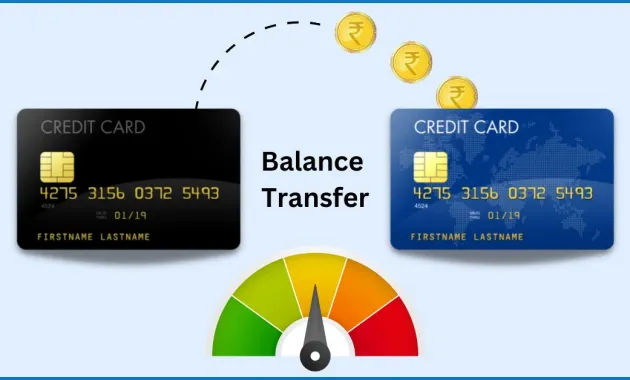
Balance transfers are a powerful tool for reducing interest costs, particularly when you have a large existing balance. Maya used a 0% introductory balance transfer offer to move $5,000 from a high‑APR card to a new card that offered a 12‑month interest‑free period.
Finding the Right Offer
- Look for cards with 0% APR for at least 12–18 months on balance transfers.
- Check the balance transfer fee (typically 3%–5% of the transferred amount).
- Ensure the credit limit on the new card can accommodate the amount you wish to transfer.
Calculating the True Savings
Compare the interest you would have paid on the original card with the sum of the balance transfer fee and any remaining interest after the promotional period ends. If the net savings exceed the fee, the transfer makes financial sense.
Executing the Transfer
Initiate the transfer through your new card’s online portal, and confirm that the old balance is fully paid off. Keep the old card open (with a $0 balance) to maintain your credit utilization ratio, which supports a healthy credit score.
Improving Your Credit Profile to Earn Lower Rates
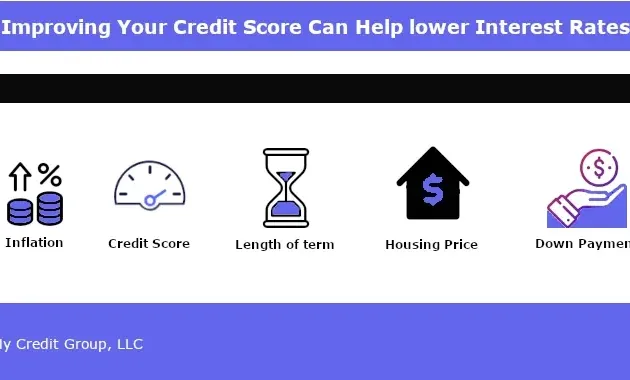
A lower credit score is often the root cause of a high APR. By improving key components of your credit profile, you can qualify for better rates without needing to negotiate.
Reduce Credit Utilization
- Pay down balances to keep utilization below 30% of your total credit limits.
- Request a credit limit increase (if you have a solid payment history).
Correct Errors on Your Credit Report
Obtain a free copy of your credit report from each of the three major bureaus. Dispute any inaccuracies that may be dragging your score down.
Build Positive Payment History
Set up automatic payments for at least the minimum due, and aim to pay the full balance whenever possible. Over time, this demonstrates reliability to lenders, which can result in lower APR offers.
Using Promotional Programs and Rewards to Offset Interest
Even if you cannot secure a lower APR immediately, certain card programs can effectively reduce the cost of borrowing.
Cash‑Back and Statement Credits
Some cards offer cash‑back that can be applied as a statement credit. By directing this credit toward the finance charge, you lower the net interest you pay.
No‑Foreign‑Transaction‑Fee Cards for Travelers
If you travel frequently, switching to a card with no foreign transaction fees can save up to 3% per purchase abroad. This reduction, combined with a lower APR, compounds the savings. The article 7 Must‑Know Secrets About No Foreign Transaction Fee Cards explains how to choose the best option.
Reward Point Redemption for Balance Pay‑Off
Some issuers allow you to redeem points for statement credits. Converting points into a credit that covers part of your balance can reduce the amount on which interest accrues.
Monitoring and Maintaining Lower Rates Over Time
Securing a lower interest rate is not a one‑time event; it requires ongoing vigilance.
Set Up Rate‑Change Alerts
- Enable email or SMS alerts from your issuer for any rate adjustments.
- Periodically review your account to ensure the agreed‑upon rate remains in place.
Re‑Negotiate Annually
Each year, as your credit score improves or as market rates shift, contact your issuer to ask for a further reduction. Banks often have internal policies that allow for periodic rate reviews for loyal customers.
Consider Consolidation if Rates Remain High
If repeated negotiations fail, a personal loan with a fixed lower interest rate can be a viable alternative. Use the loan to pay off the credit card balances, then focus on paying down the loan on a set schedule.
By following the steps outlined above, you can transition from a high‑interest burden to a more manageable repayment plan. Maya’s experience shows that persistence, preparation, and a clear understanding of the tools at your disposal make a tangible difference. Whether you choose to negotiate directly, leverage balance transfer offers, or improve your credit profile, each approach contributes to a lower cost of borrowing. Take the first step today, and watch your financial flexibility grow.