Table of Contents
- How Secured Cards Work and Why They Matter
- Key Benefits of the Secured-to-Unsecured Model
- When Does the Upgrade Typically Occur?
- Top 7 Secured Cards That Graduate to Unsecured
- 1. Discover it® Secured Credit Card
- 2. Capital One Platinum Secured Credit Card
- 3. Citi® Secured Mastercard®
- 4. US Bank Secured Card®
- 5. Bank of America® Secured Credit Card
- 6. Wells Fargo Secured Credit Card
- 7. OpenSky® Secured Visa® Credit Card
- Steps to Accelerate Your Graduation
- Maintain a Low Credit Utilization Ratio
- Pay On‑Time, Every Time
- Monitor Your Credit Regularly
- Request a Review Proactively
- Leverage Digital Summaries for Accuracy
- Understanding the Legal Side of Card Upgrades
- Comparing Fees, APRs, and Rewards
- Real‑World Timeline: From Deposit to Unsecured
- Frequently Overlooked Tips
Finding a credit card that helps you rebuild or establish credit without the risk of high debt can feel like navigating a maze. Secured credit cards that graduate to unsecured have emerged as a reliable compass for many consumers, offering a safety net while paving the way toward full credit freedom. This article follows the journey of several cards, illustrating how they evolve from a guarded start to a fully unsecured standing, and provides actionable tips to ensure the transition is smooth and beneficial.
Imagine a young professional, Maya, who just moved out of her parents’ house. She needs a credit card to pay rent and utilities, but her credit score is still a blank slate. Maya applies for a secured card, deposits $500, and begins using it responsibly. Within a year, her card issuer notices her disciplined payment history and upgrades her to an unsecured card, eliminating the need for that deposit. Maya’s story is not unique; many card issuers design products with this exact graduation path in mind.
The following sections break down the mechanics, list the best cards that offer this upgrade, and outline the steps you can take to accelerate the process. Along the way, you’ll find practical advice on managing credit limits, understanding legal nuances, and leveraging digital tools to keep your finances in check.
How Secured Cards Work and Why They Matter
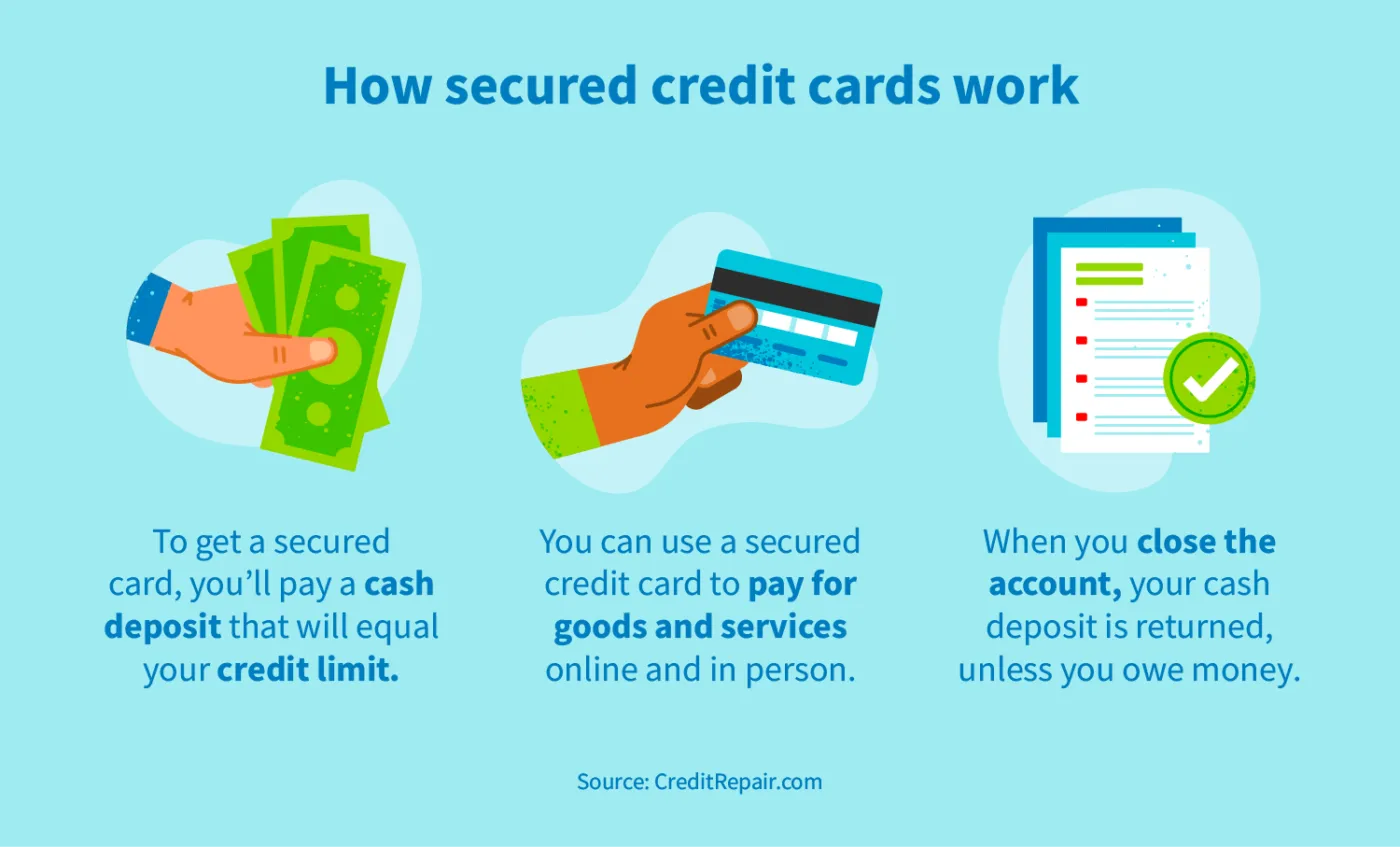
A secured credit card requires a cash deposit that typically becomes your credit limit. This deposit protects the issuer against default while giving the cardholder a chance to demonstrate responsible usage. Over time, as the cardholder’s payment behavior proves reliable, many issuers review the account and may transition it to an unsecured product, returning the deposit.
Key Benefits of the Secured-to-Unsecured Model
- Credit Building: Regular, on‑time payments are reported to the major credit bureaus, helping you establish or repair credit.
- Risk Management: The deposit limits potential loss for both the issuer and the consumer.
- Potential for Upgrade: After a period of good behavior, the card can become unsecured, freeing up the deposited funds.
When Does the Upgrade Typically Occur?
Most issuers evaluate accounts after 6‑12 months of consistent activity. Factors include payment punctuality, credit utilization (ideally below 30%), and overall financial behavior. Some issuers automatically graduate cards, while others require a request.
Top 7 Secured Cards That Graduate to Unsecured
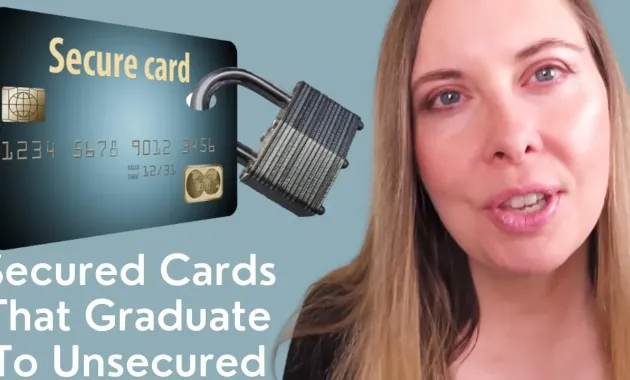
Below is a curated list of cards that have proven track records of graduating accounts. Each entry includes the deposit requirement, graduation timeline, and notable features that set it apart.
1. Discover it® Secured Credit Card
- Deposit: $200‑$2,500 (flexible)
- Graduation: Automatic review after 8 months; many users report upgrades within a year.
- Rewards: 2% cash back on rotating categories, 1% on all other purchases.
- Additional Perks: No annual fee, free FICO® Score on statements.
2. Capital One Platinum Secured Credit Card
- Deposit: $49‑$200 (minimum)
- Graduation: Review after 12 months; eligible for upgrade to the Capital One Platinum Card.
- Rewards: None, but offers a low APR for a secured product.
- Additional Perks: Access to CreditWise® for credit monitoring.
3. Citi® Secured Mastercard®
- Deposit: $200‑$2,500
- Graduation: After 18 months of on‑time payments, Citi may transition the account to an unsecured Mastercard.
- Rewards: No rewards, but a robust fraud protection suite.
- Additional Perks: No annual fee, free credit score updates.
4. US Bank Secured Card®
- Deposit: $300‑$5,000
- Graduation: Automatic evaluation after 12 months; often upgraded to the US Bank Visa® Platinum Card.
- Rewards: None, but offers a low introductory APR on purchases.
- Additional Perks: Free credit monitoring through Experian.
5. Bank of America® Secured Credit Card
- Deposit: $300‑$4,950 (matching credit limit)
- Graduation: Review after 12‑18 months; possible upgrade to Bank of America® Cash Rewards credit card.
- Rewards: 3% cash back in a category of choice, 2% at grocery stores and wholesale clubs, 1% on all other purchases.
- Additional Perks: No annual fee, access to Preferred Rewards® program.
6. Wells Fargo Secured Credit Card
- Deposit: $300‑$10,000
- Graduation: After 12 months of consistent usage, Wells Fargo may convert the account to an unsecured card, often the Wells Fargo Reflect® Card.
- Rewards: None, but features a 0% intro APR on purchases for the first 9 months.
- Additional Perks: Free credit score tracking via Experian.
7. OpenSky® Secured Visa® Credit Card
- Deposit: $200‑$3,000
- Graduation: No automatic upgrade; however, after 12 months of on‑time payments, cardholders can request a review for an unsecured product from a partner issuer.
- Rewards: None, but the card does not require a credit check to apply.
- Additional Perks: Low annual fee of $35.
Steps to Accelerate Your Graduation
While issuers set their own timelines, you can influence the speed at which your secured card becomes unsecured. Below are actionable steps backed by industry practices.
Maintain a Low Credit Utilization Ratio
Keep your balance under 30% of your credit limit, and aim for under 10% if possible. This demonstrates disciplined spending and reduces perceived risk. For a $500 deposit, try to keep the balance under $150.
Pay On‑Time, Every Time
Payment history is the single most important factor in credit scoring. Set up automatic payments for at least the minimum amount, and consider paying the full balance each month to avoid interest charges.
Monitor Your Credit Regularly
Regular monitoring helps you spot errors and track progress. Many of the cards listed above provide free credit score access, but you can also use third‑party tools. For example, understanding when a credit limit increase matters can guide you on when to request a higher limit before graduation.
Request a Review Proactively
After 6‑12 months of spotless payments, contact your issuer’s customer service and ask about graduation eligibility. Some issuers will gladly upgrade you if you demonstrate responsible behavior.
Leverage Digital Summaries for Accuracy
Downloading your year‑end credit card summary can help you verify that every payment and transaction was reported correctly. A quick guide on how to download your year‑end credit card summary in minutes can save you time and ensure your credit file reflects your true activity.
Understanding the Legal Side of Card Upgrades

When a secured card graduates to an unsecured version, the original deposit is typically refunded. However, certain legal scenarios can affect this process. For instance, if the primary cardholder passes away, the deposit may become part of the estate. The nuances are explained in depth in an article about the legal status of a deceased cardholder’s credit card. While this is a rare situation for most users, being aware of such possibilities can prevent surprises during the upgrade.
Comparing Fees, APRs, and Rewards
Not all secured cards are created equal. While the primary goal is to graduate, the cost of holding the card matters. Below is a quick comparison of annual fees and APRs for the seven cards discussed.
| Card | Annual Fee | APR (Purchases) | Rewards |
|---|---|---|---|
| Discover it® Secured | $0 | 22.99% (variable) | 2% cash back rotating, 1% other |
| Capital One Platinum Secured | $0 | 26.99% (variable) | None |
| Citi® Secured Mastercard® | $0 | 23.99% (variable) | None |
| US Bank Secured | $0 | 24.99% (variable) | None |
| Bank of America® Secured | $0 | 24.49% (variable) | Up to 3% cash back |
| Wells Fargo Secured | $0 | 25.99% (variable) | None |
| OpenSky® Secured Visa® | $35 | 29.99% (variable) | None |
When choosing, weigh the annual fee against potential rewards and the likelihood of graduation. For many, a $0 fee card with modest cash back (like Discover) offers the best balance.
Real‑World Timeline: From Deposit to Unsecured
To illustrate the process, let’s follow the timeline of a hypothetical cardholder, Alex, who starts with the Discover it® Secured Card.
- Month 0: Alex deposits $500, establishing a $500 credit limit.
- Months 1‑6: Alex makes monthly purchases of $150, pays the full balance each month, and keeps utilization at 30%.
- Month 7: Discover conducts an automatic review. Because Alex has a perfect payment record and low utilization, the issuer approves an upgrade.
- Month 8: Alex receives a new unsecured Discover card with a $500 credit limit, and the $500 deposit is refunded.
This streamlined journey shows that disciplined usage can compress the typical 12‑month window. However, every issuer’s policies differ, so replicating Alex’s success requires adherence to the best practices outlined above.
Frequently Overlooked Tips

- Use Automatic Payment Alerts: Many banks let you set text or email reminders before due dates.
- Keep Your Deposit Amount Reasonable: A higher deposit may lead to a higher credit limit, but it also ties up more cash.
- Consider a Balance Transfer: After graduation, moving the balance to a lower‑interest unsecured card can save money.
- Stay Informed About Policy Changes: Issuers occasionally adjust graduation criteria; staying updated helps you plan ahead.
By integrating these minor adjustments into your routine, the path from secured to unsecured becomes less of a leap and more of a natural progression.
In summary, secured credit cards that graduate to unsecured status serve as an effective bridge for individuals seeking to build or rebuild credit. The seven cards highlighted each bring unique advantages, whether it’s cash‑back rewards, low fees, or robust monitoring tools. By maintaining low utilization, paying on time, monitoring your credit, and proactively engaging with your issuer, you can accelerate the upgrade and reclaim the funds you originally deposited.
Whether you are just starting your credit journey or looking for a structured way to transition out of a secured product, the options outlined here provide a clear roadmap. The combination of responsible financial habits and the right card choice can turn a modest security deposit into a permanent credit line, opening doors to better loan terms, higher credit limits, and a stronger financial future.