Table of Contents
- What Exactly Is the Available Balance?
- Why the Available Balance Matters
- How It Is Calculated
- Methods to Check Your Available Balance
- Online Banking Portal
- Mobile Banking App
- SMS or Email Alerts
- Automated Phone System
- Common Sources of Confusion
- Pending Authorizations
- Recurring Payments and Subscriptions
- Cash Advances and Fees
- Best Practices for Accurate Balance Monitoring
- Check Frequently Across Multiple Channels
- Set Up Alerts for Large Transactions
- Review Pending Transactions Regularly
- Understand Your Issuer’s Posting Schedule
- Maintain Low Credit Utilization
- Using Available Balance for Strategic Financial Decisions
- Planning Major Purchases
- Optimizing Rewards and Cash‑Back
- Balancing Multiple Cards
- When to Seek Help from Customer Service
- Unexplained Balance Drops
- Disputes Over Pending Holds
- Technical Glitches
- Future Trends: Real‑Time Balance Updates
Checking your credit card available balance is a routine that can feel like a small triumph in managing personal finances. Each time you log in, you see a snapshot of how much credit you still have, and that number guides your next purchase. For many cardholders, the process is straightforward, yet the nuances behind that figure often remain hidden.
In this article we follow the journey of a typical credit card user, from the moment they receive a statement to the point where they confidently verify their remaining credit using multiple methods. Along the way we explore the technology that powers real‑time balance updates, the common pitfalls that can cause confusion, and the best practices for keeping that number accurate and useful.
Whether you are new to credit cards or an experienced spender, understanding how to check your credit card available balance empowers you to avoid over‑limit fees, plan larger purchases, and maintain a healthy credit utilization ratio. Let’s step through the process together.
What Exactly Is the Available Balance?
The available balance, sometimes called the “available credit,” is the portion of your total credit limit that remains unused after accounting for purchases, pending transactions, fees, and any cash advances. It is not the same as the current balance, which reflects only posted transactions. The distinction matters because pending authorizations can temporarily reduce the amount you think you have left.
Why the Available Balance Matters
- Spending control: Knowing the exact amount you can still spend prevents accidental over‑limit charges.
- Credit utilization: Lenders look at the ratio of balances to limits. Keeping utilization low can improve your credit score.
- Financial planning: Accurate knowledge of available credit helps you budget for upcoming large purchases, like a holiday trip or a home improvement project.
How It Is Calculated
The formula is simple: Available Balance = Credit Limit – (Posted Balance + Pending Transactions + Fees + Cash Advances). Each component updates at different speeds. Posted balances are reflected after the merchant processes the payment, usually within one to three business days. Pending transactions appear immediately when a merchant places an authorization hold, reducing the available balance instantly, even though the charge hasn’t fully posted yet.
Methods to Check Your Available Balance
Modern banking offers several channels to retrieve this information instantly. The best method depends on your preferences, device, and the urgency of the check.
Online Banking Portal
Most issuers provide a secure web portal where you can log in and view a detailed breakdown of your account. After entering your credentials, navigate to the “Account Summary” or “Balances” section. Here you’ll see both the current balance and the available balance, often accompanied by a list of recent transactions.
If you want to learn more about how digital tools protect your data, see our guide on how to navigate the USAA credit card login page safely and efficiently. The article explains multi‑factor authentication and encryption practices that keep your balance information safe.
Mobile Banking App
Smartphone apps deliver the same data in a more convenient format. Upon opening the app, the home screen typically displays a quick view of your available credit. Many apps also provide push notifications for large purchases, helping you track changes in real time.
For users who enjoy experimenting with virtual numbers for online shopping, the app may let you generate a virtual card number that draws from your existing credit limit. This feature is explained in depth in our piece How Virtual Credit Card Numbers Work, which also outlines how virtual cards affect your available balance.
SMS or Email Alerts
Some issuers allow you to subscribe to balance alerts. By opting in, you receive a text or email each time your available balance drops below a threshold you set. This proactive approach reduces the need for manual checks and helps you stay within budget.
Automated Phone System
Dialing the customer service number and following the voice prompts can also provide your balance. While less immediate than digital methods, it is useful when you lack internet access. Be prepared to answer security questions to verify your identity before the system reveals your balance.
Common Sources of Confusion

Even with multiple tools, users sometimes misinterpret the available balance. Below are typical scenarios that cause discrepancies.
Pending Authorizations
When you swipe your card at a gas pump or restaurant, the merchant often places a hold for an estimated amount. This hold reduces the available balance instantly, even though the final amount may be lower after the transaction settles. If you try to make another purchase before the hold clears, you might encounter an “insufficient credit” message.
Recurring Payments and Subscriptions
Subscriptions can schedule monthly charges that appear as pending a few days before the actual posting date. If you have several subscriptions, the cumulative pending amount may significantly shrink your available credit without you realizing it.
Cash Advances and Fees
Cash advances usually carry higher fees and interest rates, and the fee itself is deducted from your available credit at the moment of the transaction. Likewise, annual fees or penalty fees are often charged directly to your account, reducing the balance you can use.
Best Practices for Accurate Balance Monitoring
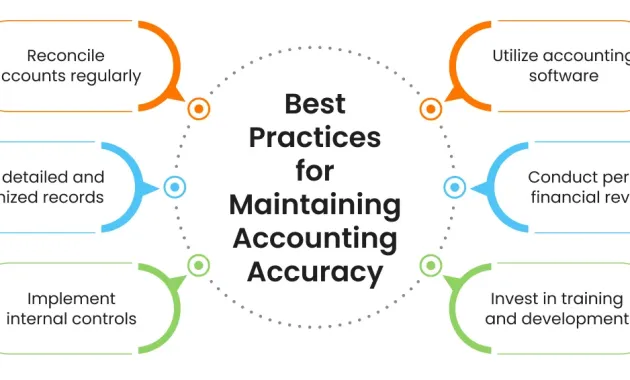
To keep your available balance reliable and avoid unpleasant surprises, adopt these habits.
Check Frequently Across Multiple Channels
Make it a routine to glance at your balance on both the mobile app and the web portal at least once a week. This double‑check catches any lag in data synchronization and ensures you see the most current figure.
Set Up Alerts for Large Transactions
Configure alerts for any transaction over a set amount, such as $100. The notification will prompt you to verify whether the charge was authorized and will instantly reflect the impact on your available credit.
Review Pending Transactions Regularly
Open the “Pending” or “Authorization” tab in your app to see holds that have not yet posted. If you notice a hold that seems excessive or incorrect, contact the merchant or your card issuer promptly.
Understand Your Issuer’s Posting Schedule
Different banks have varied timelines for moving transactions from pending to posted. Knowing when your issuer typically clears holds helps you plan purchases around those windows.
Maintain Low Credit Utilization
Keeping your utilization below 30% of your total limit is widely recommended for credit score health. Regularly checking your available balance helps you stay within this range. For a deeper dive on why utilization matters, read our article Why a Credit Limit Increase Matters.
Using Available Balance for Strategic Financial Decisions
Beyond day‑to‑day spending, the available balance can inform larger financial moves.
Planning Major Purchases
If you are considering a big-ticket item—such as a home appliance, a vacation, or a renovation—you can quickly assess whether your credit limit can cover the expense without maxing out your card. This assessment may also influence whether you apply for a temporary credit limit increase.
Optimizing Rewards and Cash‑Back
Many credit cards offer bonus categories that rotate quarterly. Knowing your available balance helps you allocate spending to the card that maximizes rewards without exceeding limits.
Balancing Multiple Cards
People often hold several credit cards for different benefits. By comparing the available balances across all cards, you can decide which one to use for a particular purchase, thereby spreading utilization and protecting your credit score.
When to Seek Help from Customer Service
Despite the convenience of self‑service tools, there are moments when a call to the issuer is necessary.
Unexplained Balance Drops
If your available balance drops sharply without a corresponding transaction in your statement, contact the bank. Possible reasons include fraudulent activity, an error in posting, or a merchant’s delayed capture.
Disputes Over Pending Holds
Sometimes merchants forget to finalize a hold, leaving it in limbo for days. A quick call can expedite the release of those funds back into your available credit.
Technical Glitches
Occasionally, the online portal may not update correctly due to server issues. Customer service can provide a real‑time balance over the phone while the technical problem is resolved.
Future Trends: Real‑Time Balance Updates

Financial technology is moving toward instantaneous balance refreshes across all platforms. Open banking APIs and tokenized card numbers are already enabling merchants to share transaction statuses with issuers in seconds. As these systems mature, the distinction between pending and posted transactions may blur, giving cardholders a truly real‑time view of their available credit.
In the meantime, staying informed about how your available balance is calculated and how to check it efficiently remains the most reliable way to manage credit responsibly. By integrating regular checks into your financial routine, you keep control over spending, protect your credit score, and make smarter decisions about when and how to use your credit.
Remember, the journey to financial confidence begins with a simple glance at the number that tells you how much you can still spend. Keep that glance frequent, keep the data accurate, and let your available balance guide you toward a healthier financial future.