Table of Contents
- Understanding How Credit Card Interest Accumulates
- APR and Daily Periodic Rate
- Grace Period Explained
- Proactive Strategies to Halt Interest Build‑Up
- Pay the Full Balance Every Month
- Set Up Automatic Payments
- Leverage Bank Transfers for Faster Clearance
- Utilize Balance Transfers Wisely
- Negotiate a Lower Rate or Opt Out
- Avoid Cash Advances and Other High‑Cost Transactions
- Long‑Term Habits That Keep Interest at Bay
- Track Spending with a Budget
- Use Alerts and Reminders
- Monitor Your Credit Card Statements
- Tools and Resources to Support Your Goal
- Credit Card Management Apps
- Educational Content and Community Forums
Credit card interest can creep up like an unnoticed tide, eroding the purchasing power you thought you had saved. If you’re searching for a way to stop credit card interest accumulation, the answer lies in a blend of disciplined payment habits, strategic use of card features, and a clear understanding of how interest is calculated. This article walks you through the process, step by step, using a straightforward narrative that mirrors a typical consumer’s journey from confusion to control.
Imagine you receive your monthly statement, notice a small interest charge, and wonder how a modest purchase turned costly. You might think the interest is inevitable, but in reality, it’s often the result of a few avoidable actions—late payments, partial balances, or cash advances. By recognizing these triggers early, you can intervene before the interest compounds.
The following sections break down the mechanics of credit card interest and provide concrete actions you can take today to halt its growth. Each tip is grounded in everyday scenarios, making the advice easy to apply regardless of your financial background.
Understanding How Credit Card Interest Accumulates

APR and Daily Periodic Rate
Every credit card displays an Annual Percentage Rate (APR). While APR sounds like a yearly figure, the actual interest is calculated daily. The Daily Periodic Rate (DPR) is simply APR divided by 365. For example, a 20% APR translates to a DPR of about 0.0548%. Each day, the unpaid balance is multiplied by this DPR, and the result is added to your total interest.
Grace Period Explained
Most cards offer a grace period—typically 21 to 25 days—during which you can pay off new purchases without incurring interest. The key condition is that you must have paid the previous month’s balance in full. Miss the deadline, and interest begins to accrue from the transaction date, not from the end of the billing cycle.
Proactive Strategies to Halt Interest Build‑Up
Pay the Full Balance Every Month
The most direct way to stop interest accumulation is to clear the entire statement balance before the due date. Even a small remaining amount triggers daily interest on the whole balance. Setting a reminder a few days before the deadline ensures you never overlook this crucial step.
Set Up Automatic Payments
Automation removes the human error factor. By linking your checking account and configuring an automatic payment for the full statement balance, you guarantee on‑time payment without manual effort. Many banks allow you to schedule these payments a day or two before the due date, giving you a buffer for any processing delays.
Leverage Bank Transfers for Faster Clearance
When you need to move a large sum quickly, a direct bank transfer can be the most efficient method. It typically clears faster than paper checks and avoids the processing lag of third‑party payment services. For a detailed guide on executing this safely, see our article on paying your credit card balance via bank transfer. A swift transfer reduces the window in which interest could accrue.
Utilize Balance Transfers Wisely
If you already carry a balance, consider a balance transfer to a card with a 0% introductory APR. The promotional period—often 12 to 18 months—offers a pause on interest, giving you time to pay down principal. Be mindful of transfer fees (usually 3–5% of the amount) and ensure you can clear the balance before the intro period ends.
Negotiate a Lower Rate or Opt Out
Credit card issuers sometimes raise rates without much warning. However, you have the right to request a reduction. A polite call explaining your good payment history can lead to a lower APR. If the issuer insists on a hike, you may choose to opt out of the new rate and close the account, moving your balance to a more favorable card. For a step‑by‑step process, read our guide on opting out of a credit card interest rate increase.
Avoid Cash Advances and Other High‑Cost Transactions
Cash advances carry the highest APRs, often above 25%, and start accruing interest immediately—there is no grace period. Additionally, certain merchant categories (e.g., travel bookings) may be treated as cash equivalents, triggering similar fees. Using your card only for purchases you can repay promptly eliminates this hidden cost.
Long‑Term Habits That Keep Interest at Bay
Track Spending with a Budget
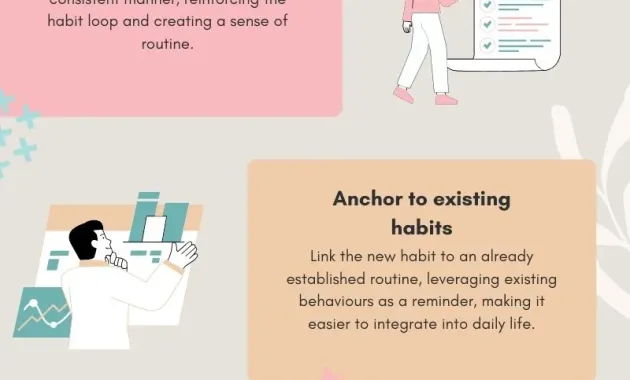
Creating a realistic monthly budget helps you align expenses with income, ensuring you never spend more than you can afford to pay off each month. Tools like spreadsheet templates or budgeting apps let you categorize purchases, set limits, and monitor progress in real time.
Use Alerts and Reminders
Most banks allow you to set custom alerts—balance thresholds, upcoming due dates, or large transactions. Activate these notifications on your phone or email to stay aware of any activity that could lead to interest charges.
Monitor Your Credit Card Statements
Regularly reviewing statements not only catches unauthorized charges but also highlights patterns that may cause interest buildup. Look for recurring subscriptions, hidden fees, or small balances that linger past the due date. Understanding the core concepts of credit card interest empowers you to spot red flags early.
Tools and Resources to Support Your Goal
Credit Card Management Apps
Modern apps aggregate all your credit cards into a single dashboard, showing balances, due dates, and projected interest. Some even simulate the impact of paying extra each month, helping you visualize how quickly interest can be eliminated.
Educational Content and Community Forums
Continuing to learn about financial best practices reinforces good habits. Websites, podcasts, and forums where members share real‑world experiences can provide fresh ideas—like using reward points to offset future purchases, or timing payments to maximize grace periods.
Stopping credit card interest accumulation isn’t a single‑time event; it’s a series of deliberate choices woven into your everyday financial routine. By paying the full balance each month, automating payments, avoiding cash advances, and staying informed about your card’s terms, you create a shield against unwanted interest. Over time, these practices not only protect your money but also improve your credit health, opening doors to better financial opportunities.