Table of Contents
- How Virtual Credit Card Numbers Work
- Generation Process
- Transaction Flow
- Key Benefits of Using a Virtual Credit Card Number
- Enhanced Security
- Control Over Spending
- Privacy Protection
- Ease of Management
- Common Use Cases for Virtual Credit Card Numbers
- Online Shopping on Unfamiliar Sites
- Subscription Services
- Travel Booking
- Business Expense Management
- How to Obtain a Virtual Credit Card Number
- Eligibility and Application Process
- Choosing a Provider
- Security Considerations and Best Practices
- Regular Monitoring
- Limit Scope Wisely
- Never Store VCNs Unencrypted
- Use for One‑Time Purchases
- Limitations and Potential Fees
- Merchant Compatibility
- Fee Structures
- Limited Transaction Types
- Choosing the Right Virtual Card Provider
- Feature Set
- Customer Support
- Compatibility with Rewards Programs
- Real‑World Example
- Integrating Virtual Cards into Everyday Financial Life
In today’s digital economy, the term “virtual credit card number” appears frequently in forums, newsletters, and financial blogs. As consumers shift more of their purchasing power online, the demand for safer, more flexible payment tools has surged. A virtual credit card number is essentially a temporary, disposable version of your traditional credit card, designed to protect your real account details while still granting the convenience of a credit card transaction.
This concept may sound like something out of a futuristic novel, yet it is already widely available through many major banks and fintech platforms. Understanding how it operates, why it matters, and the steps to obtain one can empower you to shop, subscribe, and pay bills with greater confidence.
The following article unpacks the mechanics, advantages, and practical considerations of virtual credit card numbers, weaving together real‑world examples and actionable advice. Whether you are a frequent online shopper, a small‑business owner, or simply curious about the next evolution in payment security, the story of virtual cards is worth following.
How Virtual Credit Card Numbers Work
At its core, a virtual credit card number (VCN) is a unique, randomly generated 16‑digit number that mimics the structure of a physical card. It is linked to your actual credit card account, but it can be set with its own expiration date, spending limit, and merchant restrictions.
Generation Process
- Request: You log into your bank’s online portal or a fintech app that offers virtual cards.
- Configuration: You specify parameters such as the amount you wish to authorize, the duration (often a single use or a set number of days), and the merchant category.
- Issuance: The system instantly generates a VCN, which you can copy, email, or export to your digital wallet.
Transaction Flow
When you use the VCN at checkout, the merchant processes the payment exactly as if it were a regular card. The issuing bank then validates the transaction against the limits you set, and the purchase amount is deducted from your actual credit card balance. Once the transaction is complete, the VCN may become inactive, preventing any further use.
Key Benefits of Using a Virtual Credit Card Number
Virtual cards are not just a novelty; they provide tangible advantages that address common pain points in digital commerce.
Enhanced Security
Because the VCN is disposable, hackers who intercept the number cannot use it beyond the predefined limits. This reduces the risk of fraud, especially on sites with weak security protocols.
Control Over Spending
Setting a maximum charge prevents accidental overspending. For example, if you only need to pay a $25 subscription, you can cap the VCN at $30, ensuring any accidental overcharge is blocked.
Privacy Protection
When you shop on a new marketplace or a one‑time auction site, you can keep your real card number hidden, preserving privacy and reducing the likelihood of unwanted marketing or data mining.
Ease of Management
Most platforms allow you to view and revoke active VCNs with a few clicks, making it simple to deactivate a card after a purchase is confirmed.
Common Use Cases for Virtual Credit Card Numbers
While the technology is versatile, certain scenarios highlight its practicality.
Online Shopping on Unfamiliar Sites
Before making a purchase on a new e‑commerce platform, generate a VCN limited to the exact purchase amount. If the site tries to charge more, the transaction will be declined.
Subscription Services
For recurring bills like streaming services, you can issue a VCN with a monthly limit that matches the subscription fee. This prevents unexpected price hikes from affecting your main card.
Travel Booking
Airline and hotel reservations often require a card hold that exceeds the final charge. A VCN can be set with a higher limit for the hold, then reduced after the trip.
Business Expense Management
Employees can receive individual VCNs for specific projects, allowing finance teams to track spending without issuing physical cards.
How to Obtain a Virtual Credit Card Number
Acquiring a VCN is generally straightforward, but the exact steps vary by provider. Below is a typical eligibility and application process.
Eligibility and Application Process
Most banks require you to have an existing credit card in good standing. Some fintech companies may allow you to create a virtual card as part of a broader digital wallet solution. To start, log into your online banking dashboard, navigate to the “Virtual Card” or “Digital Card” section, and follow the prompts. For a detailed walkthrough, see our article on eligibility and application process.
Choosing a Provider
- Traditional Banks: Often integrate virtual cards into existing credit card accounts, offering familiar customer support.
- Fintech Platforms: May provide more granular controls, such as per‑merchant restrictions and instant card generation via mobile apps.
- Hybrid Solutions: Some issuers combine both, letting you generate VCNs through a web portal while also supporting mobile wallets.
Security Considerations and Best Practices

Even though virtual cards add a layer of protection, they are not immune to misuse. Following best practices helps you maximize security.
Regular Monitoring
Check your statements frequently for any unauthorized activity. Most banks send instant alerts for virtual card transactions, allowing you to spot anomalies quickly.
Limit Scope Wisely
Set both a monetary limit and a merchant category limit where possible. This prevents a VCN from being used on unrelated services.
Never Store VCNs Unencrypted
If you need to keep a VCN for a recurring subscription, store it in a password‑protected manager rather than a plain text file.
Use for One‑Time Purchases
For single, high‑value purchases (e.g., buying a laptop), generate a VCN with a limit just above the purchase price. Once the transaction is settled, the VCN becomes obsolete.
Limitations and Potential Fees

Virtual cards are powerful, but they do have constraints that users should be aware of.
Merchant Compatibility
Some merchants, especially those that rely on magnetic stripe data or require a physical card for verification, may reject VCNs. This is less common with modern e‑commerce platforms, but still a consideration.
Fee Structures
While many banks provide VCNs at no extra charge, certain premium services or high‑volume usage may incur a small fee per generated card. Review your issuer’s fee schedule before adopting the tool heavily.
Limited Transaction Types
Recurring payments that adjust in amount (e.g., utility bills that vary month‑to‑month) may need a higher limit than initially set, requiring you to generate a new VCN periodically.
Choosing the Right Virtual Card Provider
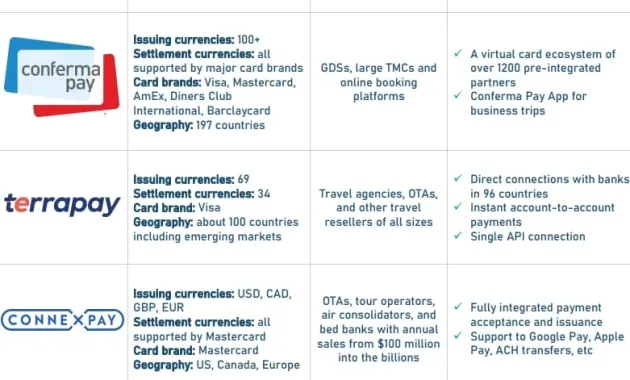
Selecting a provider hinges on a mix of security features, usability, and cost. Below are criteria to evaluate.
Feature Set
- Instant card generation via mobile app.
- Ability to set merchant‑specific restrictions.
- Integration with existing budgeting tools.
Customer Support
Responsive support is essential if a VCN is declined unexpectedly. Look for providers offering 24/7 chat or phone assistance.
Compatibility with Rewards Programs
If you rely on credit‑card rewards, verify that transactions made with a VCN still earn points or cash back. Some issuers treat virtual transactions the same as physical ones, while others may apply limitations.
Real‑World Example
Suppose you frequently buy gas and groceries and want to maximize rewards. By pairing a virtual card with a best credit cards for gas and groceries, you can allocate a VCN solely for those categories, ensuring you capture the highest cash‑back rates without exposing your primary card to potential fraud.
Integrating Virtual Cards into Everyday Financial Life

Adopting a virtual credit card number is not a one‑time event; it can become part of a broader strategy for managing personal and business finances. Here’s a short narrative of how a typical user might incorporate VCNs over a month.
Maria, a freelance graphic designer, receives a monthly invoice from a client for $1,200. She prefers to pay using a credit card to earn points, but the client only accepts a single payment method. Maria creates a VCN with a $1,500 limit and a 30‑day expiration. After the client processes the payment, the VCN automatically deactivates, and Maria’s real card is credited with the points. Two weeks later, she subscribes to an online design resource that charges $35 monthly. She generates another VCN capped at $40, ensuring the subscription cannot exceed the set amount. By the end of the month, Maria has used three VCNs, each serving a distinct purpose while preserving her primary card’s security.
This pattern can be replicated by anyone looking to compartmentalize spending, reduce fraud exposure, or simply gain better insight into where money flows.
In addition to personal finance, businesses can leverage virtual cards for supplier payments. By assigning a unique VCN to each vendor, the accounting department can instantly revoke access if a contract ends, simplifying audit trails and reducing the risk of lingering authorizations.
Finally, virtual cards can serve as a stepping stone for those exploring alternative payment methods. As digital wallets and tokenization become mainstream, understanding VCNs provides a solid foundation for navigating the evolving landscape of electronic transactions.
By embracing virtual credit card numbers, consumers and businesses alike gain a flexible tool that blends the familiarity of traditional credit cards with the enhanced security demanded by today’s digital world.