Table of Contents
- What Is an Instant‑Approval Credit Card for Bad Credit?
- Key Characteristics
- How Instant Approval Works Behind the Scenes
- Technology and Data Sources
- Top Features to Look For
- 1. Credit Bureau Reporting
- 2. Reasonable APR and Fees
- 3. Credit Limit Growth Potential
- 4. Online Account Management
- Step‑by‑Step Guide to Applying for an Instant‑Approval Card
- Step 1: Check Your Current Credit Report
- Step 2: Identify Cards That Offer Instant Approval
- Step 3: Gather Required Documentation
- Step 4: Complete the Online Application
- Step 5: Review the Offer Promptly
- Step 6: Activate and Use Responsibly
- Strategies to Maximize Credit Building Benefits
- Pay On Time, Every Time
- Maintain Low Utilization
- Request Periodic Credit Limit Increases
- Monitor Your Credit Regularly
- Combine With Other Credit‑Building Tools
- Common Pitfalls and How to Avoid Them
- 1. Carrying a Balance Month‑to‑Month
- 2. Ignoring Fees
- 3. Applying for Multiple Cards Simultaneously
- 4. Over‑Spending Because of “Instant” Approval
- 5. Not Reviewing Statements Carefully
- Real‑World Example: A Path From 520 to 660 in 12 Months
- Choosing the Right Card for You
Credit cards for bad credit instant approval have become a lifeline for many who struggle to obtain traditional financing. When your credit score is low, lenders often view you as a high‑risk borrower, and the application process can feel like an endless maze of rejections. Fortunately, a growing segment of the market offers cards that promise quick decisions, sometimes within minutes, and approval even when your credit history is less than perfect. This article walks you through how these cards work, what features to prioritize, and how to use them responsibly to improve your credit over time.
Understanding the landscape of instant‑approval cards is essential before you click “apply.” Not all offers are created equal; some hide steep fees, while others provide genuine opportunities to rebuild credit. By the end of this guide, you will know which criteria matter most, how to avoid common pitfalls, and which specific products may suit your financial situation. The journey from “bad credit” to a healthier score can begin with a single, well‑chosen card.
Below, we break down the core concepts, practical tips, and actionable steps that transform a simple credit line into a strategic tool for financial recovery. Whether you are looking for a card that reports to all three major bureaus, one with a low annual fee, or an option that offers instant online approval, the information here will help you make an informed decision.
What Is an Instant‑Approval Credit Card for Bad Credit?
An instant‑approval credit card is a product that provides a decision quickly—often within seconds to a few hours—once you submit an online application. These cards are typically issued by banks or fintech companies that use alternative data models, such as employment status, income, and recent banking activity, to gauge risk. For consumers with bad credit (generally a FICO score below 580), these cards represent one of the few avenues to obtain revolving credit without a prolonged waiting period.
Key Characteristics
- Quick Decision Process: Most applications are processed in real time, and you receive an approval or denial almost immediately.
- Higher Interest Rates: Because the issuer assumes greater risk, APRs are usually higher than those on prime cards.
- Lower Credit Limits: Initial limits often range from $200 to $1,000, reflecting the cardholder’s credit profile.
- Reporting to Credit Bureaus: The most valuable feature for rebuilding credit is regular reporting to Experian, TransUnion, and Equifax.
- Fees and Charges: Annual fees may be modest, but some cards charge activation fees, processing fees, or monthly maintenance fees.
How Instant Approval Works Behind the Scenes
When you submit your data, the issuer’s underwriting engine cross‑checks it against internal scoring models. Unlike traditional cards that rely heavily on historical credit scores, these models incorporate real‑time income verification, employment history, and sometimes even utility payment patterns. If the algorithm determines that the risk is within acceptable bounds, it instantly generates a decision and, if approved, assigns a provisional credit limit.
Technology and Data Sources
- Alternative Credit Data: Rent payments, cell‑phone bills, and bank account activity can supplement thin credit files.
- Machine Learning Models: Advanced algorithms continuously learn from outcomes, improving approval accuracy over time.
- Real‑Time Verification: APIs connect directly to payroll providers or bank accounts to confirm income before a decision is rendered.
Top Features to Look For

Not every instant‑approval card will help you rebuild your credit efficiently. Focus on the following attributes to ensure the card you choose supports your long‑term financial goals.
1. Credit Bureau Reporting
Only cards that report your activity to the three major bureaus will influence your credit score. Verify this in the card’s terms or ask customer service directly. Without reporting, the card may provide convenience but will not aid in score improvement.
2. Reasonable APR and Fees
While high APRs are common, some issuers offer promotional periods with reduced rates. Look for cards that balance a manageable interest rate with low or no annual fees. A modest fee can be worth paying if the card helps you establish a positive payment history.
3. Credit Limit Growth Potential
Cards that review your account after six months and allow limit increases provide a path to higher usable credit, which can improve your credit utilization ratio—a key factor in scoring models.
4. Online Account Management
Mobile apps and online dashboards let you track balances, set up alerts, and make payments on time. Features such as automatic payment reminders are especially useful for borrowers who are rebuilding discipline around credit use.
Step‑by‑Step Guide to Applying for an Instant‑Approval Card
Applying for a card when you have bad credit can feel daunting, but breaking the process into clear steps reduces uncertainty and improves your chances of success.
Step 1: Check Your Current Credit Report
Obtain a free copy of your credit report from AnnualCreditReport.com. Review it for errors, such as incorrectly reported late payments, and dispute any inaccuracies. A clean report, even with a low score, positions you better for approval.
Step 2: Identify Cards That Offer Instant Approval
Search reputable financial sites and filter for “instant approval” and “bad credit.” Compare key metrics—APR, fees, reporting practices, and credit limit ranges. For an example of a well‑structured comparison, see the article Premium Metal Credit Cards Comparison – Which Elite Card Wins the Battle?, which, while focusing on premium cards, demonstrates how to evaluate features side by side.
Step 3: Gather Required Documentation
Most applications need your Social Security number, proof of income (pay stubs or bank statements), and a valid mailing address. Having these documents ready speeds up the verification stage.
Step 4: Complete the Online Application
Enter your information accurately. Double‑check fields such as employment status and monthly income; a minor typo can trigger an automatic denial.
Step 5: Review the Offer Promptly
If approved, you’ll receive terms electronically. Examine the APR, fee schedule, and credit limit. If anything seems unclear, contact the issuer’s support line before you accept.
Step 6: Activate and Use Responsibly
Once you receive the card, activate it online or via phone. Use the card for small, recurring purchases—like a monthly subscription—and pay the balance in full each month. This demonstrates reliability to the issuer and to the credit bureaus.
Strategies to Maximize Credit Building Benefits
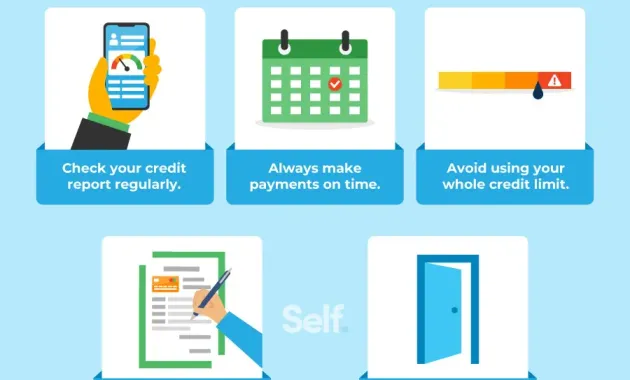
Simply having an instant‑approval card does not guarantee credit improvement. The following practices turn the card into a powerful credit‑building tool.
Pay On Time, Every Time
Payment history accounts for roughly 35 % of a FICO score. Setting up automatic payments for at least the minimum amount eliminates the risk of missed due dates. If you can, pay the full balance to avoid interest charges.
Maintain Low Utilization
Keep your credit utilization below 30 % of the total limit. For a $500 limit, try not to carry more than $150 in revolving debt. Low utilization signals responsible use and can boost your score more quickly.
Request Periodic Credit Limit Increases
After six months of on‑time payments, contact the issuer to request a higher limit. A larger limit, combined with the same spending level, reduces utilization and improves scoring.
Monitor Your Credit Regularly
Enroll in a free credit monitoring service or use the issuer’s dashboard to watch for changes. Spotting errors early allows you to dispute them before they affect your score.
Combine With Other Credit‑Building Tools
Consider pairing your card with a secured credit card or a credit‑builder loan. For a broader perspective on building credit, read How to Use a Credit Card to Build Credit History – The Proven Roadmap You’ve Been Waiting For, which outlines complementary strategies.
Common Pitfalls and How to Avoid Them
Even with the right card, missteps can undermine your credit‑building efforts. Awareness of these pitfalls helps you stay on course.
1. Carrying a Balance Month‑to‑Month
High‑interest rates mean that carrying a balance quickly becomes costly. Pay the full amount each month to avoid unnecessary interest.
2. Ignoring Fees
Annual or monthly fees can erode the benefit of a low limit. Choose a card with minimal fees or one that offers a fee waiver after a year of on‑time payments.
3. Applying for Multiple Cards Simultaneously
Each hard inquiry can temporarily dip your score by a few points. Limit applications to one or two cards within a six‑month window.
4. Over‑Spending Because of “Instant” Approval
The ease of approval may lead you to spend beyond your means. Treat the card as a tool, not a source of extra cash.
5. Not Reviewing Statements Carefully
Hidden fees or unexpected charges can appear on monthly statements. Review them promptly and dispute any inaccuracies.
Real‑World Example: A Path From 520 to 660 in 12 Months

Consider Maria, a 34‑year‑old who held a credit score of 520 after several late utility payments. She applied for an instant‑approval card with a $500 limit, a 24 % APR, and no annual fee. Over the next year, she followed a disciplined plan:
- Used the card only for a $30 grocery subscription each month.
- Set up automatic payments to clear the balance on the due date.
- Requested a $200 limit increase after six months of on‑time payments.
- Monitored her credit report quarterly, disputing a mistaken late payment from a previous landlord.
By the end of the year, her utilization averaged 12 %, and her payment history was flawless. Her score rose to 660, qualifying her for a traditional unsecured credit card with a lower APR. Maria’s experience illustrates how a modest, responsibly managed instant‑approval card can serve as a stepping stone toward better credit products.
Choosing the Right Card for You
When evaluating options, create a checklist based on the features discussed above. Prioritize cards that:
- Report to all three major credit bureaus.
- Offer a reasonable APR (ideally under 30 %).
- Have low or no annual fees.
- Provide a clear path for credit limit increases.
- Include robust online tools for payment reminders and balance tracking.
If you need inspiration for balancing low rates with credit‑building potential, the article Unlock Savings: The Top Low Intro APR Cards for Balance Transfers in 2024 offers a perspective on how low‑APR cards can complement a credit‑building strategy once your score improves.
Remember, the goal is not simply to obtain a card but to use it as a disciplined financial instrument. By staying within your means, paying in full, and monitoring progress, you turn a “bad credit” label into a temporary phase.
Finally, keep in mind that credit rebuilding is a marathon, not a sprint. Instant‑approval cards provide the first step, but sustained effort, responsible spending, and regular credit checks are essential to achieving lasting financial health.