Table of Contents
- How Credit Card Issuers Calculate the Minimum Payment
- The Impact of Paying Only the Minimum
- Illustrative Example
- Why Lenders Require a Minimum Payment
- Strategies to Manage Minimum Payments Effectively
- Tip: Create a Debt Repayment Plan
- Common Misconceptions About Minimum Payments
- How to Avoid Falling Into the Minimum‑Payment Trap
- Practical Example of an Action Plan
- When Paying More Than the Minimum Isn’t Feasible
- The Role of Minimum Payments in Credit Scoring
- Key Takeaway
Understanding minimum payment on credit cards is the first step toward taking control of your personal finances. Most consumers see the small, seemingly harmless amount due each month and assume it’s enough to keep their accounts in good standing. In reality, the minimum payment is a calculated figure that can influence interest costs, credit scores, and long‑term debt repayment plans.
When you receive your monthly statement, the highlighted “Minimum Payment Due” often feels like a friendly reminder rather than a financial decision point. Yet behind that modest number lies a formula designed by lenders to protect their revenue while giving borrowers a sense of flexibility. This article walks you through the mechanics of minimum payments, the implications of paying only the minimum, and practical tips to avoid the common pitfalls associated with this feature.
How Credit Card Issuers Calculate the Minimum Payment
The calculation varies from one issuer to another, but most follow a similar framework that blends a percentage of the outstanding balance with any accrued interest, fees, and a fixed base amount. Typically, the minimum payment is the greater of:
- A flat dollar amount (often $25–$35), ensuring that even very small balances generate a minimum due.
- A percentage of the total balance, commonly ranging from 1% to 3%, plus any new interest and fees incurred during the billing cycle.
For example, if you owe $2,000 and your card’s minimum payment formula is 2% of the balance plus accrued interest of $30, your minimum payment would be $70 (2% of $2,000 = $40; $40 + $30 = $70). If the flat minimum is $25, the $70 amount would apply because it is higher.
Some issuers also incorporate a “payment of the past due amount” component, which adds any missed payments from previous cycles. This ensures that delinquent accounts are brought back on track before the regular minimum is applied.
The Impact of Paying Only the Minimum
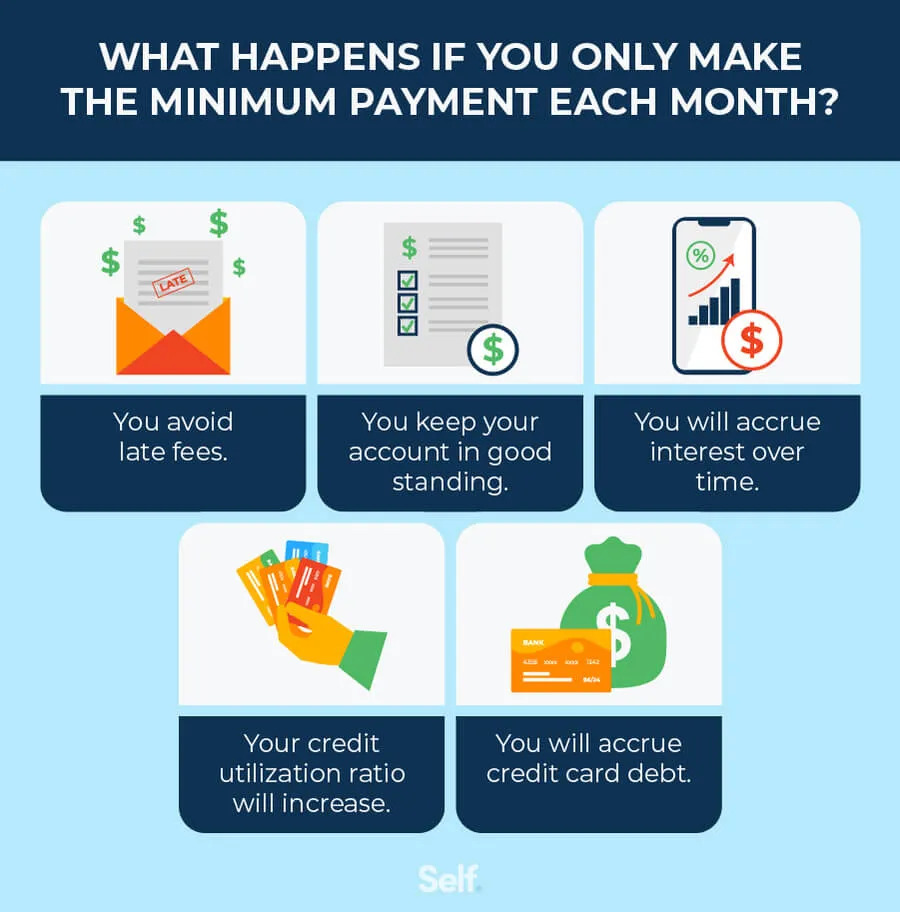
Choosing to pay just the minimum each month may seem like a harmless short‑term solution, but it can have several long‑term consequences:
- Higher Interest Costs: Because the balance reduces slowly, interest continues to accrue on a larger principal for a longer period. Over time, you may end up paying many times the original amount in interest.
- Extended Repayment Timeline: Paying only the minimum can stretch repayment over many years, sometimes even decades, depending on the interest rate and balance.
- Credit Utilization Ratio: A high outstanding balance relative to your credit limit can increase your credit utilization ratio, potentially lowering your credit score. Understanding Credit Utilization Ratio provides deeper insight into this metric.
- Potential for Debt Spiral: The slower reduction in principal may tempt some borrowers to continue using the card, creating a cycle of revolving debt.
Illustrative Example
Consider a credit card with a 20% APR and a $5,000 balance. If the minimum payment is set at 2% of the balance, the first month’s minimum would be $100. Paying only $100 each month, the balance would take roughly 12 years to clear, and the total interest paid would exceed $6,000. In contrast, paying $300 per month would eliminate the debt in about 20 months and cut total interest to under $900.
Why Lenders Require a Minimum Payment
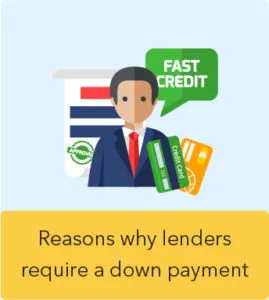
Lenders set a minimum payment to ensure a baseline cash flow from each account. This amount covers at least a portion of the accrued interest and fees, protecting the issuer from a sudden surge in unpaid balances. Moreover, the minimum payment provides borrowers with a clear, manageable target, reducing the risk of missed payments that could trigger penalties or a negative credit report.
Strategies to Manage Minimum Payments Effectively
While the minimum payment is the legal amount required to keep your account current, smart financial planning involves going beyond that baseline. Below are actionable steps to keep your credit health intact:
- Pay More Than the Minimum: Even a small amount above the required minimum accelerates principal reduction and decreases interest.
- Set Up Automatic Payments: Automate a payment amount higher than the minimum to avoid accidental underpayment.
- Utilize Balance Transfer Offers: If your card’s interest rate is high, a balance transfer to a 0% introductory rate can give you breathing room to pay down the principal faster. Learn more in How Credit Card Balance Transfers Actually Work – A Complete Guide.
- Monitor Your Credit Utilization: Keep balances below 30% of your total credit limit to maintain a healthy credit score.
- Review Statements Regularly: Spot any unexpected fees or interest spikes early, and address them promptly.
Tip: Create a Debt Repayment Plan
Start by listing all credit card balances, interest rates, and minimum payments. Allocate any extra funds to the card with the highest interest (the “avalanche” method) or to the smallest balance first (the “snowball” method). Both approaches help you systematically reduce debt while maintaining momentum.
Common Misconceptions About Minimum Payments

Many cardholders hold inaccurate beliefs that can lead to costly mistakes. Here are the most frequent myths:
- My Minimum Payment Covers All Interest: In most cases, the minimum covers only a portion of the interest, leaving some to compound.
- Paying the Minimum Improves My Credit Score: While staying current avoids negative marks, high balances relative to limits can still hurt your score.
- Minimum Payments Are Fixed: They fluctuate with balance changes, new purchases, and accrued fees.
How to Avoid Falling Into the Minimum‑Payment Trap
Preventing the trap starts with awareness and disciplined budgeting. Below are steps that can keep you on the right path:
- Track Spending: Use budgeting apps or spreadsheet tools to see where your money goes each month.
- Prioritize High‑Interest Debt: Allocate extra cash toward cards with the highest APR first.
- Limit New Purchases on Existing Balances: Adding more debt while trying to pay down existing balances prolongs repayment.
- Leverage Online Account Access: Regularly log into your card portal to monitor balances and payments. For example, the step‑by‑step guide to signing in to a Bank of America credit card account makes it easy to stay informed.
Practical Example of an Action Plan
Suppose you have three credit cards:
- Card A: $3,000 balance, 22% APR, $90 minimum
- Card B: $1,500 balance, 18% APR, $45 minimum
- Card C: $2,200 balance, 24% APR, $70 minimum
After covering all minimums ($205 total), you decide to add $150 from your discretionary budget. Using the avalanche method, you direct the $150 to Card C (the highest APR). This reduces Card C’s balance faster, which in turn reduces the overall interest accrued each month.
When Paying More Than the Minimum Isn’t Feasible
Life circumstances sometimes limit the amount you can allocate to credit card debt. In such cases, consider these alternatives:
- Contact Your Issuer: Request a temporary hardship program that may lower the interest rate or provide a payment deferral.
- Consolidate Debt: A personal loan with a lower fixed rate can replace high‑interest credit card balances, making payments more predictable.
- Seek Credit Counseling: Non‑profit agencies can help you develop a manageable repayment strategy.
The Role of Minimum Payments in Credit Scoring
Credit scoring models, such as FICO and VantageScore, evaluate several factors, including payment history, amounts owed, length of credit history, new credit, and credit mix. While making at least the minimum payment ensures a positive payment history, the “amounts owed” component—particularly credit utilization—remains critical. Maintaining lower balances relative to your limits signals responsible credit management and can improve your score over time.
Key Takeaway
Paying only the minimum is a short‑term convenience that can translate into long‑term financial strain. Understanding the calculation, recognizing the costs, and adopting proactive repayment habits empower you to use credit cards as tools rather than traps.
By staying informed, setting realistic repayment goals, and leveraging resources—like balance transfer offers or credit counseling—you can keep your credit card debt under control while protecting your credit score. Remember, the minimum payment is merely a floor, not a ceiling, for the financial health of your credit relationship.