Table of Contents
- Top Dining Rewards Credit Cards in 2024
- How Dining Rewards Work
- Flat‑Rate Points vs. Tiered Earn
- Cash Back vs. Points vs. Miles
- Annual Fees and Credits
- Maximizing Your Dining Rewards: Practical Tips
- 1. Combine Cards for Layered Rewards
- 2. Leverage Restaurant‑Specific Credits
- 3. Optimize Transfer Partners
- 4. Watch for Rotating Categories
- 5. Pay Attention to Foreign Transaction Fees
- 6. Use Mobile Wallets for Bonus Opportunities
- 7. Keep an Eye on Introductory Bonuses
- 8. Monitor Your Credit Utilization
- Case Study: Turning a Monthly Dining Budget into Travel Miles
- Choosing the Right Card for Your Lifestyle
- Managing Your Cards Effectively
When it comes to earning rewards, the phrase “food is fuel” takes on a literal meaning for anyone who loves dining out. Best credit cards for dining rewards let you transform the cost of a steak dinner or a casual brunch into cash back, travel miles, or points that can be redeemed for future meals. The right card not only offers a high percentage back on restaurant purchases but also bundles perks such as complimentary dining credits, priority reservations, and exclusive access to culinary events. In this article we walk through the most rewarding options, explain how dining rewards work, and share strategies to make every bite count.
Imagine stepping into a trendy bistro, ordering your favorite dish, and knowing that the payment you make today will fund your next vacation or pay off your next grocery run. That is the power of a well‑chosen dining rewards credit card. By aligning your everyday spending with a rewards structure that matches your lifestyle, you can accumulate points faster than you might think. The following sections break down the top cards, highlight key features, and provide actionable tips—so you can start earning as soon as you swipe.
Top Dining Rewards Credit Cards in 2024
The market for restaurant‑focused credit cards is crowded, but a few stand out for their generous earn rates, flexible redemption options, and supplemental perks that appeal to food enthusiasts. Below is a curated list of ten cards that consistently rank high in expert reviews and user satisfaction surveys.
- Chase Sapphire Preferred® Card – 3x points on dining, 2x on travel, and a 60,000‑point sign‑up bonus.
- American Express® Gold Card – 4x Membership Rewards® points at restaurants worldwide, plus a $120 annual dining credit.
- Citi® / AAdvantage® Platinum Select® World Elite Mastercard® – 3x points on dining, 2x on airline purchases, and a 50,000‑point bonus after $4,000 spend.
- Capital One SavorOne Cash Rewards Credit Card – 3% cash back on dining and entertainment, no annual fee.
- U.S. Bank Altitude™ Reserve Visa Infinite® Card – 3x points on dining, 5x on travel booked through the portal, and a $325 annual travel credit.
- Discover it® Cash Back – 5% cash back on rotating quarterly categories, often featuring dining, plus dollar‑for‑dollar match at year‑end.
- Wells Fargo Propel American Express® Card – 3x points on dining, travel, and streaming services, no annual fee.
- Bank of America® Premium Rewards® credit card – 2x points on dining and travel, 1.5% cash back on all other purchases.
- Marriott Bonvoy Brilliant™ American Express® Card – 6x points on dining at Marriott locations, 3x elsewhere, plus an annual free night.
- Delta SkyMiles® Gold American Express Card – 2x miles on dining, plus a free first checked bag on Delta flights.
Each of these cards brings something unique to the table, whether it’s a high flat‑rate earn, a dining credit that offsets the annual fee, or a points‑to‑airline‑miles conversion that benefits frequent flyers. Selecting the best fit depends on your broader financial goals, how often you dine out, and whether you prefer cash back or travel rewards.
How Dining Rewards Work

Understanding the mechanics behind dining rewards helps you make informed decisions. Most cards categorize restaurant purchases under a “dining” or “restaurants” merchant code, which triggers the elevated earn rate. Some cards also treat food delivery services and grocery store purchases as dining, while others keep them separate. Below is a quick overview of the common reward structures.
Flat‑Rate Points vs. Tiered Earn
Flat‑rate cards, such as the Capital One SavorOne, award the same percentage back on all dining purchases. Tiered cards, like the American Express Gold, provide higher rates (e.g., 4x) but may limit the benefit to specific categories or cap the total points earned each year.
Cash Back vs. Points vs. Miles
Cash back cards convert your spend directly into a statement credit or deposit, which is straightforward and flexible. Points‑based cards (e.g., Chase Sapphire) let you transfer to airline or hotel partners, potentially increasing the value of each point. Miles‑focused cards (e.g., Delta SkyMiles) credit your airline loyalty account directly, simplifying travel redemption.
Annual Fees and Credits
Many high‑earning dining cards charge an annual fee, but they also bundle credits that offset the cost. For instance, the American Express Gold’s $120 dining credit essentially reduces its $250 fee by 48%. It’s crucial to calculate whether the net benefit exceeds the fee based on your expected dining spend.
Maximizing Your Dining Rewards: Practical Tips

Even the best card can fall short if you don’t employ smart strategies. The following tips help you squeeze the most value from every restaurant transaction.
1. Combine Cards for Layered Rewards
Use a high‑earning dining card for restaurant bills, then pay the balance with a cash‑back card that offers a bonus on bill payments or a statement credit for paying the full balance each month. This “stacking” method can boost overall returns.
2. Leverage Restaurant‑Specific Credits
Cards like the Amex Gold provide an annual dining credit that applies to purchases at select restaurants or delivery platforms. Register the card with the credit’s portal and track usage throughout the year to avoid losing the benefit.
3. Optimize Transfer Partners
If you favor points, consider cards that allow transfers to airline or hotel programs at a 1:1 ratio. For example, Chase Sapphire Preferred points can move to United MileagePlus or World of Hyatt, often yielding a higher redemption value than a cash‑back alternative.
4. Watch for Rotating Categories
Cards such as Discover it Cash Back feature quarterly categories that sometimes include dining. Activate the category each quarter and align your spend to capture the 5% cash back during that period.
5. Pay Attention to Foreign Transaction Fees
Travelers who dine abroad should select cards with no foreign transaction fees, ensuring that the high earn rate isn’t eroded by a 3% surcharge on overseas purchases.
6. Use Mobile Wallets for Bonus Opportunities
Some issuers offer extra points when you add the card to Apple Pay, Google Pay, or other digital wallets and use them at participating merchants. This is an easy way to earn a few extra points without changing your spending habits.
7. Keep an Eye on Introductory Bonuses
Many dining‑focused cards come with generous sign‑up bonuses that require a certain amount of spend within the first three months. Align that spend with your regular dining budget to meet the threshold without overspending.
8. Monitor Your Credit Utilization
Maintaining a low credit utilization ratio (ideally under 30%) protects your credit score, which can affect future card approvals and interest rates. Paying your balance in full each month also avoids interest that would otherwise offset the value of your rewards.
Case Study: Turning a Monthly Dining Budget into Travel Miles
Consider a professional who spends $800 per month on meals, including lunch at work, weekend brunches, and occasional fine‑dining. By selecting the Chase Sapphire Preferred (3x points on dining) and the American Express Gold (4x points plus $120 annual credit), the monthly breakdown looks like this:
- Chase Sapphire Preferred: $400 on dining = 1,200 points.
- Amex Gold: $400 on dining = 1,600 points + $10 of the $120 credit (assuming $10/month usage).
Combined, the user earns 2,800 points per month, or 33,600 points annually. When transferred to United MileagePlus, those points could fund a round‑trip economy flight within the United States (roughly 25,000‑30,000 miles). The $120 annual dining credit further reduces the effective cost of the Amex Gold, making the total net reward value exceed $300 in travel savings.
This example demonstrates how layering two cards with complementary benefits can amplify rewards, especially when the spend is predictable and the user tracks credits diligently. For readers interested in the finer details of how credit card holds might affect your pending restaurant charges, see our article What Is a Credit Card Hold? Uncover the Hidden Mechanics Behind Your Transactions for a deeper dive.
Choosing the Right Card for Your Lifestyle

Not every diner has the same priorities. Some prefer a simple cash‑back system, while others chase airline miles for future travel. Below is a quick decision matrix to help you align your preferences with the appropriate card.
| Goal | Best Card(s) | Key Feature |
|---|---|---|
| Maximum points on restaurant spend | American Express Gold, Chase Sapphire Preferred | 4x or 3x points on dining |
| Cash back with no annual fee | Capital One SavorOne, Discover it | 3% cash back or 5% rotating categories |
| Travel rewards with airline partners | U.S. Bank Altitude Reserve, Delta SkyMiles Gold | Transferable points or direct miles |
| Dining credits that offset fees | American Express Gold, U.S. Bank Altitude Reserve | Annual dining or travel credits |
If you have a fair credit score and are still building credit history, you might wonder which cards are accessible without a high credit requirement. Our guide Unlock the Best Credit Cards for Fair Credit Scores and Boost Your Financial Future outlines several options that still provide decent dining rewards while remaining within reach.
Managing Your Cards Effectively
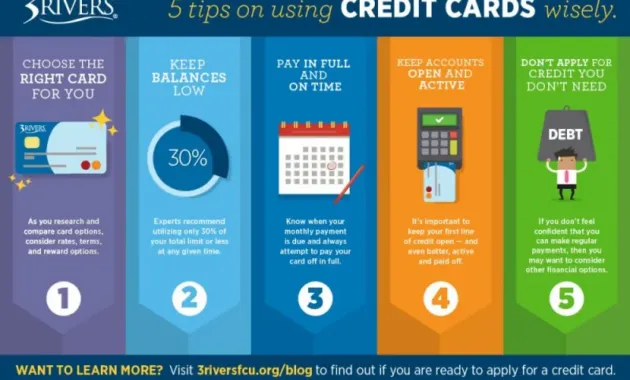
Owning multiple reward cards can be powerful, but it also demands discipline. Here are a few best‑practice habits:
- Set up automatic payments to avoid missed due dates, which can jeopardize your eligibility for future bonuses.
- Use a budgeting app to track dining spend across all cards, ensuring you meet credit‑card‑specific thresholds.
- Review your statements monthly for any unauthorized charges, especially when using mobile wallets at restaurants.
- Stay informed about program changes; issuers occasionally adjust earn rates or retire certain benefits.
For a step‑by‑step guide on safeguarding your cards, check out How to Temporarily Lock Your Credit Card – A Complete Guide to Safeguarding Your Money. Keeping your accounts secure ensures that the rewards you earn stay yours.
In the end, the best credit card for dining rewards is the one that aligns with your spending habits, offers a net positive return after fees, and integrates smoothly into your financial routine. By analyzing the options above, understanding how points are earned and redeemed, and applying the practical tips shared, you can turn everyday meals into a powerful earnings engine. Whether you’re a frequent traveler, a cash‑back enthusiast, or a foodie who loves trying new restaurants, the right card can make every bite more rewarding.