Table of Contents
- Eligibility: Who Can Apply?
- Tip: Check Your Credit Before Applying
- Gathering Required Information
- Tip: Keep Your Information Consistent
- How to Apply: Step‑by‑Step Walkthrough
- Pro Tip: Use a Secure Browser
- Understanding the Rewards Structure
- Tip: Maximize the 5% Rotating Categories
- Fees, APR, and Other Terms
- After Approval: Activation and First Use
- Tip: Set Up Autopay Early
- Managing Your Card Responsibly
- Tip: Update Your Contact Information Promptly
- Common Mistakes and How to Avoid Them
- Missing the Quarterly Category Deadline
- Carrying a Balance Without a Plan
- Overlooking the $1,500 Cap on Rotating Categories
- When to Consider Closing or Upgrading
Applying for the Chase Freedom Flex can feel like navigating a maze, especially if you’re new to credit cards or simply want to avoid common pitfalls. This article walks you through every stage of the process, from determining whether you meet the basic requirements to activating the card and making the most of its rotating categories. By the end, you’ll have a clear roadmap that turns a potentially daunting task into a straightforward, confidence‑building experience.
Before you dive into the application, it’s useful to understand why the Freedom Flex stands out in a crowded market. Its combination of no annual fee, a solid introductory APR, and a versatile rewards structure makes it an attractive option for both everyday spenders and occasional travelers. Knowing these core advantages will help you stay focused on the right questions to ask yourself during the eligibility check.
Below, we break down each phase of the journey—eligibility, application, approval, activation, and ongoing management—so you can move through the process with purpose and clarity.
Eligibility: Who Can Apply?
The first checkpoint is confirming that you satisfy Chase’s basic criteria. While the exact thresholds can shift slightly over time, the following guidelines remain fairly stable:
- Age: You must be at least 18 years old (or the age of majority in your state).
- Residency: A U.S. citizen, permanent resident, or legal resident with a Social Security Number (SSN) or Individual Taxpayer Identification Number (ITIN).
- Credit Score: A minimum FICO score of around 680 is generally needed for approval, though stronger scores increase your odds.
- Income: Sufficient annual income to support any potential credit line, as reported on the application.
- Existing Relationship: Existing Chase customers may receive a slight advantage, but non‑customers are also welcome.
Tip: Check Your Credit Before Applying
Running a free credit check through a reputable service can give you a realistic view of your score. If you discover inaccuracies, consider disputing them first. A cleaner report not only improves your approval chances but may also lead to a higher credit limit.
Gathering Required Information
When you’re ready to start the online application, have the following items on hand. This preparation speeds up the process and reduces the chance of errors that could delay approval.
- Personal details: Full legal name, date of birth, and Social Security Number.
- Contact information: Current residential address, phone number, and email.
- Financial data: Employment status, employer name, annual income, and monthly housing payments.
- Banking information (optional): Some applicants provide checking or savings account numbers to speed up verification.
Tip: Keep Your Information Consistent
Inconsistent details across your credit report, tax returns, and the application can trigger a manual review. Double‑check each entry for accuracy before you hit “Submit.”
How to Apply: Step‑by‑Step Walkthrough

Chase offers a streamlined online portal, but the same steps apply if you prefer to apply over the phone or in a branch.
- Visit the Chase website: Navigate to the Chase Freedom Flex product page and click “Apply Now.”
- Enter personal details: Fill in your name, SSN, and date of birth.
- Provide contact information: Input your address, phone number, and email address.
- Supply financial information: Report your annual income, employment status, and monthly housing expense.
- Review terms and conditions: Read through the card’s APR schedule, fees, and reward program details.
- Submit the application: Click “Submit” and wait for an instant decision, which can range from approved on the spot to a pending review that may require additional documentation.
Pro Tip: Use a Secure Browser
To protect your personal data, ensure you’re using a trusted, up‑to‑date browser and a private internet connection. Avoid public Wi‑Fi when entering sensitive information.
Understanding the Rewards Structure
The Freedom Flex’s appeal lies heavily in its rewards. Here’s a concise breakdown of how you earn points:
- 5% cash back on rotating quarterly categories (up to $1,500 combined spend per quarter).
- 5% cash back on travel purchased through Chase Ultimate Rewards.
- 3% cash back on dining at restaurants, including takeout and delivery.
- 3% cash back** on drugstore purchases.
- 1% cash back** on all other purchases.
The rotating categories are announced each quarter and typically include popular spending areas such as grocery stores, streaming services, or home improvement retailers. To keep track, many cardholders set calendar reminders or subscribe to Chase’s email alerts.
Tip: Maximize the 5% Rotating Categories
Plan larger purchases around the quarterly categories whenever possible. For example, if “home improvement” is featured, schedule any renovation projects to align with that quarter, thereby capturing the higher cash‑back rate.
Fees, APR, and Other Terms
While the Chase Freedom Flex boasts a $0 annual fee, there are other costs to be aware of:
- APR: A variable APR ranging from 19.24% to 28.24% (as of the latest public rates) based on creditworthiness.
- Balance Transfer Fee: Either $5 or 5% of the transferred amount, whichever is greater.
- Cash Advance Fee: Typically 5% of the amount advanced, with a higher APR that begins accruing immediately.
- Late Payment Fee: Up to $40 per missed payment.
Understanding these terms helps you avoid unexpected charges. If you plan to carry a balance, focus on the APR and consider the impact of any balance transfer offers.
After Approval: Activation and First Use
Once approved, you’ll receive your new card by mail within 7‑10 business days. Activation is simple but essential for security and to start earning rewards.
- Locate the activation phone number on the sticker attached to the card.
- Call the number or log in to your Chase online account.
- Follow the voice prompts or on‑screen instructions to confirm your identity.
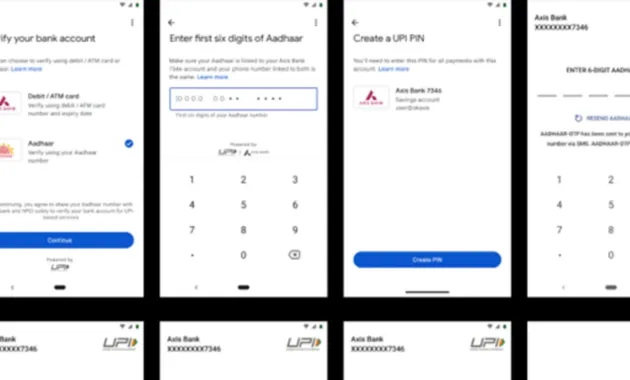
- Set up a PIN for ATM usage if you plan to use the card for cash advances.
For a detailed walkthrough, refer to our article on Getting Started: Activation and First Use. It covers common questions such as when the first statement is generated and how to verify your reward points.
Tip: Set Up Autopay Early
Enrolling in autopay can safeguard you against missed payments and late fees. Our guide on how to set up autopay for your credit card in minutes walks you through the process in just a few clicks.
Managing Your Card Responsibly

Responsible usage not only protects your credit score but also maximizes the cash‑back benefits. Here are three core habits to adopt:
- Monitor Your Spending: Use the Chase mobile app to track purchases in real time. Set alerts for category limits to avoid overspending.
- Pay Your Balance in Full: Even though the APR is competitive, paying the full balance each month eliminates interest and preserves your credit utilization ratio.
- Stay Informed About Fraud: Regularly review transaction history for unfamiliar charges. For more on protecting yourself, read Understanding Credit Card Fraud.
Tip: Update Your Contact Information Promptly
Keeping your mailing address and phone number current ensures you receive important notices, replacement cards, and reward statements without delay. A quick guide to this is available in our “Simple, Foolproof Way to Update Your Credit Card Contact Info” article.
Common Mistakes and How to Avoid Them

Even experienced cardholders can stumble into pitfalls that diminish the card’s value. Below are the most frequent errors and practical solutions.
Missing the Quarterly Category Deadline
If you forget to activate a new rotating category, you’ll lose the 5% cash‑back opportunity for that quarter. Set a recurring calendar reminder on the first day of each quarter to review the current categories on the Chase portal.
Carrying a Balance Without a Plan
Because the card’s APR can climb above 25%, carrying a balance can quickly erode the cash‑back you earn. If you anticipate needing time to pay off larger purchases, consider a balance‑transfer credit card with a 0% introductory APR instead.
Overlooking the $1,500 Cap on Rotating Categories
The 5% cash‑back on quarterly categories is capped at $1,500 in combined spend each quarter. Any amount beyond that reverts to the base 1% rate. To stay within the cap, track your spending and prioritize high‑value purchases early in the quarter.
When to Consider Closing or Upgrading
Life circumstances change, and your card lineup may need adjustment. If you decide the Freedom Flex no longer fits your financial goals, closing it correctly is essential to protect your credit score. Our article on how to close your credit card account permanently—and keep your credit intact explains the steps to follow, from paying off the balance to notifying Chase.
Alternatively, if you find yourself consistently spending more than the $1,500 quarterly limit and desire higher travel rewards, you might explore a premium travel card with a modest annual fee. Chase’s Sapphire Preferred or Sapphire Reserve are logical next steps for frequent travelers.
Whichever path you choose, maintaining a clear record of your rewards, payment history, and credit utilization will make transitions smoother.
Applying for the Chase Freedom Flex is more than just filling out a form; it’s the beginning of a financial routine that, when managed well, can deliver steady cash‑back, bolster your credit profile, and provide flexibility for everyday purchases. By following the steps outlined above, you’ll move from application to activation with confidence, and you’ll be equipped to make the most of every dollar you spend.