
Table of Contents
- Understanding the Flow of a Synchrony Bank Credit Card Payment
- 1. Authorization
- 2. Capture
- 3. Settlement
- 4. Posting
- Payment Methods and Options for Synchrony Cardholders
- Online Banking Portal
- Phone Payments
- Mail‑In Checks
- Third‑Party Payment Services
- Balance Transfer and Consolidation
- Common Issues and How to Resolve Them
- Payment Not Posting Immediately
- Declined Transactions
- Unexpected Fees
- Potential Fraud Alerts
- Security Features and Fraud Protection
- EMV Chip Technology
- Tokenization for Digital Payments
- Real‑Time Alerts
- Zero‑Liability Policy
- Two‑Factor Authentication (2FA)
- Tips for Managing Your Synchrony Credit Card Effectively
- Pay More Than the Minimum
- Leverage Promotional APRs
- Monitor Your Credit Utilization
- Consider Upgrading Your Card
- Set Up Automatic Payments
- Review Statements Regularly
- Take Advantage of Rewards Wisely
Synchrony Bank credit card payment processes are a core part of everyday financial life for millions of consumers. Whether you are paying for groceries, online shopping, or a subscription service, the way the payment moves from your card to the merchant influences both your convenience and your financial health. Understanding the mechanics behind these transactions, the options available, and the safeguards in place can empower you to use your Synchrony card with confidence.
In this article we will walk through the journey of a typical Synchrony Bank credit card payment, explore the various methods you can use to settle your balance, and address the most frequent issues cardholders encounter. By the end, you will have a clear roadmap for handling your Synchrony payments, minimizing fees, and protecting yourself from fraud.
We also integrate useful insights from related topics, such as the impact of foreign transaction fees and best practices for upgrading your credit card to a version that offers greater value. Let’s begin the story of a payment, from the moment you swipe your card to the final posting on your statement.
Understanding the Flow of a Synchrony Bank Credit Card Payment

A Synchrony Bank credit card payment follows a well‑defined sequence that involves several parties: the cardholder, the merchant, the acquiring bank, the card network (such as Visa or Mastercard), and Synchrony itself as the issuing bank. The process can be broken down into four key stages.
1. Authorization
- The transaction starts when you present your card—physically, virtually, or via a contactless tap.
- The merchant’s point‑of‑sale (POS) system sends an authorization request to the acquiring bank, which forwards it to the card network.
- The network routes the request to Synchrony Bank, which checks your available credit, validates the card details, and either approves or declines the purchase.
- Upon approval, an authorization code is sent back through the same path, allowing the merchant to complete the sale.
2. Capture
- After authorization, the merchant must “capture” the transaction, confirming the final amount.
- For most retail purchases, capture occurs automatically within seconds. For services or online orders, capture may happen later, especially if the final amount can change (e.g., tips, shipping).
3. Settlement
- The acquiring bank aggregates captured transactions and submits them to the card network for settlement.
- The network then transfers the funds to Synchrony Bank, which posts the amount to your account.
4. Posting
- Synchrony updates your account balance, reflecting the new charge. You will see the transaction on your monthly statement, along with any applicable fees or interest.
This flow ensures that the funds move securely and efficiently, while also providing a record for both the merchant and the cardholder.
Payment Methods and Options for Synchrony Cardholders
Synchrony Bank offers several ways to pay your credit card balance, each designed to suit different preferences and financial situations. Choosing the right method can affect the speed of posting, potential fees, and even your credit utilization ratio.
Online Banking Portal
The most common method is to log into the Synchrony online portal or mobile app. From there you can schedule one‑time payments, set up automatic recurring payments, and view transaction history. The portal also allows you to split payments across multiple accounts, a feature useful for budgeting.
Phone Payments
For those who prefer a human touch, Synchrony provides a toll‑free number where you can make a payment using a debit card or bank account. The representative can also answer questions about pending transactions or dispute a charge.
Mail‑In Checks
Although less popular, you can still mail a check to the address printed on your statement. Be sure to include your account number on the memo line to ensure proper crediting.
Third‑Party Payment Services
Services such as PayPal, Apple Pay, or Google Pay can be linked to your Synchrony card for direct payments at participating merchants. However, some of these platforms may treat the transaction as a cash advance, which can trigger higher interest rates and fees. Always verify the classification before proceeding.
Balance Transfer and Consolidation
If you have high‑interest balances on other cards, Synchrony offers balance transfer options that can lower your overall cost. The transferred amount appears as a new charge on your statement, often with a promotional APR. Be mindful of the transfer fee, which typically ranges from 3% to 5% of the amount moved.
When deciding how to pay, consider the foreign transaction fees that may apply if you are making payments from an overseas bank account. These fees can erode the savings you expect from a balance transfer or a low‑interest payment method.
Common Issues and How to Resolve Them

Even with a robust system, occasional hiccups can occur. Below are frequent problems faced by Synchrony cardholders and practical steps to address them.
Payment Not Posting Immediately
- Reason: Payments made through a third‑party service or via mail can take 2–5 business days to post.
- Solution: Verify the processing time displayed on the portal, and consider using the online banking portal for faster posting.
Declined Transactions
- Reason: Insufficient credit, an expired card, or a mismatch between the billing address and the one on file.
- Solution: Check your available credit in the online portal, update your card’s expiration date, and confirm that your billing address matches your bank records.
Unexpected Fees
- Reason: Late payment fees, cash‑advance fees, or foreign transaction fees.
- Solution: Set up automatic payments to avoid missing due dates, use your card only for purchases (not cash advances), and review the fee schedule on Synchrony’s website.
Potential Fraud Alerts
- Reason: Unusual spending patterns trigger security flags.
- Solution: Respond promptly to alerts via the portal or phone, and consider enabling transaction alerts via SMS or email.
For a deeper dive into protecting yourself from unauthorized activity, see our guide on understanding credit card fraud. It outlines steps to monitor your account, report suspicious behavior, and work with Synchrony’s fraud department.
Security Features and Fraud Protection
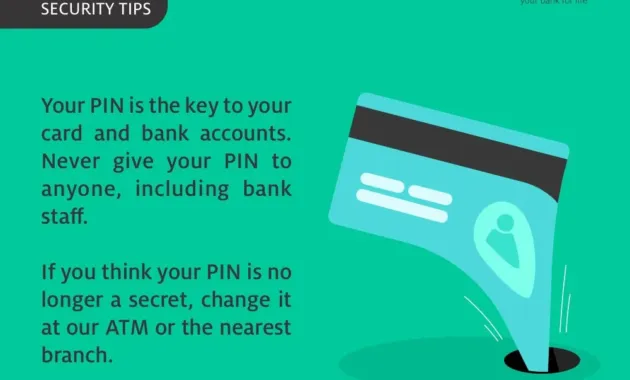
Synchrony Bank incorporates multiple layers of security to safeguard your payments. These measures not only protect you from fraud but also help maintain the integrity of the payment network.
EMV Chip Technology
All Synchrony credit cards are equipped with an EMV chip, which creates a unique transaction code for each purchase, making counterfeit cards virtually useless.
Tokenization for Digital Payments
When you add your Synchrony card to Apple Pay, Google Pay, or other digital wallets, the actual card number is replaced with a token. This token is meaningless to thieves, reducing the risk of data breaches.
Real‑Time Alerts
You can opt into instant notifications for any transaction over a set amount. These alerts give you immediate visibility and the ability to contest a charge before it clears.
Zero‑Liability Policy
Synchrony’s zero‑liability policy ensures that you are not held responsible for fraudulent charges, provided you report them promptly. This policy is standard across major issuers but is reinforced by the bank’s dedicated fraud team.
Two‑Factor Authentication (2FA)
When accessing your online account, Synchrony may require a one‑time passcode sent to your phone or email, adding an extra barrier against unauthorized logins.
Tips for Managing Your Synchrony Credit Card Effectively
Effective management goes beyond paying the minimum balance. It involves strategic use of the card’s features, understanding fee structures, and aligning payments with your broader financial goals.
Pay More Than the Minimum
Interest accrues on the unpaid balance. Paying down the principal faster reduces the interest you pay over time. Even a small additional amount each month can make a significant difference.
Leverage Promotional APRs
If you have a promotional 0% APR on purchases or balance transfers, use that window to pay down high‑interest debt. However, keep an eye on the expiration date to avoid sudden rate hikes.
Monitor Your Credit Utilization
Keeping your utilization below 30% of the credit limit is generally advised for maintaining a healthy credit score. Use the online portal to track your current balance relative to the limit.
Consider Upgrading Your Card
If your spending patterns qualify, you might benefit from a card with better rewards or lower fees. Our step‑by‑step guide to upgrading your credit card outlines the process and criteria to evaluate before making a switch.
Set Up Automatic Payments
Automation reduces the risk of missed payments and late fees. You can schedule the payment for the statement due date or an earlier “grace” date to ensure it posts on time.
Review Statements Regularly
Regularly checking your monthly statement helps catch errors early, whether they are merchant mischarges or unauthorized transactions.
Take Advantage of Rewards Wisely
If your Synchrony card offers cash back or points, align your spending with categories that maximize returns, but avoid overspending just to earn rewards.
By incorporating these practices into your routine, you can minimize costs, protect your financial health, and make the most of the benefits Synchrony Bank provides.
In summary, Synchrony Bank credit card payments are built on a secure, multi‑step process that ensures funds move safely from the cardholder to the merchant. Understanding each stage, choosing the right payment method, and staying vigilant against potential issues are essential steps toward effective card management. With the right tools and habits, you can navigate payments confidently, avoid unnecessary fees, and keep your credit profile strong.