Table of Contents
- How to Evaluate a Store Credit Card
- Rewards Rate and Structure
- Fees and Interest
- Redemption Flexibility
- Additional Perks
- Top 7 Store Credit Cards Worth Getting
- 1. Target RedCard™
- 2. Amazon Prime Rewards Visa Signature Card
- 3. Walmart Rewards Card
- 4. Costco Anywhere Visa® Business Card by Citi
- 5. Best Buy Credit Card
- 6. Apple Card
- 7. Kohl’s Rewards Card
- Maximizing the Value of Your Store Card
- Combine With a Primary Low‑Interest Card
- Pay in Full Every Month
- Leverage Exclusive Promotions
- Watch for Changes in Terms
- Use Purchase Protection Wisely
- When a Store Card Might Not Be Right for You
- Low Frequency of Shopping at the Retailer
- High Interest Rates and Carrying a Balance
- Limited Redemption Flexibility
- Potential Impact on Credit Score
- Step‑by‑Step Guide to Applying for a Store Card
- 1. Check Your Credit Score
- 2. Compare Card Offers
- 3. Gather Required Documentation
- 4. Submit the Application
- 5. Activate and Set Up Online Access
- 6. Review the Card’s Replacement Process
- 7. Set Up Automatic Payments
When it comes to everyday spending, a store credit card can turn ordinary purchases into valuable rewards. The keyword “store credit cards worth getting” appears in countless forums, but not every card lives up to the hype. In this article we walk through the most rewarding store cards, examine the features that set them apart, and outline the practical steps you need to take before you apply. By the end, you’ll have a clear picture of which cards can actually boost your purchasing power without hidden traps.
Store credit cards are often marketed with flashy slogans—“Earn up to 5% cash back!” or “Unlimited free shipping!”—but the fine print tells a different story. Some cards impose high annual fees, limited redemption options, or restrictive store‑only usage. Understanding these nuances helps you avoid costly mistakes and harness the real benefits: higher earnings on the places you already shop, exclusive discounts, and sometimes even enhanced purchase protection that rivals traditional credit cards.
Before diving into the specific cards, it’s useful to review the baseline criteria that make a store credit card truly worthwhile. Look for a combination of low (or no) annual fee, a competitive rewards rate on the retailer’s core categories, flexible redemption, and added perks such as price‑match guarantees or extended warranties. If a card checks most of these boxes, it’s likely a candidate for your wallet.
How to Evaluate a Store Credit Card

Choosing a store card is similar to picking any credit product, but the focus shifts to retailer‑specific benefits. Below are the key factors to weigh.
Rewards Rate and Structure
- Flat‑rate vs. tiered: Some cards give a flat percentage on every purchase (e.g., 3% cash back on all spend). Others reward higher percentages only on certain categories like groceries, apparel, or home goods.
- Bonus categories: Look for seasonal boosts that align with your shopping habits—double points during holiday sales, for example.
- Expiration of points: Points that vanish after a year can erode value quickly. Choose cards with long‑term or never‑expire rewards.
Fees and Interest
- Annual fee: Many store cards waive this fee, but premium versions may charge $50‑$100 for added perks. Calculate whether the rewards outweigh the cost.
- APR: If you carry a balance, a high purchase APR can negate any cashback earned. Look for cards with a competitive interest rate or promotional 0% periods.
Redemption Flexibility
- Cash back vs. store credit: Cash back can be deposited into a bank account, while store credit is usually limited to that retailer.
- Gift cards and merchandise: Some programs let you trade points for gift cards from other merchants, expanding usefulness.
- Travel or statement credits: A few store cards partner with travel portals, allowing you to convert points into airline miles or hotel stays.
Additional Perks
- Purchase protection: Certain cards automatically extend warranties or provide insurance for damaged goods. For a deeper dive on how purchase protection works, see Unlock Hidden Safety: How Credit Cards with Purchase Protection Can Save Your Wallet.
- Free shipping and returns: Many store cards waive shipping fees and offer hassle‑free returns, a convenience worth noting.
- Early access to sales: Cardmembers often receive exclusive invitations to preview sales or limited‑edition product launches.
Top 7 Store Credit Cards Worth Getting
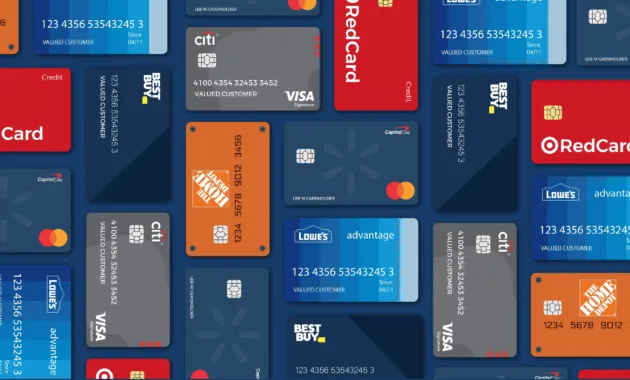
The following list reflects a balance of rewards potential, fee structure, and real‑world usability. Each card is described in terms of its core benefits, potential drawbacks, and the type of shopper who will get the most out of it.
1. Target RedCard™
Target’s RedCard offers a straightforward 5% discount on every purchase made at Target stores or on Target.com. There is no annual fee, and the card doubles as a debit option if you link it to a checking account.
- Who benefits: Frequent Target shoppers who already spend $200‑$300 per month at the retailer.
- Key perk: Unlimited free two‑day shipping on eligible items, which rivals many premium online memberships.
- Consideration: The discount applies only to Target purchases; using the card elsewhere yields no reward.
2. Amazon Prime Rewards Visa Signature Card
Available only to Amazon Prime members, this Visa offers 5% back on Amazon.com purchases, 2% at restaurants, gas stations, and drugstores, and 1% on all other spend.
- Who benefits: Prime members who regularly buy books, electronics, and household items on Amazon.
- Key perk: No foreign transaction fees, making it a solid travel companion for overseas Amazon purchases.
- Consideration: The 5% reward is capped at $150 in purchases per quarter; beyond that, you revert to 1%.
3. Walmart Rewards Card
Walmart’s card provides 5% back on Walmart.com purchases, 2% on in‑store grocery and fuel, and 1% on everything else. There’s also a bonus for using the card on Walmart’s fuel stations.
- Who benefits: Shoppers who split their spend between groceries, gas, and general merchandise.
- Key perk: Automatic enrollment in Walmart’s price‑match guarantee when you use the card.
- Consideration: The 5% rate only applies to online orders, which may not suit those who prefer in‑store shopping.
4. Costco Anywhere Visa® Business Card by Citi
While technically a business card, it’s widely used for personal purchases. It delivers 4% cash back on eligible gas (up to $7,000 per year), 3% on restaurants and travel, 2% on Costco purchases, and 1% on everything else.
- Who benefits: Drivers and frequent travelers who also shop at Costco for bulk items.
- Key perk: No annual fee for Costco members, and the card’s cash back is redeemable as a Costco cash reward.
- Consideration: You must be a Costco member to apply, and the gas reward has a yearly cap.
5. Best Buy Credit Card
Best Buy’s store card offers 5% back on Best Buy purchases for the first year, then 2% thereafter. Cardholders also receive exclusive financing offers for large electronics purchases.
- Who benefits: Tech enthusiasts who regularly upgrade laptops, phones, or home entertainment systems.
- Key perk: Access to special sales events like “Member‑Only Deals” and extended warranty coverage.
- Consideration: The card has a relatively high APR; it’s best used only if you can pay the balance in full each month.
6. Apple Card
Apple’s credit card, issued by Goldman Sachs, provides 3% cash back on Apple purchases (including the App Store and Apple services), 2% on any purchase made with Apple Pay, and 1% on everything else. It integrates seamlessly with the iPhone’s Wallet app for real‑time tracking.
- Who benefits: Users deeply embedded in the Apple ecosystem who regularly buy hardware or services.
- Key perk: No fees of any kind—no annual, late, or foreign transaction fees.
- Consideration: To earn the 3% rate, you must pay with the physical Apple Card or Apple Pay; using the card number directly yields only 1%.
7. Kohl’s Rewards Card
Kohl’s offers a simple 5% discount on every purchase, plus the ability to earn Kohl’s Cash (a redeemable credit) during promotional periods. The card has no annual fee and can be used both in‑store and online.
- Who benefits: Families who shop for clothing, toys, and home goods at Kohl’s.
- Key perk: Frequent “Kohl’s Cash” events that effectively double the discount for limited times.
- Consideration: The card does not provide cash back; rewards are only redeemable at Kohl’s.
Maximizing the Value of Your Store Card

Owning a store credit card is only half the equation. The true value emerges when you align the card’s rewards with your regular spending patterns and employ strategies that keep costs low.
Combine With a Primary Low‑Interest Card
Use your store card exclusively for purchases at its affiliated retailer to capture the highest rewards, while directing all other expenses to a low‑interest, high‑cash‑back card. This dual‑card approach prevents you from missing out on broader categories and keeps your overall APR manageable.
Pay in Full Every Month
Interest charges can quickly erode any benefit. If you’re unable to clear the balance, consider whether the store card’s rewards justify the extra cost. For many shoppers, paying the balance in full is the simplest way to preserve value.
Leverage Exclusive Promotions
Retailers frequently run “double points” or “extra cash back” events during holidays or clearance sales. Sign up for the retailer’s email newsletters, and enable push notifications on the card’s mobile app to stay informed. Missing these limited‑time boosts can mean leaving free money on the table.
Watch for Changes in Terms
Store cards can alter rewards rates or introduce new fees with little notice. Regularly review the card’s terms—especially the annual fee schedule and any adjustments to the points expiration policy. If a change diminishes the card’s value, it may be time to close the account.
Use Purchase Protection Wisely
Many store cards automatically extend the manufacturer’s warranty or provide insurance against damage or theft for a limited period. When buying high‑value items such as appliances or electronics, confirm that the protection is in place. If you need additional coverage, you can often file a claim directly through the card’s online portal.
When a Store Card Might Not Be Right for You

Even the best store cards have scenarios where they’re less advantageous. Below are common situations where you might want to skip the store card and stick with a general‑purpose credit card.
Low Frequency of Shopping at the Retailer
If you visit the store less than once a month, the cumulative rewards may never offset the effort of managing another account.
High Interest Rates and Carrying a Balance
Store cards often feature higher APRs compared to mainstream cards. If you anticipate carrying a balance, a lower‑interest card will save more money than any rewards earned.
Limited Redemption Flexibility
Cards that only allow store credit can be restrictive if you prefer cash back or travel rewards. In such cases, a universal rewards card may provide greater flexibility.
Potential Impact on Credit Score
Opening a new credit line can temporarily lower your credit score due to the hard inquiry and reduced average age of accounts. If you’re planning a major loan (mortgage, auto), it might be prudent to delay new applications.
Step‑by‑Step Guide to Applying for a Store Card
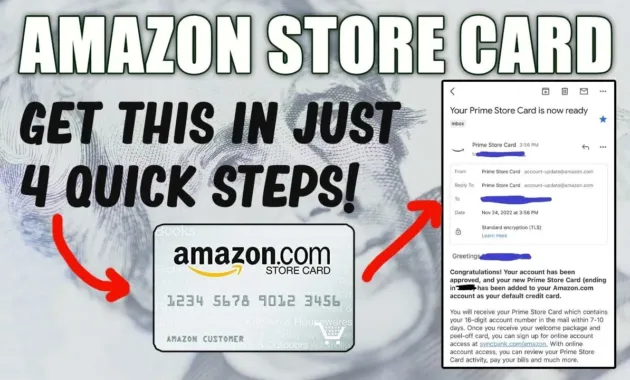
Applying for a store credit card is generally straightforward, but following a systematic process can improve approval odds and ensure you select the best option.
1. Check Your Credit Score
Most retailers require at least a fair credit rating (typically a FICO score of 620 or higher). If your score falls short, consider building credit with a secured card before applying.
2. Compare Card Offers
Use comparison tools to evaluate annual fees, APR, rewards rate, and any introductory bonuses. Keep an eye on hidden costs such as cash‑advance fees.
3. Gather Required Documentation
You’ll need personal identification, social security number, income verification, and possibly proof of residence. Having these ready speeds up the online application.
4. Submit the Application
Fill out the online form on the retailer’s website, double‑checking all fields for accuracy. A quick verification process usually yields an instant decision.
5. Activate and Set Up Online Access
Once approved, follow the activation instructions, and enroll in mobile or web banking to monitor transactions and manage rewards.
6. Review the Card’s Replacement Process
In case of loss or damage, know how to request a new card. For a concise guide, see How to Request a Credit Card Replacement Without Hassle – The Complete Guide.
7. Set Up Automatic Payments
To avoid late fees and preserve your credit score, schedule at least the minimum payment to be deducted automatically each month.
By following these steps, you can integrate a store credit card into your financial toolkit without disrupting your existing budgeting system.
Store credit cards can be powerful allies in a savvy shopper’s arsenal, delivering meaningful discounts, cash back, and exclusive perks when used strategically. The key lies in matching the card’s strengths to your spending habits, staying vigilant about fees, and leveraging promotional periods to maximize earnings. With the seven cards highlighted above, you have a solid starting point for building a reward‑rich portfolio that aligns with everyday purchases.