Table of Contents
- Understanding Late Fees and Their Impact
- Common Reasons Late Fees Are Charged
- Missed Payment Date
- Payment Processing Delays
- Partial Payments
- System Errors
- Step‑by‑Step Guide to Removing a Late Fee
- 1. Review Your Account Activity
- 2. Check the Issuer’s Policy
- 3. Choose the Right Communication Channel
- 4. Craft a Polite, Concise Request
- 5. Leverage Your Credit History
- 6. Ask for a Penalty APR Reversal (If Applicable)
- 7. Document the Interaction
- 8. Follow Up If Necessary
- When to Escalate: Using Consumer Rights and Regulatory Support
- Preventing Future Late Fees
- Set Up Automatic Payments
- Use Payment Reminders
- Choose the Right Billing Cycle
- Monitor Statements Regularly
- Maintain a Buffer in Your Checking Account
- Stay Informed About Fees
- Consider a Different Card if Fees Persist
Late fees on credit cards can feel like an unexpected sting, especially when you’re already juggling multiple financial responsibilities. The phrase “how to remove late fee from credit card” often appears in online searches as consumers look for quick relief. While the process may vary slightly between issuers, the core strategies are surprisingly consistent. Understanding the mechanics behind late fees and the rights you have as a cardholder equips you with the confidence to negotiate effectively.
This article walks you through the entire journey—from recognizing why the fee was charged, to crafting a persuasive request, and finally implementing safeguards that keep your account fee‑free. By following the steps outlined, you’ll be able to approach your issuer with a clear plan, increase the likelihood of a fee reversal, and maintain a healthier credit profile.
Understanding Late Fees and Their Impact
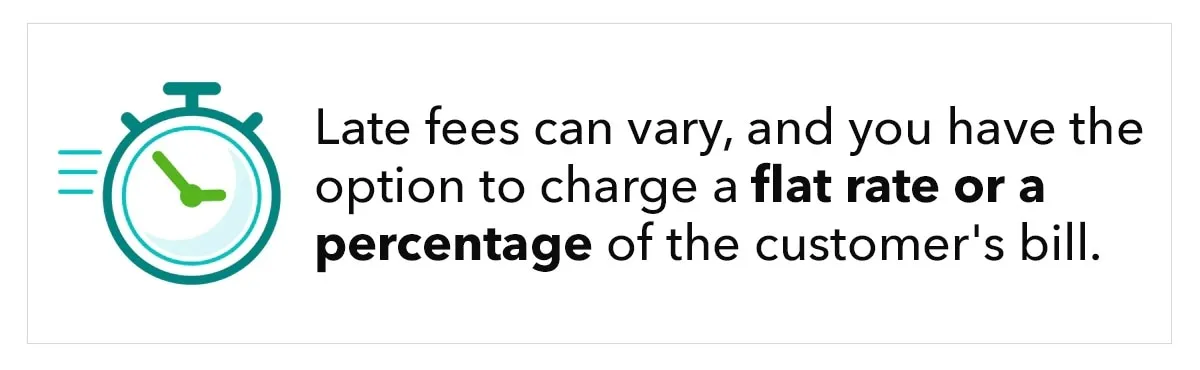
A late fee is a penalty assessed by the credit card issuer when a payment is not received by the due date specified on your statement. Typically, the fee ranges from $25 to $40, though some premium cards may charge higher amounts. Beyond the immediate cost, late fees can trigger a cascade of negative effects:
- Credit score dip: Even a single late payment can lower your FICO score, especially if the issuer reports the delinquency to credit bureaus.
- Higher interest rates: Many issuers apply a penalty APR after a missed payment, which can dramatically increase the cost of carrying a balance.
- Reduced rewards: Some reward programs suspend point accrual until the account is brought current.
Because of these consequences, many cardholders treat a late fee as more than a minor inconvenience—it becomes a catalyst for broader financial strain.
Common Reasons Late Fees Are Charged
Missed Payment Date
The most straightforward reason is simply missing the payment deadline. If your due date falls on a weekend or holiday, some issuers still count the calendar day, not the next business day, as the cutoff.
Payment Processing Delays
Even if you initiated a payment on time, processing delays—especially with electronic transfers or third‑party services—can cause the payment to post after the due date, resulting in a fee.
Partial Payments
Paying less than the minimum required amount is sometimes interpreted as a missed payment, prompting a late fee and possibly a penalty APR.
System Errors
Occasionally, technical glitches on the issuer’s end can misrecord a payment, leading to an erroneous fee. While rare, it does happen and can be resolved with a quick call.
Step‑by‑Step Guide to Removing a Late Fee

1. Review Your Account Activity
Before contacting the issuer, pull up your recent statements and transaction history. Verify the exact date you submitted the payment, the method used (online, phone, mail), and the timestamp if available. Having this information at hand demonstrates that you’ve done your homework and strengthens your case.
2. Check the Issuer’s Policy
Most credit card agreements include a clause about fee waivers for first‑time offenders or for customers with a solid payment history. Look for language such as “good‑will waiver” or “first‑time late fee removal.” Knowing the policy lets you reference it directly during the conversation.
3. Choose the Right Communication Channel
While many customers start with the phone, consider using the secure messaging portal in your online banking account. Written communication provides a documented trail, which can be useful if the issue escalates. If you prefer speaking, call the customer‑service number on the back of your card and ask to be transferred to the “retention” or “fee‑waiver” department.
4. Craft a Polite, Concise Request
Begin with a friendly greeting, state your account number (or the last four digits for security), and acknowledge the late fee. Then, briefly explain the reason—whether it was a processing delay, an oversight, or a system error. Emphasize your long‑standing relationship with the issuer and your commitment to timely payments moving forward. A sample script might be:
“Hello, I’m a loyal customer of XYZ Bank for the past three years. I noticed a $35 late fee on my recent statement. I made a payment on the 3rd, but it didn’t post until the 5th due to a processing delay. Could you please consider waiving the fee as a goodwill gesture?”
5. Leverage Your Credit History
If you have a track record of on‑time payments, mention it. Issuers are more inclined to accommodate customers who pose low risk. You can say, “I have maintained a zero‑balance and paid on time for the last 12 months.” This reinforces your credibility.
6. Ask for a Penalty APR Reversal (If Applicable)
Sometimes the late fee comes paired with a higher interest rate. If that’s the case, request that the penalty APR be removed as well. Phrase it as a separate ask: “In addition to the fee, I see my APR has increased. Could that also be reverted?”
7. Document the Interaction
After the call or message, note the representative’s name, the time of the conversation, and any reference numbers provided. If the fee is removed, ask for confirmation in writing—an email or a message in the portal—to keep for your records.
8. Follow Up If Necessary
If the fee isn’t reversed within the promised timeframe (usually 5‑7 business days), follow up politely. Reference your earlier conversation and ask for an update. Persistence, without aggression, often yields results.
When to Escalate: Using Consumer Rights and Regulatory Support
If the front‑line representative refuses to waive the fee despite a valid reason, you have options to escalate the matter:
- Request to speak with a supervisor: Supervisors have greater authority to grant waivers.
- Submit a written complaint: Use the issuer’s formal complaint form, detailing the issue and attaching supporting documents.
- Contact the Consumer Financial Protection Bureau (CFPB): Filing a complaint with the CFPB can prompt the issuer to resolve the dispute promptly.
- Refer to state law: Some states limit the amount or frequency of late fees. Citing these statutes can strengthen your position.
These steps are rarely needed, but knowing they exist empowers you to stand firm when necessary.
Preventing Future Late Fees
Set Up Automatic Payments
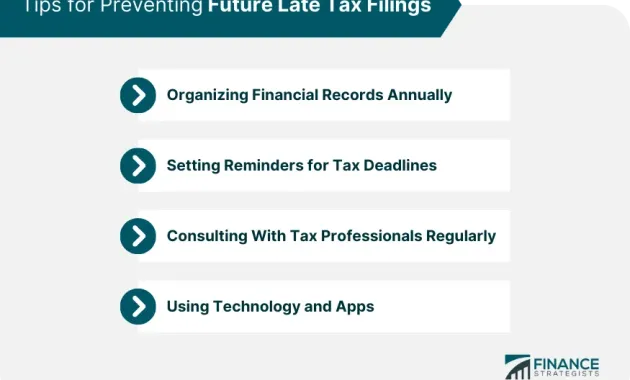
Link your checking account to the credit card and schedule automatic minimum‑payment or full‑balance transfers a few days before the due date. This eliminates human error and guarantees on‑time posting.
Use Payment Reminders
Most banking apps allow you to set custom alerts. Choose a reminder 3‑5 days before the due date, and another on the day of the payment. You can also use calendar apps with recurring notifications.
Choose the Right Billing Cycle
If your current due date consistently clashes with payday or other financial obligations, contact the issuer to request a billing cycle change. Aligning the due date with your cash‑flow reduces the chance of missed payments.
Monitor Statements Regularly
Log in to your online account weekly to verify that payments are posted and that no unexpected fees appear. Early detection makes it easier to address issues before they affect your credit.
Maintain a Buffer in Your Checking Account
Keeping a modest cushion—say $100—in the account used for credit‑card payments ensures that accidental overdrafts or pending transactions won’t delay a scheduled payment.
Stay Informed About Fees
Review your cardholder agreement annually. Issuers sometimes change fee structures, and being aware of these adjustments can help you avoid surprises. For a broader perspective on managing card costs, you might also read how to lower credit card interest rates fast – proven steps that actually work, which discusses strategies that complement fee‑avoidance tactics.
Consider a Different Card if Fees Persist
If your issuer consistently charges fees despite your best efforts, it may be time to explore alternatives. The Ultimate 2026 Credit Card Playbook offers a comparative analysis of cards with low or no late‑fee policies, helping you select an option that aligns with your financial habits.
By implementing these preventive measures, you not only dodge late fees but also reinforce responsible credit behavior, which benefits your credit score and overall financial health.
Removing a late fee is often a straightforward process when you approach it methodically. Start by confirming the payment details, reference the issuer’s own policies, and communicate courteously yet firmly. If the first attempt doesn’t succeed, know that escalation routes exist, and consumer protection agencies are there to help. Finally, adopt proactive habits—automation, reminders, and regular account reviews—to keep your credit card experience smooth and fee‑free.