Table of Contents
- How APR Is Calculated and What It Represents
- Components of APR
- Types of APRs on a Single Card
- Benchmarking a “Good” APR
- Impact of the Prime Rate
- Fixed vs. Variable APR
- Factors That Influence the APR You Receive
- Credit Score and Credit History
- Debt‑to‑Income Ratio (DTI)
- Existing Relationship with the Issuer
- Promotional Offers and Introductory Periods
- Practical Steps to Secure a Good APR
- 1. Check Your Credit Score Regularly
- 2. Compare Multiple Offers
- 3. Negotiate with the Issuer
- 4. Consider a Secured Card to Build Credit
- 5. Pay the Balance in Full Whenever Possible
- 6. Evaluate the Total Cost, Not Just APR
- Case Study: Applying the Benchmarks
- When a Higher APR Might Still Be Worth It
- Monitoring Your APR Over Time
- Steps to Stay Informed
When you first glance at a credit card offer, the Annual Percentage Rate (APR) often appears as a single, intimidating number. Understanding that figure is the first step toward choosing a card that won’t drain your wallet. A good APR is not a one‑size‑fits‑all value; it depends on your credit profile, the type of card, and how you intend to use it. This article walks through the mechanics of APR, benchmarks for what is considered “good,” and actionable tips to secure the lowest possible rate.
In the United States, APRs on credit cards can range from under 10 % for highly qualified borrowers to over 30 % for those with limited credit history. By breaking down the components that influence these rates, you can better assess whether a particular offer aligns with your financial goals. Whether you are a seasoned cardholder or a newcomer looking to build credit, the concepts presented here will help you read the fine print with confidence.
How APR Is Calculated and What It Represents
APR is more than just the interest you pay on a balance; it is a standardized measure that includes the nominal interest rate, fees, and other costs associated with borrowing. The Federal Truth in Lending Act requires lenders to disclose APR so consumers can compare offers on an equal footing.
Components of APR
- Nominal interest rate: The base rate applied to your outstanding balance.
- Fees: Annual fees, balance transfer fees, and cash‑advance fees are factored into the APR calculation.
- Compounding frequency: Most credit cards compound daily, which can slightly increase the effective cost.
The resulting APR is expressed as an annualized percentage, even though most cardholders pay interest on a monthly basis. For example, a 15 % APR translates to roughly 1.25 % interest per month before compounding.
Types of APRs on a Single Card
- Purchase APR: The rate applied to everyday spending.
- Balance‑transfer APR: Usually higher or lower than the purchase APR, often accompanied by a promotional period.
- Cash‑advance APR: Typically the highest rate on a card, reflecting the added risk of cash withdrawals.
- Penalty APR: May be triggered by late payments or exceeding your credit limit.
When evaluating a card, focus primarily on the purchase APR if you plan to carry a balance from regular spending. However, if you anticipate balance transfers or occasional cash advances, those specific APRs deserve equal scrutiny.
Benchmarking a “Good” APR
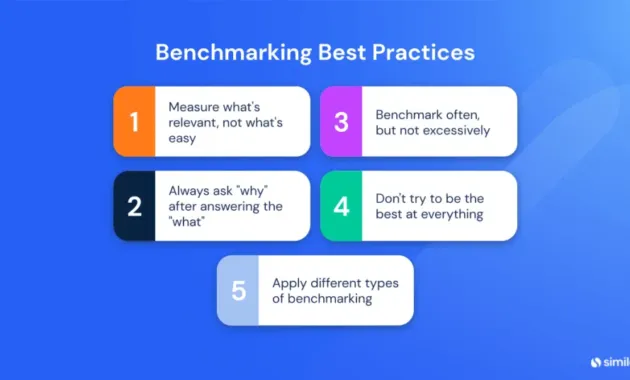
The definition of a good APR changes over time as market conditions shift. Historically, a purchase APR below 12 % has been viewed as favorable for borrowers with excellent credit (FICO scores 720 and above). For those with good credit (680–719), an APR in the 13 %–16 % range is considered competitive. Subprime borrowers (below 620) often encounter APRs above 20 %.
To put these numbers into perspective, consider the average credit card APR reported by the Federal Reserve in recent years: roughly 16 % for all cards, and about 14 % for cards offered to consumers with good credit. Anything substantially below these averages can be classified as a “good” rate, provided the card’s other terms align with your needs.
Impact of the Prime Rate
Most variable‑rate credit cards tie their APR to the prime rate, which is set by major banks and fluctuates with Federal Reserve policy. When the prime rate rises, so does your APR, typically by a fixed margin (e.g., prime + 5 %). Monitoring the prime rate gives you a sense of where future APR adjustments may head.
Fixed vs. Variable APR
Fixed APR cards promise a set rate for the life of the account, though they may still adjust under specific circumstances (such as a penalty). Variable APR cards can change more frequently, reflecting market rates. A good fixed APR is often slightly higher than the lowest variable rates available at the time of issuance, but it offers predictability.
Factors That Influence the APR You Receive
Lenders assess several risk factors before assigning an APR. Understanding these variables helps you position yourself for a better rate.
Credit Score and Credit History
The most influential factor is your credit score. Higher scores signal lower risk, prompting issuers to extend lower APRs. In addition to the numeric score, the length of credit history, recent inquiries, and the mix of credit types affect the final rate.
Debt‑to‑Income Ratio (DTI)
Even with a solid credit score, a high DTI can signal that you may struggle to manage additional credit, leading issuers to increase the APR. Keeping your DTI below 30 % is generally advisable.
Existing Relationship with the Issuer
Loyal customers or those who hold multiple products (e.g., checking accounts, mortgages) with the same bank may qualify for promotional or reduced APRs. This is often highlighted in articles such as The Hidden Mechanics of Your Plastic: How a Credit Card Really Works, which explains how issuers assess overall relationship value.
Promotional Offers and Introductory Periods
Many cards feature 0 % introductory APRs for purchases or balance transfers lasting 6–18 months. While attractive, the post‑introductory APR can jump substantially. Evaluate the standard APR that applies after the promo ends to determine the card’s long‑term cost.
Practical Steps to Secure a Good APR

Finding a good APR is a process that blends research, timing, and personal financial hygiene. Below are concrete actions you can take.
1. Check Your Credit Score Regularly
Free credit monitoring tools, such as Credit Karma, allow you to track your score without impacting it. Knowing your current standing lets you target cards that match your credit tier.
2. Compare Multiple Offers
Use comparison sites to line up purchase APRs, annual fees, and reward structures side by side. For instance, if you drive a lot, a gas station credit card review may reveal a card with a modest APR but generous fuel rebates, effectively lowering your overall cost.
3. Negotiate with the Issuer
When you already hold a card with a particular bank, calling customer service and requesting a lower APR can be effective, especially if you have a solid payment record. Many issuers will match competitor rates to retain you as a customer.
4. Consider a Secured Card to Build Credit
If your credit is thin, a secured credit card—backed by a cash deposit—can help you establish a positive payment history. Over time, you may qualify for unsecured cards with lower APRs.
5. Pay the Balance in Full Whenever Possible
The simplest way to avoid APR costs is to pay off the statement balance each month. Even a “good” APR can become costly if you habitually carry a large balance.
6. Evaluate the Total Cost, Not Just APR
Annual fees, foreign transaction fees, and reward redemption structures all affect the net cost of a card. A card with a 13 % APR and a $95 annual fee may be more expensive than a 15 % APR card with no fee if you don’t maximize rewards.
Case Study: Applying the Benchmarks
Maria, a 32‑year‑old software engineer with a FICO score of 735, reviewed three credit cards:
- Card A: 12.99 % purchase APR, $0 annual fee, 1.5 % cash back on all purchases.
- Card B: 15.49 % purchase APR, $95 annual fee, 2 % cash back on groceries and gas.
- Card C: 0 % introductory APR for 12 months, then 19.99 % thereafter, $0 annual fee, 1 % cash back.
Using her average monthly spend of $2,500, Maria calculated the effective annual cost for each scenario, factoring in cash‑back rewards. Card A’s lower APR combined with cash back resulted in a net cost of approximately $140 per year. Card B’s higher APR was offset by higher grocery and gas rewards, bringing its net cost to $165. Card C looked attractive initially, but after the promo period, the high ongoing APR would increase the net cost to $250. Based on these calculations, Card A represented the most financially sensible choice for her profile.
This example demonstrates how a “good” APR must be weighed against other card features to determine true value.
When a Higher APR Might Still Be Worth It
Not all high‑APR cards are bad deals. Premium cards often carry APRs above the market average but compensate with extensive travel benefits, elite status upgrades, and robust insurance protections. For frequent travelers, the monetary value of lounge access, airline fee credits, and travel insurance can outweigh the additional interest cost, especially if the user pays the balance in full each month.
Articles such as The Ultimate Guide to the Best Premium Metal Credit Cards delve into how these perks are quantified, helping consumers decide whether the higher APR is justified.
Monitoring Your APR Over Time
![Average Credit Card Interest Rates & APR - Stats [2024]](https://blog.avaller.com/wp-content/uploads/2026/01/average-credit-card-interest-rates-apr-stats-2024-630x380.webp)
Even after securing a favorable rate, it’s wise to keep an eye on your APR. Credit card issuers may adjust rates due to changes in the prime rate, your credit score fluctuations, or breaches of the card’s terms. Most issuers are required to notify you at least 45 days before a rate increase.
Steps to Stay Informed
- Set up alerts for any changes to your account terms.
- Review your monthly statement for APR updates.
- Periodically re‑evaluate whether the card still aligns with your financial goals.
If you notice a significant increase, consider transferring the balance to a card with a lower rate, keeping in mind balance‑transfer fees and the length of any promotional periods.
In summary, a good APR for a credit card is a dynamic metric that hinges on your credit standing, market conditions, and the card’s overall cost structure. By understanding how APR is calculated, benchmarking rates against industry averages, and applying disciplined financial habits, you can secure a credit card that supports your spending while minimizing interest expenses. The effort of research and periodic review pays off in lower costs, more flexible credit access, and the confidence that your plastic truly works for you, not against you.